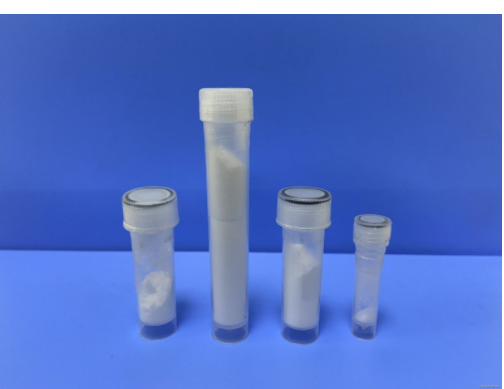
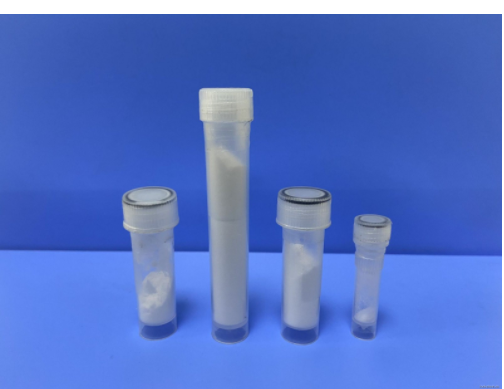
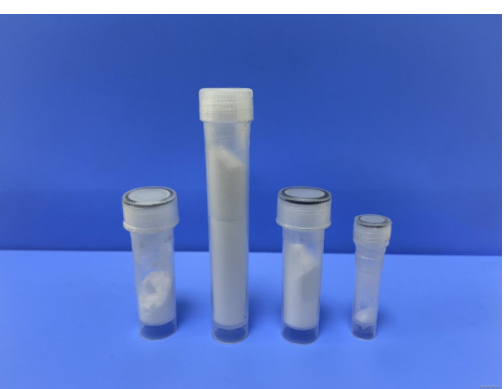
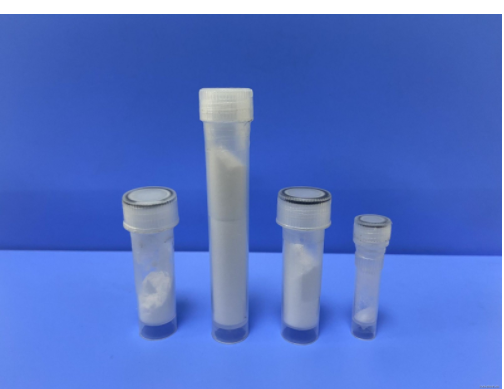
Product Description
Hangzhou Go Top Peptide Biotech Co., Ltd. is a national high-tech enterprise specializing in the research and development and production of peptides and related derivatives. It provides peptide-related custom synthesis and technology for domestic and foreign medical research and development, biotechnology, universities and scientific research institutions service. For consultation or ordering, please contact:86-571-88211951, 86-13588827304 (Cindy Mei), sales80@gotopbio.com
AI Product Description
*The following content is generated by AI and is for reference only.
Fmoc-D-Ala-Wang resin is a specialized solid-phase synthesis support widely utilized in the field of peptide chemistry for the efficient assembly of D-amino acid-containing sequences. This reagent consists of Wang resin, a polystyrene-based matrix functionalized with a hydroxyl group, coupled to Fmoc-protected L-alanine in its D-enantiomeric form. The molecular formula of the active loading moiety is typically represented as C₁₄H₁₈NO₂⁻ (attached to the resin backbone), though the exact composition varies slightly depending on the specific resin cross-linking density and loading capacity, which usually ranges from 0.5 to 1.2 mmol/g. While a single universal CAS number does not exist for all batches due to variations in resin manufacturing, the core chemical component often relates to CAS numbers associated with Fmoc-D-Alanine or Wang resin derivatives, such as 64983-78-6 for Fmoc-D-Ala-OH.
The primary utility of this material lies in its role as a building block for automated peptide synthesizers. It facilitates the stepwise addition of amino acids using standard Fmoc/t-Bu protection strategies. The Wang linker offers distinct advantages by allowing the final cleavage of the synthesized peptide under mild acidic conditions, typically utilizing trifluoroacetic acid (TFA) with scavengers like water or triisopropylsilane. This process releases the peptide with a free C-terminal carboxylic acid group, preserving sensitive side-chain protecting groups if necessary.
Researchers frequently employ Fmoc-D-Ala-Wang resin when constructing peptides requiring stereochemical inversion at the N-terminal position to enhance metabolic stability against proteolytic degradation. This is particularly crucial in the development of therapeutic agents, including antimicrobial peptides and hormone analogs, where the incorporation of D-amino acids can significantly prolong half-life without compromising biological activity. Furthermore, its compatibility with various coupling reagents ensures high yields and purity. By serving as a robust anchor, it simplifies purification protocols and enables the rapid generation of complex peptidomimetics for drug discovery and academic research applications.






 (All Rights Reserved)