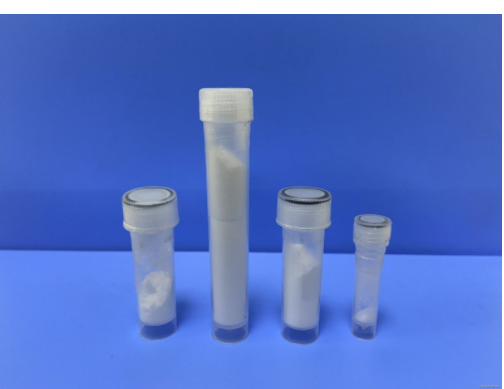
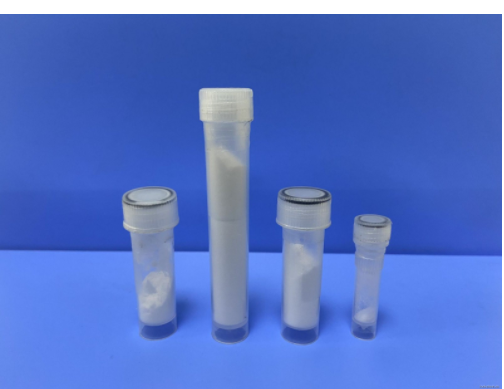
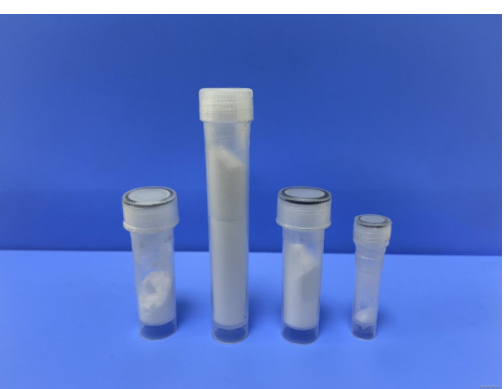
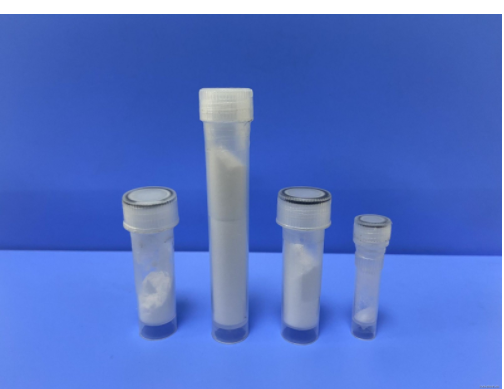
Product Description
Hangzhou Go Top Peptide Biotech Co., Ltd. is a national high-tech enterprise specializing in the research and development and production of peptides and related derivatives. It provides peptide-related custom synthesis and technology for domestic and foreign medical research and development, biotechnology, universities and scientific research institutions service. For consultation or ordering, please contact:86-571-88211951, 86-13588827304 (Cindy Mei), sales20@gotopbio.com
AI Product Description
*The following content is generated by AI and is for reference only.
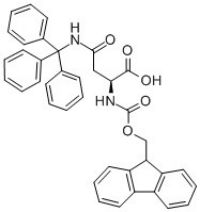
Fmoc-Asn(Trt)-OH is a specialized protected amino acid derivative widely utilized in solid-phase peptide synthesis (SPPS). Its chemical identity is defined by the molecular formula C27H26N2O6 and the CAS number 153890-84-6. This compound serves as a crucial building block for constructing complex peptides, particularly those containing asparagine residues that require specific protection strategies to prevent side reactions during automated or manual synthesis protocols.
The molecule features two distinct protecting groups: the fluorenylmethyloxycarbonyl (Fmoc) group attached to the alpha-amino functionality and the trityl (Trt) group shielding the side-chain amide nitrogen of the asparagine residue. The Fmoc group offers base-labile stability, allowing removal under mild conditions using secondary amines like piperidine, which preserves other acid-sensitive moieties within the growing peptide chain. Conversely, the trityl group provides robust acid-labile protection for the asparagine side chain, effectively preventing the formation of succinimide derivatives, a common degradation pathway for unprotected asparagine under acidic conditions used during final cleavage from the resin.
This dual-protection strategy makes Fmoc-Asn(Trt)-OH indispensable for synthesizing biologically active peptides where asparagine integrity is paramount. It is extensively employed in pharmaceutical research, drug discovery campaigns, and academic laboratories to produce therapeutic candidates, vaccine antigens, and diagnostic markers. The reagent ensures high purity and yield by minimizing racemization and unwanted cyclization events. Researchers typically dissolve this powder in dimethylformamide (DMF) or dichloromethane (DCM) before coupling it to the resin-bound peptide chain using standard carbodiimide or phosphonium/uronium coupling agents. Due to its stability and reliability, it remains a staple reagent in modern peptide chemistry, facilitating the efficient assembly of sequences that would otherwise be prone to structural complications. Its application spans from small-scale academic investigations to large-scale industrial production of peptide-based therapeutics, underscoring its vital role in advancing biomedical science and molecular biology.





 (All Rights Reserved)