Product Description
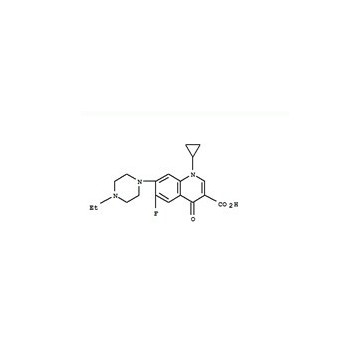
分子式:
C19H22FN3O3
分子量:
359.40
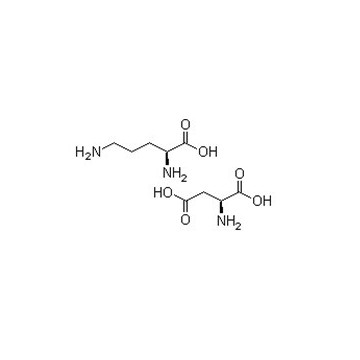
M.F:C5H12N2O2.C4H7NO4
L-ornithine-L-aspartate is useful in the treatment of high ammonia levels or when a patient’s liver function is extremely poor. L-O-L-A is very effective for end-stage cirrhotic patients.
AI Product Description
*The following content is generated by AI and is for reference only.
Enrofloxacin is a broad-spectrum fluoroquinolone antibiotic widely utilized in veterinary medicine to treat bacterial infections across various animal species. Chemically, it is identified by the CAS number 93106-60-6 and possesses the molecular formula C₁₉H₂₂FN₃O₃. Its structure features a quinolone core substituted with a fluorine atom at position 6 and an ethylpiperazine group at position 7, which significantly enhances its antibacterial potency compared to earlier generations of quinolones. This compound functions primarily by inhibiting bacterial DNA gyrase and topoisomerase IV, essential enzymes required for DNA replication, transcription, repair, and recombination. By disrupting these processes, enrofloxacin effectively halts bacterial growth, acting as a bactericidal agent against both Gram-positive and Gram-negative organisms.
The primary clinical applications of enrofloxacin include the treatment of respiratory tract infections, urinary tract infections, skin and soft tissue infections, and gastrointestinal disorders in livestock, poultry, fish, and companion animals such as dogs and cats. It is particularly effective against pathogens like *Escherichia coli*, *Salmonella* spp., *Pasteurella multocida*, and *Mycoplasma* species. Due to its excellent tissue penetration and high bioavailability following oral administration, it is available in various formulations including tablets, injectables, and water-soluble powders. However, its use is strictly regulated globally due to concerns regarding antimicrobial resistance and potential residues in food-producing animals. Regulatory bodies enforce strict withdrawal periods to ensure that meat, milk, and eggs remain free from harmful drug levels before entering the human food supply. Furthermore, the emergence of resistant strains has prompted veterinarians to adhere to prudent prescribing practices, reserving enrofloxacin for cases where other antibiotics are ineffective or contraindicated. As a cornerstone of modern veterinary therapeutics, enrofloxacin remains vital for managing infectious diseases, though its continued efficacy depends on responsible stewardship and ongoing monitoring of resistance patterns within animal populations.





 (All Rights Reserved)