分子式:
C47H73NO17
分子量:
924.21
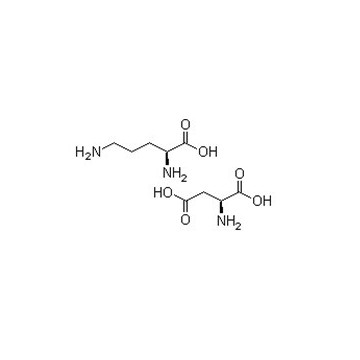
M.F:C5H12N2O2.C4H7NO4
L-ornithine-L-aspartate is useful in the treatment of high ammonia levels or when a patient’s liver function is extremely poor. L-O-L-A is very effective for end-stage cirrhotic patients.
*The following content is generated by AI and is for reference only.
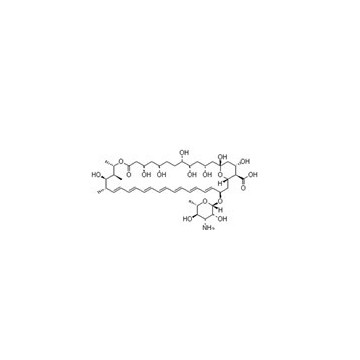
Amphotericin B is a potent polyene macrolide antifungal antibiotic widely recognized for its efficacy against severe, life-threatening systemic fungal infections. Originally isolated from soil bacteria of the genus *Streptomyces nodosus*, this compound has served as a cornerstone in clinical mycology for decades. Its chemical structure features a large macrocyclic lactone ring with multiple conjugated double bonds and a hydrophilic mycosamine sugar moiety, which contributes to its unique mechanism of action. The molecular formula of Amphotericin B is C47H73NO17, and it is uniquely identified by the CAS registry number 1397-89-5.
The primary therapeutic application of Amphotericin B lies in treating invasive fungal diseases caused by susceptible organisms such as *Candida* species, *Cryptococcus neoformans*, and various dimorphic fungi including *Histoplasma capsulatum*, *Blastomyces dermatitidis*, and *Coccidioides immitis*. It is often considered the drug of choice for mucormycosis and cryptococcal meningitis due to its broad-spectrum activity. The drug functions by binding specifically to ergosterol, an essential component of fungal cell membranes. This binding creates transmembrane channels that disrupt membrane integrity, leading to the leakage of intracellular ions and small molecules, ultimately causing cell death. While highly effective, its clinical utility is frequently limited by significant toxicity, most notably nephrotoxicity, infusion-related reactions, and electrolyte disturbances like hypokalemia. To mitigate these risks, lipid formulations have been developed, offering comparable efficacy with reduced renal adverse effects compared to the conventional deoxycholate formulation. Despite the emergence of newer azole and echinocandin agents, Amphotericin B remains indispensable in managing critical fungal infections where rapid fungicidal activity is required or when resistance to other classes is suspected. Ongoing research continues to explore novel delivery systems and structural analogs to enhance its therapeutic index while maintaining its vital role in modern antimicrobial therapy.





 (All Rights Reserved)