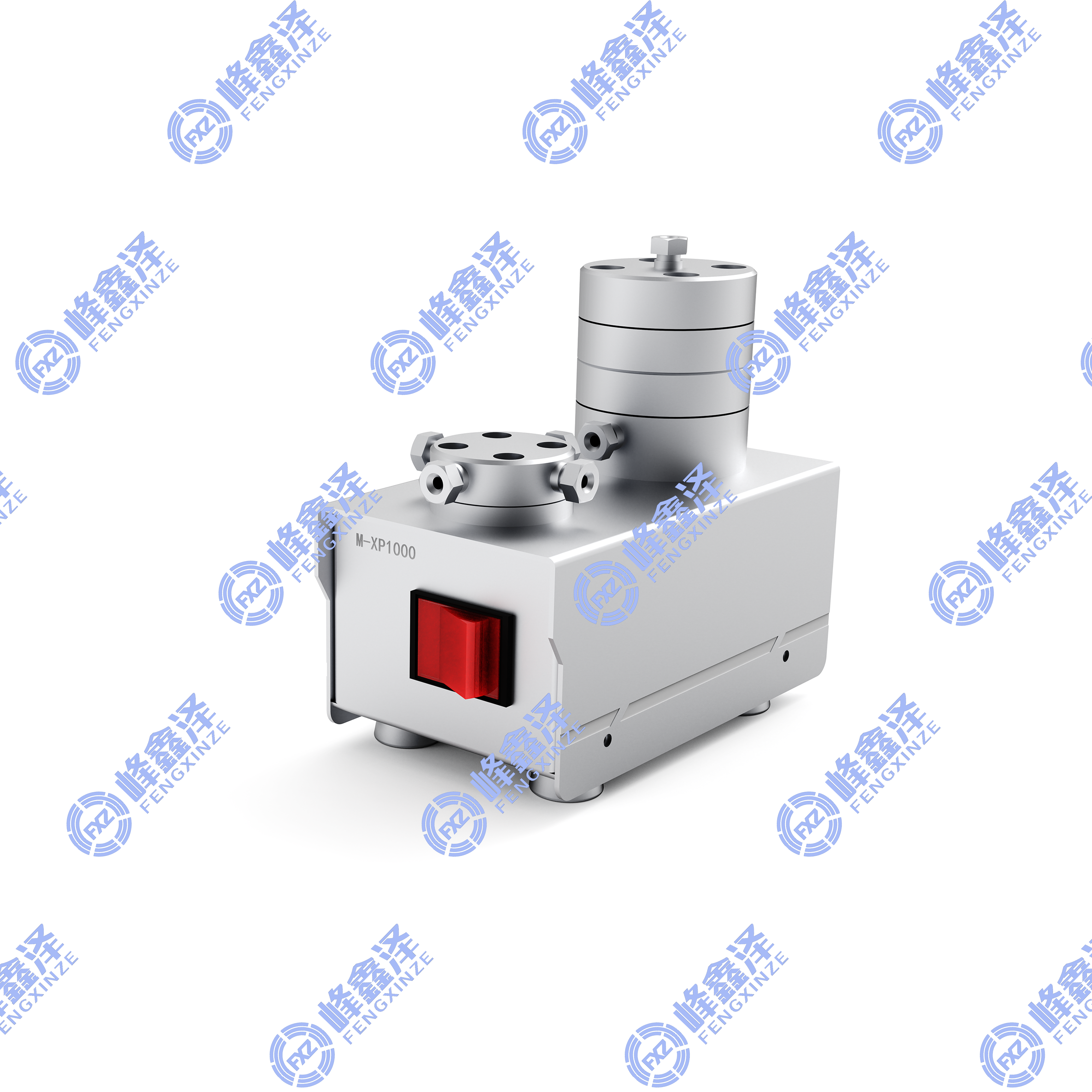
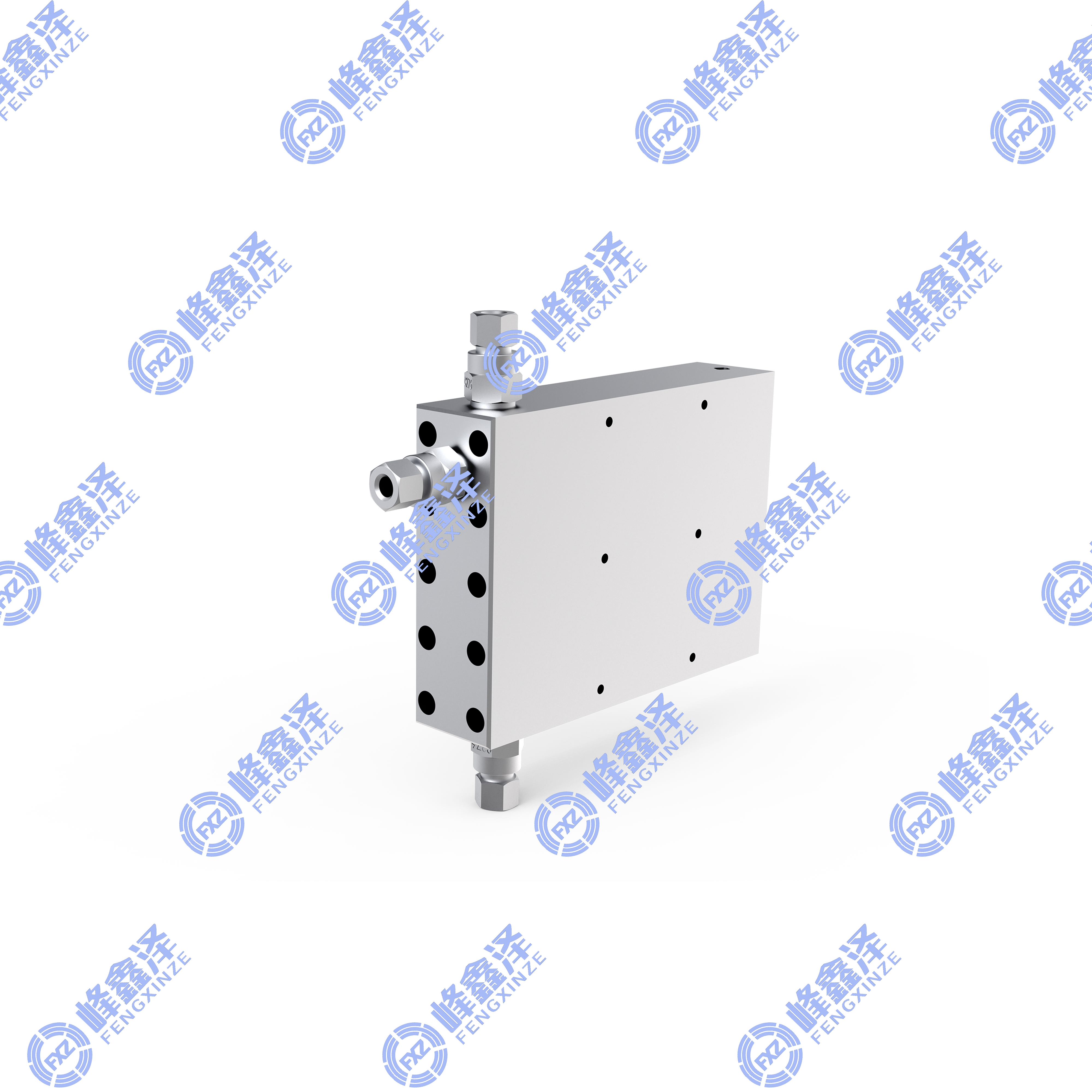
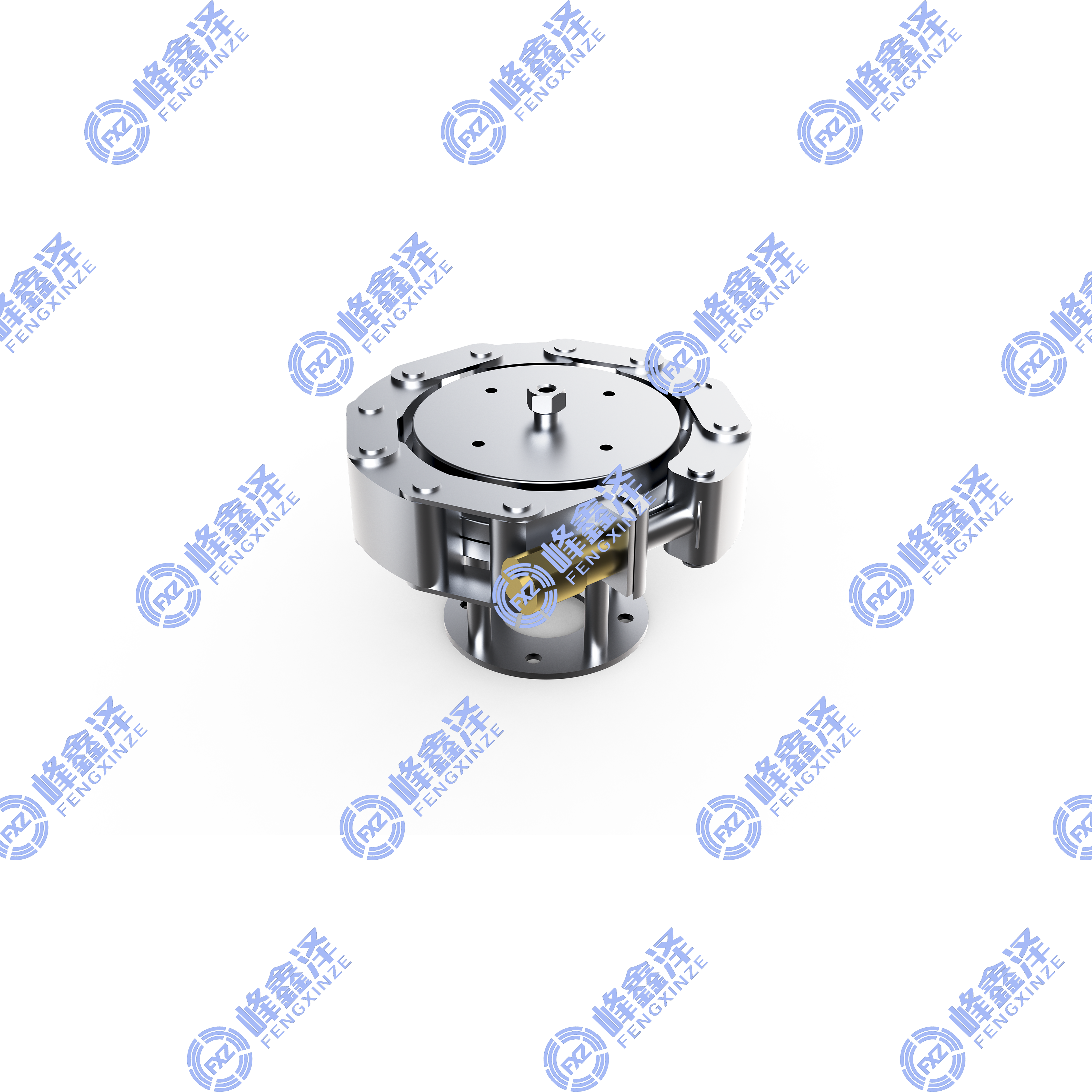
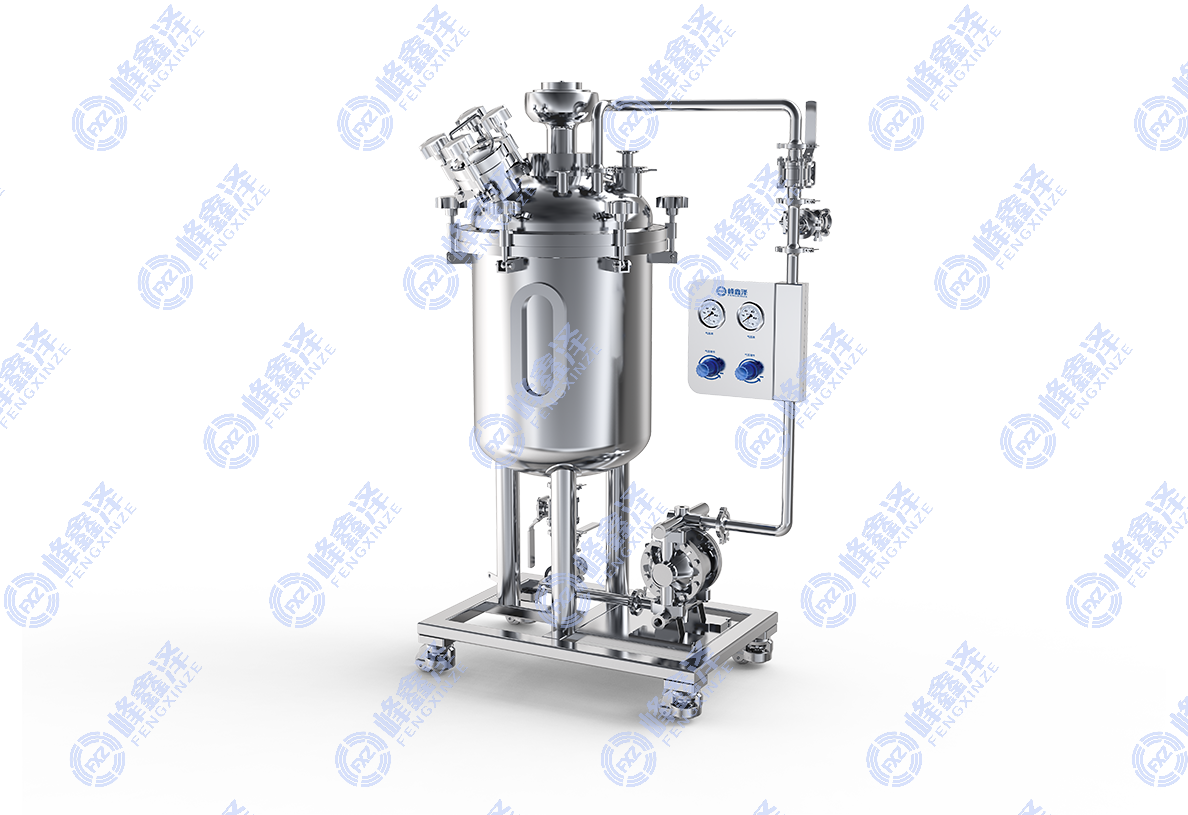
Product Description
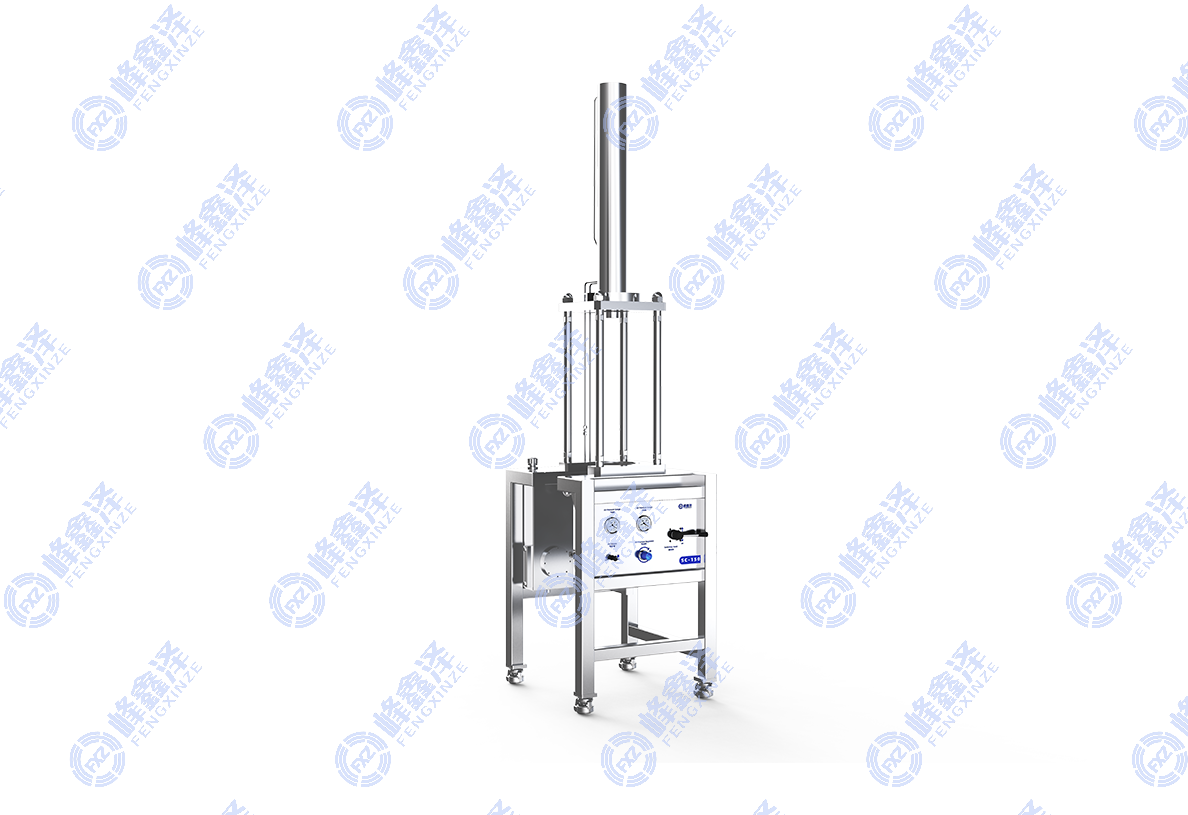
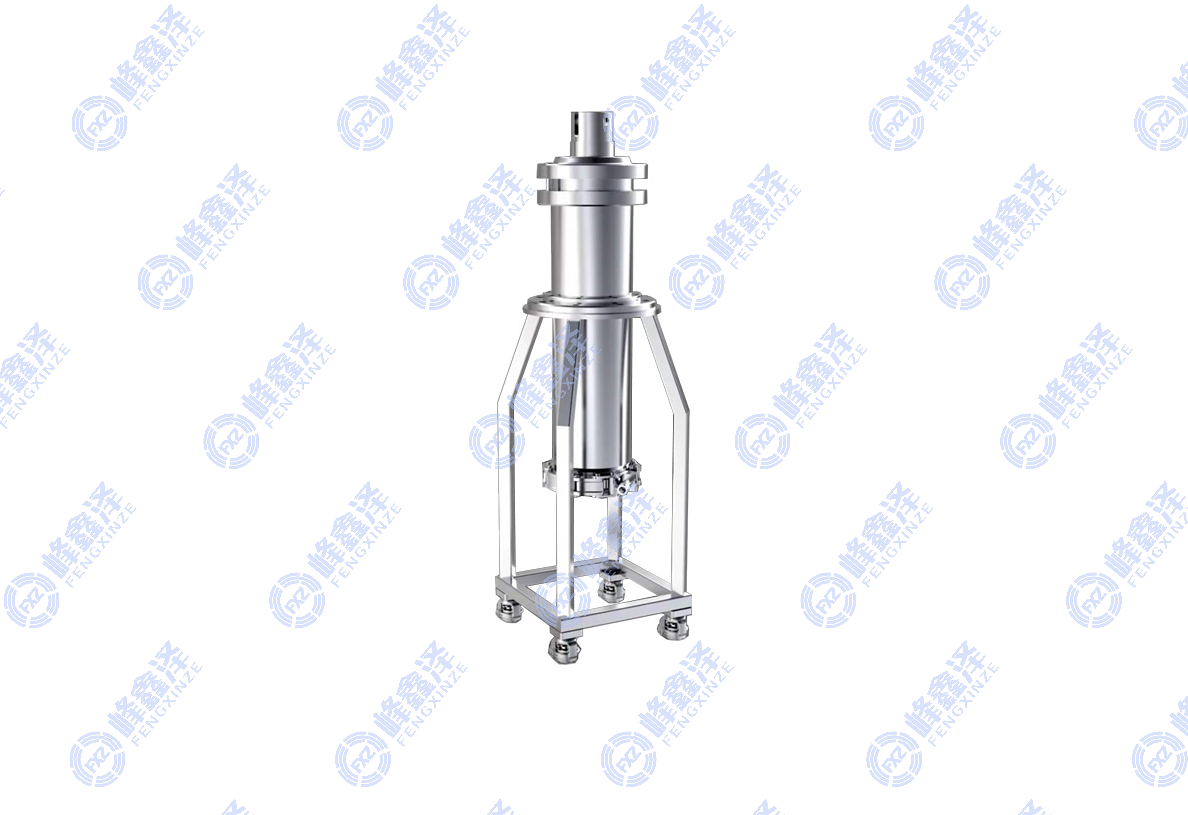
DAC series dynamic axial compression chromatographic column can self-loading column, maintain column pressure, self-unloading column, fully meet the bed continuity, uniformity, stability and tightness requirements. This makes the use of the separation column more effective, and the preparation column with a large diameter range can be packed while maintaining the separation effect equivalent to the analysis column.
AI Product Description
*The following content is generated by AI and is for reference only.
The product in question is a high-precision axial compression testing machine, widely utilized across materials science, civil engineering, and quality control laboratories. Its primary function is to evaluate the mechanical properties of solid specimens under uniaxial compressive loads. By applying controlled force until failure or deformation, engineers can determine critical parameters such as compressive strength, elastic modulus, yield point, and strain behavior. This data is essential for validating the structural integrity of construction materials like concrete, ceramics, rocks, and metals, ensuring they meet rigorous safety standards before deployment in real-world infrastructure projects.
These systems are designed with robust frames to withstand extreme forces while maintaining alignment accuracy. They typically feature advanced load cells and displacement sensors that provide real-time data logging, allowing for detailed stress-strain curve analysis. The equipment often includes interchangeable platens and fixtures to accommodate various specimen geometries, from small cylinders to large blocks. Furthermore, modern iterations integrate automated software interfaces for test programming, data visualization, and compliance reporting, significantly reducing human error and increasing throughput.
When operating this machinery, several precautions are paramount. First, operators must strictly adhere to load limits specified by the manufacturer to prevent catastrophic frame damage or sensor failure. Proper specimen preparation is crucial; uneven surfaces can lead to eccentric loading, causing premature failure and inaccurate results. Safety protocols require the use of protective guards during testing to shield personnel from flying debris in case of brittle fracture. Additionally, regular calibration of load cells and verification of crosshead alignment are necessary to maintain measurement traceability. Users should also ensure the machine is placed on a level, vibration-free foundation to minimize external interference. Finally, emergency stop procedures must be clearly understood and accessible at all times. By following these guidelines, facilities can maximize the lifespan of the equipment while obtaining reliable, reproducible data essential for research and development.

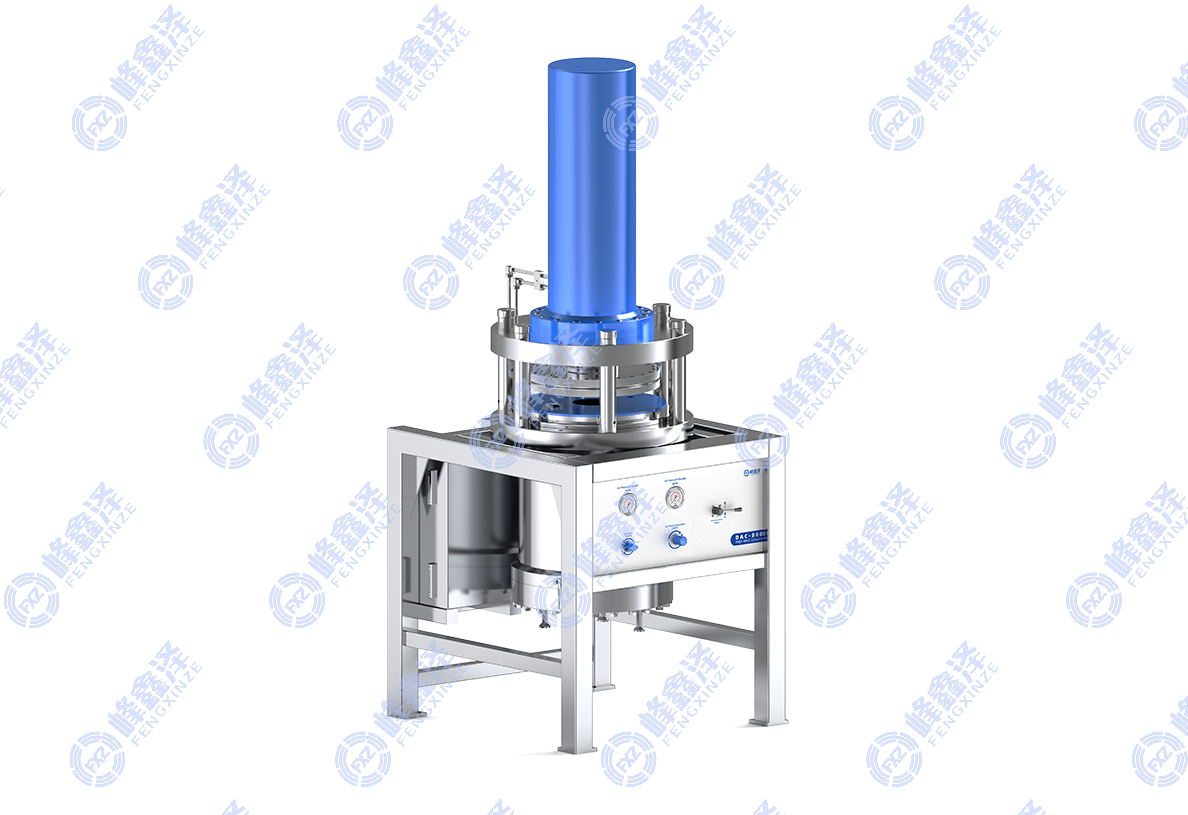




 (All Rights Reserved)