Product Description
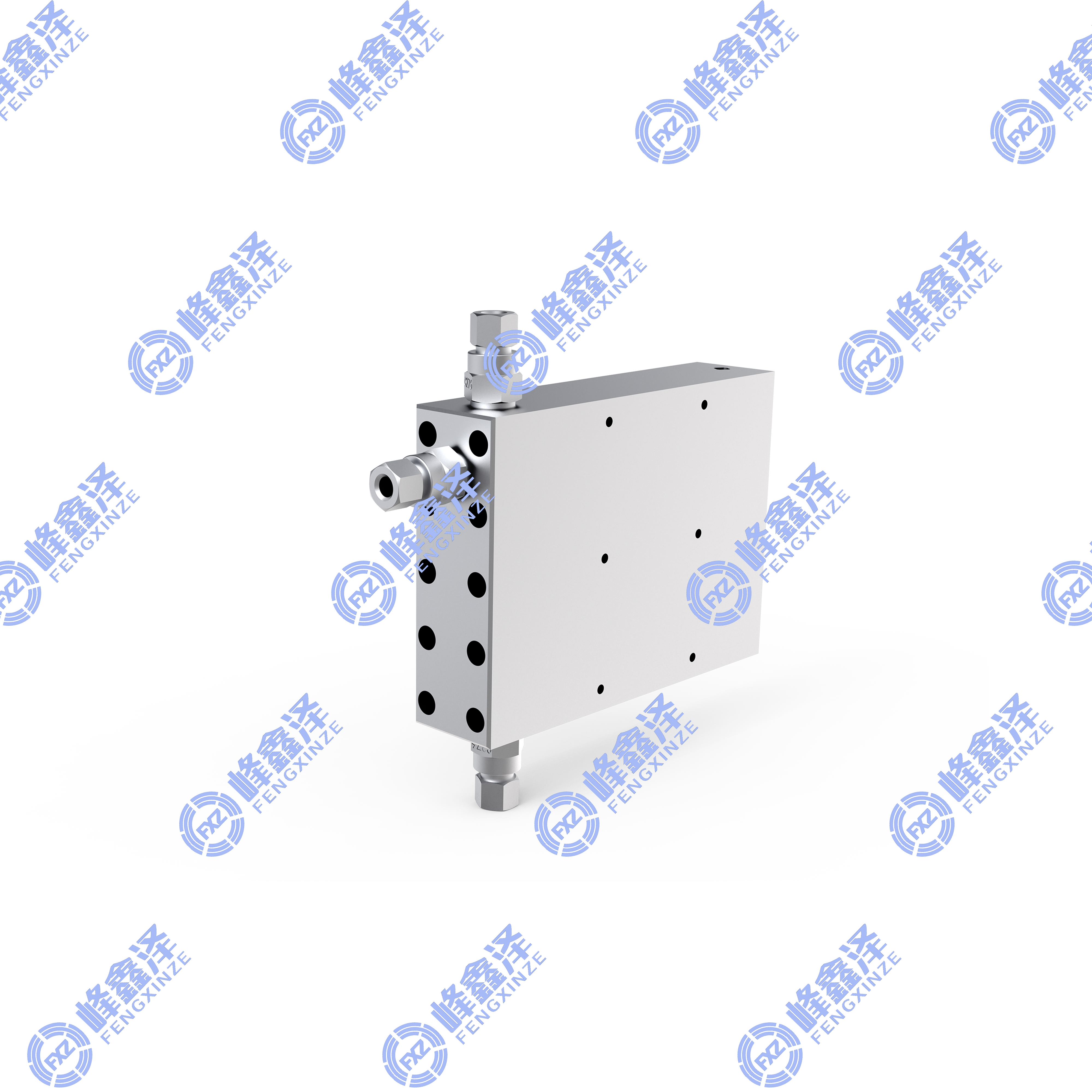
Product name
Model
Flow range
Maximum withstand pressure
Mixing range
Mixed precision
Wetted material
Adaptable to chromatographiccolumns
300-1000mL/min
150mm100mm、
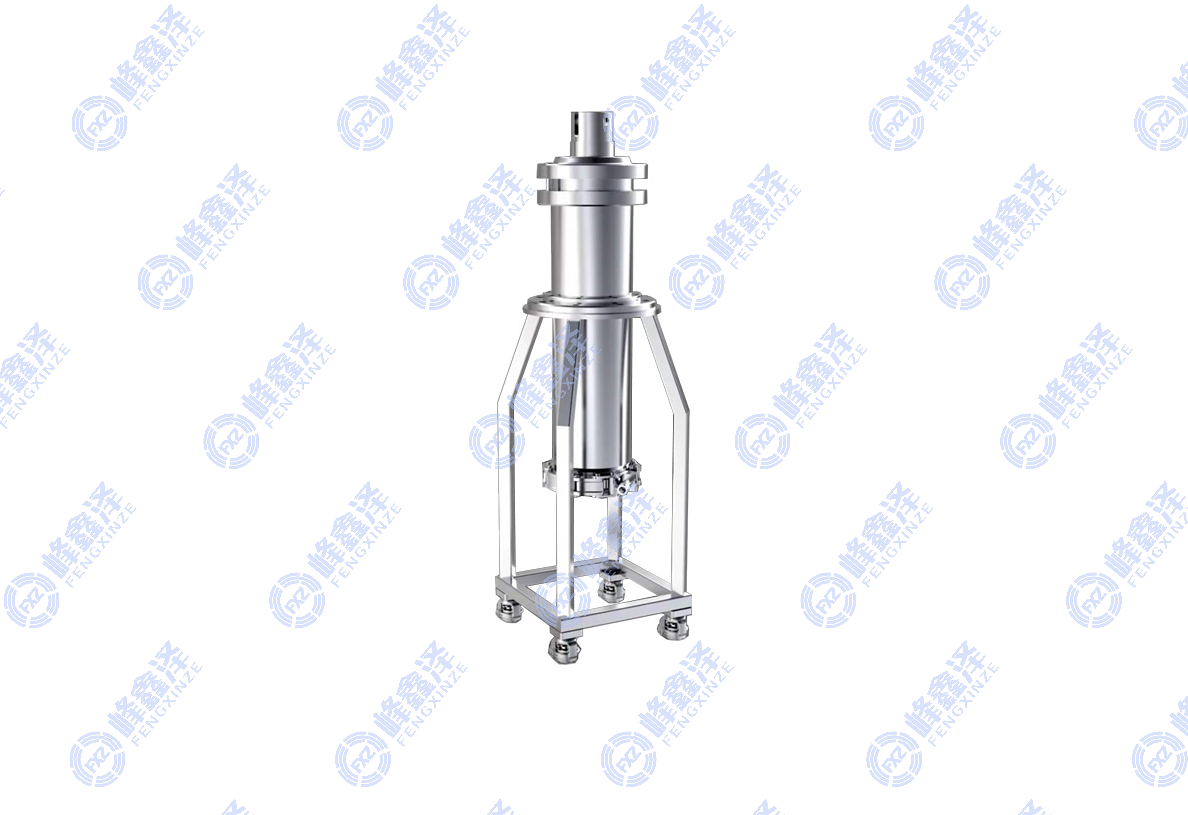
Static mixer
FXZ-MS
10MPa
0-100% 0.1%increments
+1.5%
316L/PEEK
1000-3000mL/min
200mm、300mm
AI Product Description
*The following content is generated by AI and is for reference only.
Static mixers are essential industrial devices designed to blend two or more fluids without moving parts, relying entirely on the flow dynamics within a fixed internal structure. These units are widely utilized across chemical processing, food and beverage production, water treatment, pharmaceutical manufacturing, and petrochemical industries. The primary function of a static mixer is to achieve homogeneous mixing by dividing, rotating, and recombining fluid streams as they pass through a series of helical elements. This passive mixing mechanism ensures consistent product quality while minimizing energy consumption and maintenance requirements compared to mechanical agitators.
The design typically consists of a cylindrical housing containing alternating left- and right-hand helical blades. As fluids enter the inlet, the blades split the stream into thinner layers, increasing interfacial contact area and promoting rapid diffusion. This results in efficient blending even at low Reynolds numbers, making them ideal for viscous liquids, slurries, and gas-liquid systems. Static mixers are particularly valued for their compact size, lack of seals or bearings, and ability to operate continuously under high pressure and temperature conditions.
Key application areas include catalyst injection, pH neutralization, polymer compounding, and additive dispersion. They are often installed inline between process vessels or reactors to ensure immediate and thorough mixing before downstream operations.
When deploying static mixers, several critical considerations must be addressed. First, proper sizing based on flow rate, viscosity, and required number of transfer units is vital to prevent channeling or excessive pressure drop. Second, material compatibility with the processed fluids is crucial; common construction materials include stainless steel, carbon steel, PVC, PTFE, and specialized alloys depending on corrosion resistance needs. Third, regular inspection for clogging or erosion is necessary, especially when handling particulate-laden streams. Finally, installation orientation should follow manufacturer guidelines, typically requiring sufficient straight pipe runs upstream and downstream to ensure uniform flow distribution. By adhering to these operational principles, static mixers deliver reliable, cost-effective mixing solutions for diverse industrial applications.





 (All Rights Reserved)