Product Description
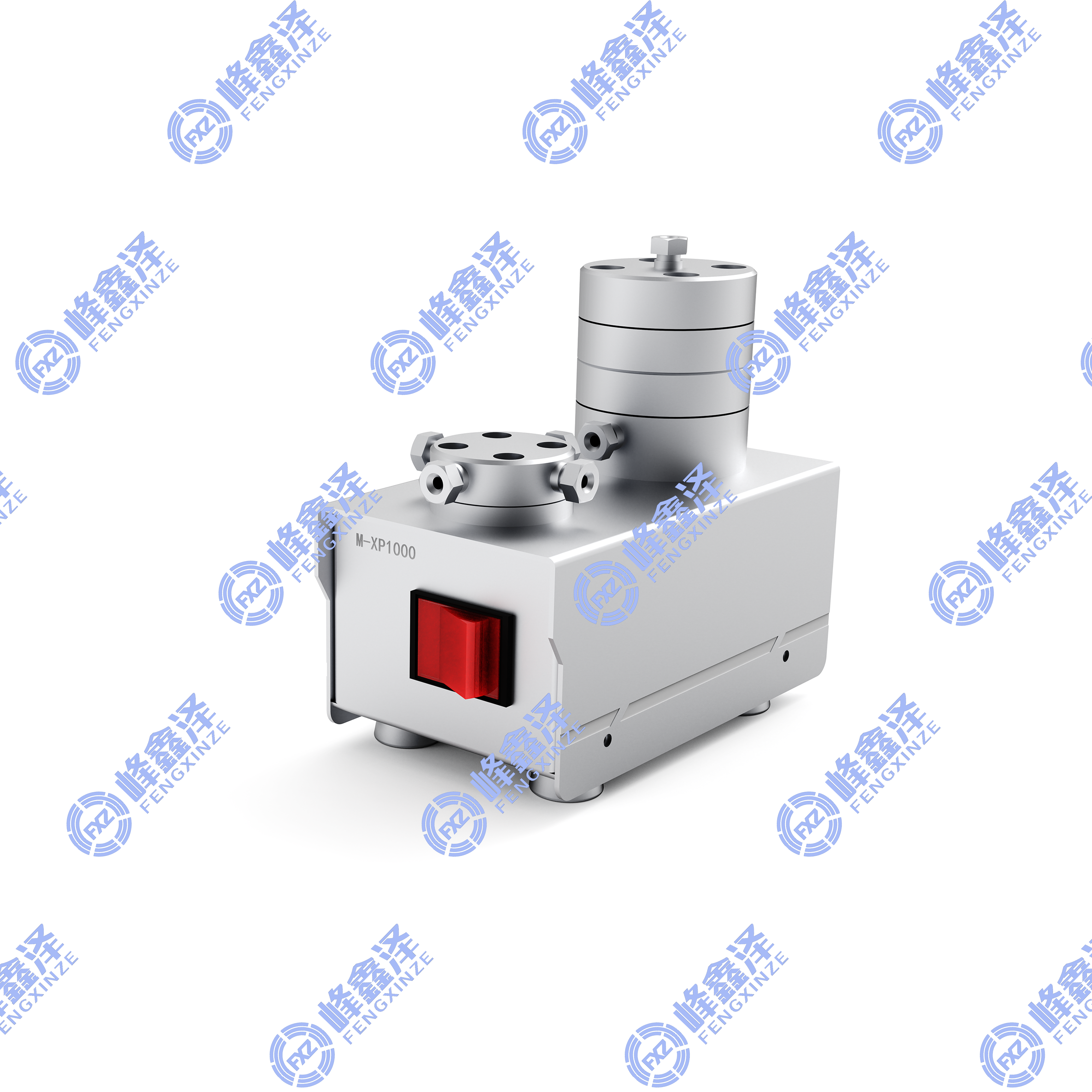
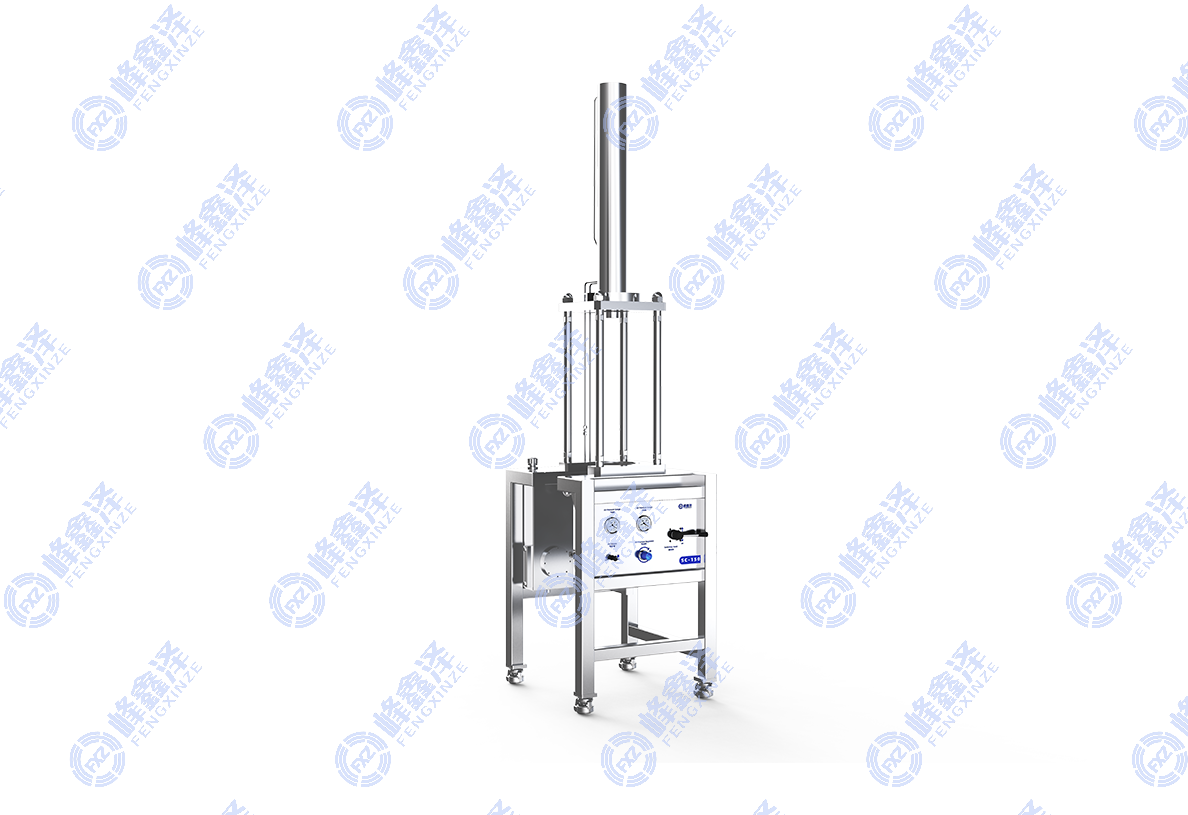
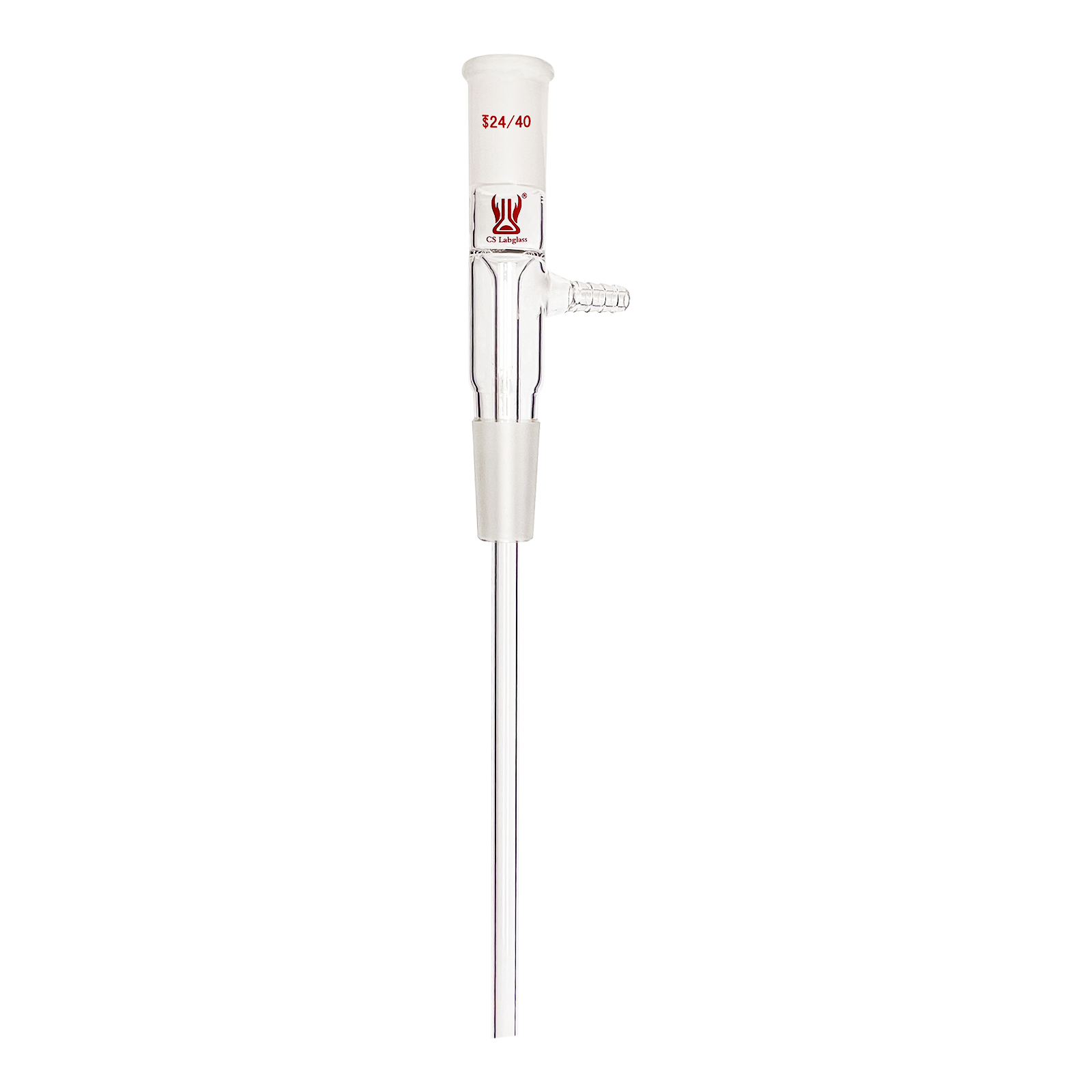
spring column is simple and convenient. Unlike other axial compression columns, the spring column is independent and self-sufficient. Once the column is installed, it can be used without the column loading machine. It can maintain the same performance and advantages of the traditional axial compression technology., But greatly reduces the cost. In addition, its own self-contained design can guarantee the "error allowed" operation.
AI Product Description
*The following content is generated by AI and is for reference only.
The product in question refers to a versatile, high-performance industrial component widely utilized across manufacturing, automation, and construction sectors. While specific brand names and model numbers are excluded from this general overview, the device is fundamentally designed to provide precise linear motion control or structural support depending on its application context. Typically constructed from durable materials such as hardened steel, aluminum alloys, or reinforced polymers, these units ensure longevity even under heavy loads and harsh environmental conditions.
In industrial settings, the primary function involves guiding moving parts with minimal friction, thereby enhancing operational efficiency and accuracy. Whether employed in CNC machinery, robotic arms, or assembly lines, the component facilitates smooth, repeatable movements that are critical for maintaining tight tolerances. Its modular design often allows for easy integration into existing systems, making it a preferred choice for engineers seeking reliable solutions without extensive customization. Additionally, many variants feature self-lubricating properties or sealed bearings, reducing maintenance requirements and extending service life in dusty or wet environments.
Safety and proper installation are paramount when utilizing this equipment. Users must strictly adhere to load ratings specified by manufacturers to prevent mechanical failure or catastrophic accidents. Overloading can lead to premature wear, deformation, or sudden collapse, posing significant risks to personnel and equipment. Regular inspection routines should be implemented to check for signs of corrosion, misalignment, or excessive play in moving joints. Furthermore, ensuring that all mounting points are secure and aligned according to engineering standards is essential for optimal performance.
Environmental factors also play a crucial role; extreme temperatures or exposure to corrosive chemicals may degrade certain materials faster than others. In such cases, selecting appropriate protective coatings or alternative material grades is advisable. Operators should receive comprehensive training on handling procedures and emergency protocols before deploying the unit in active production environments. By following these guidelines, organizations can maximize the reliability and lifespan of their machinery while minimizing downtime and operational costs. Ultimately, this component serves as a cornerstone of modern industrial automation, enabling precision, safety, and productivity across diverse applications worldwide.

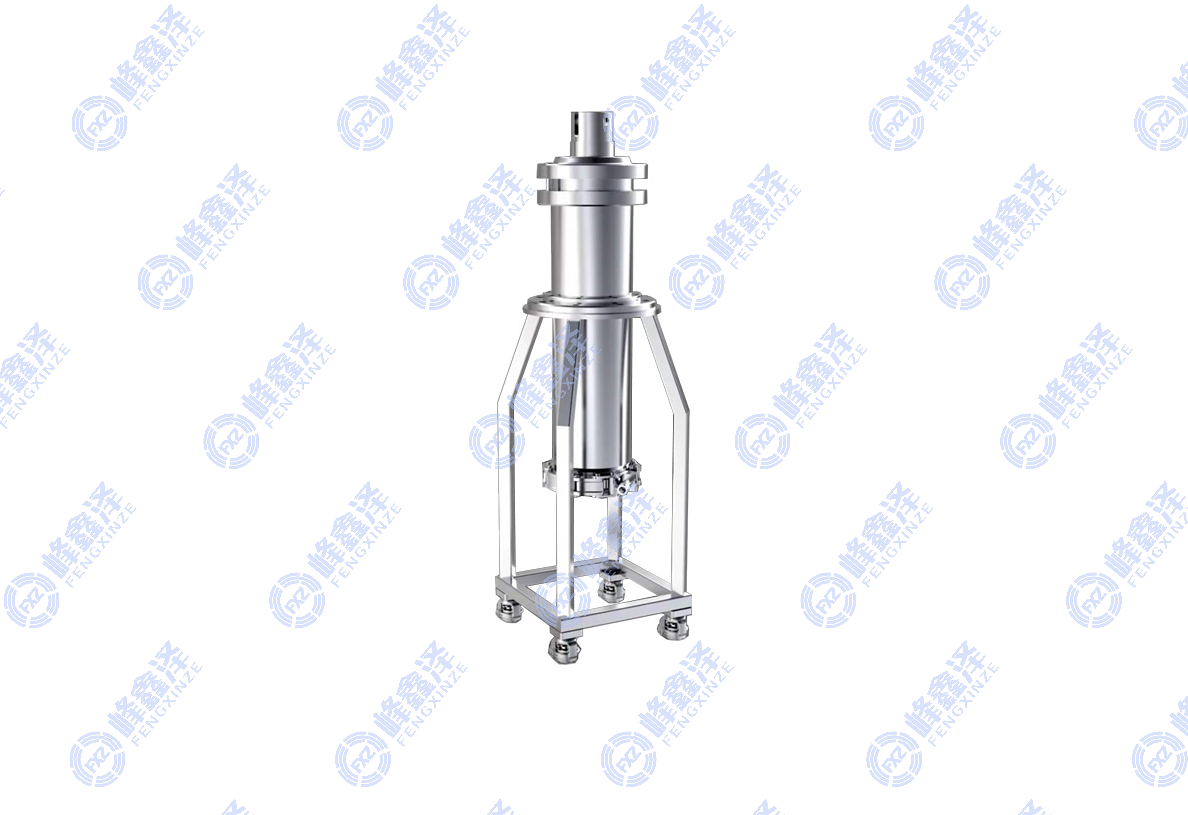




 (All Rights Reserved)