Product Description
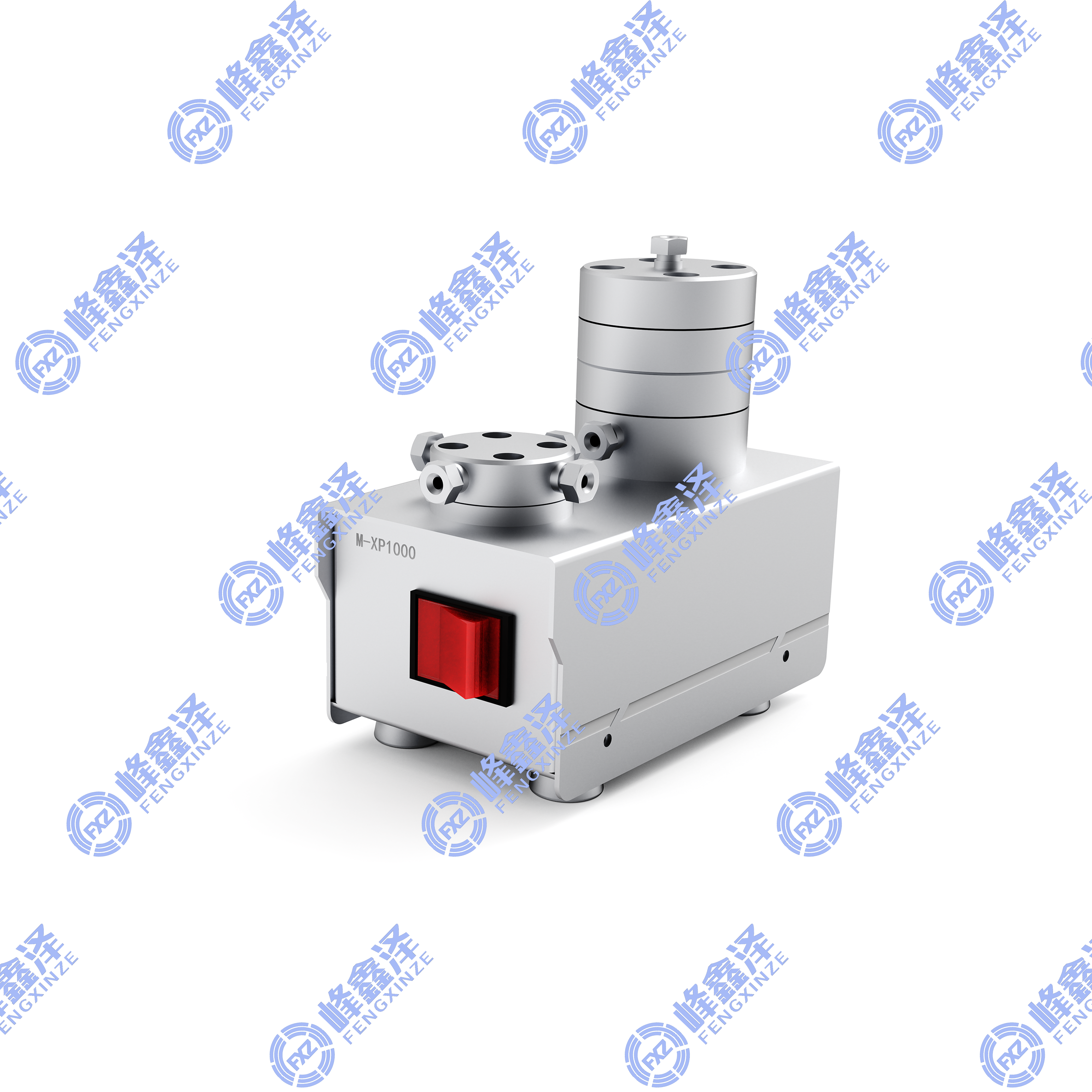
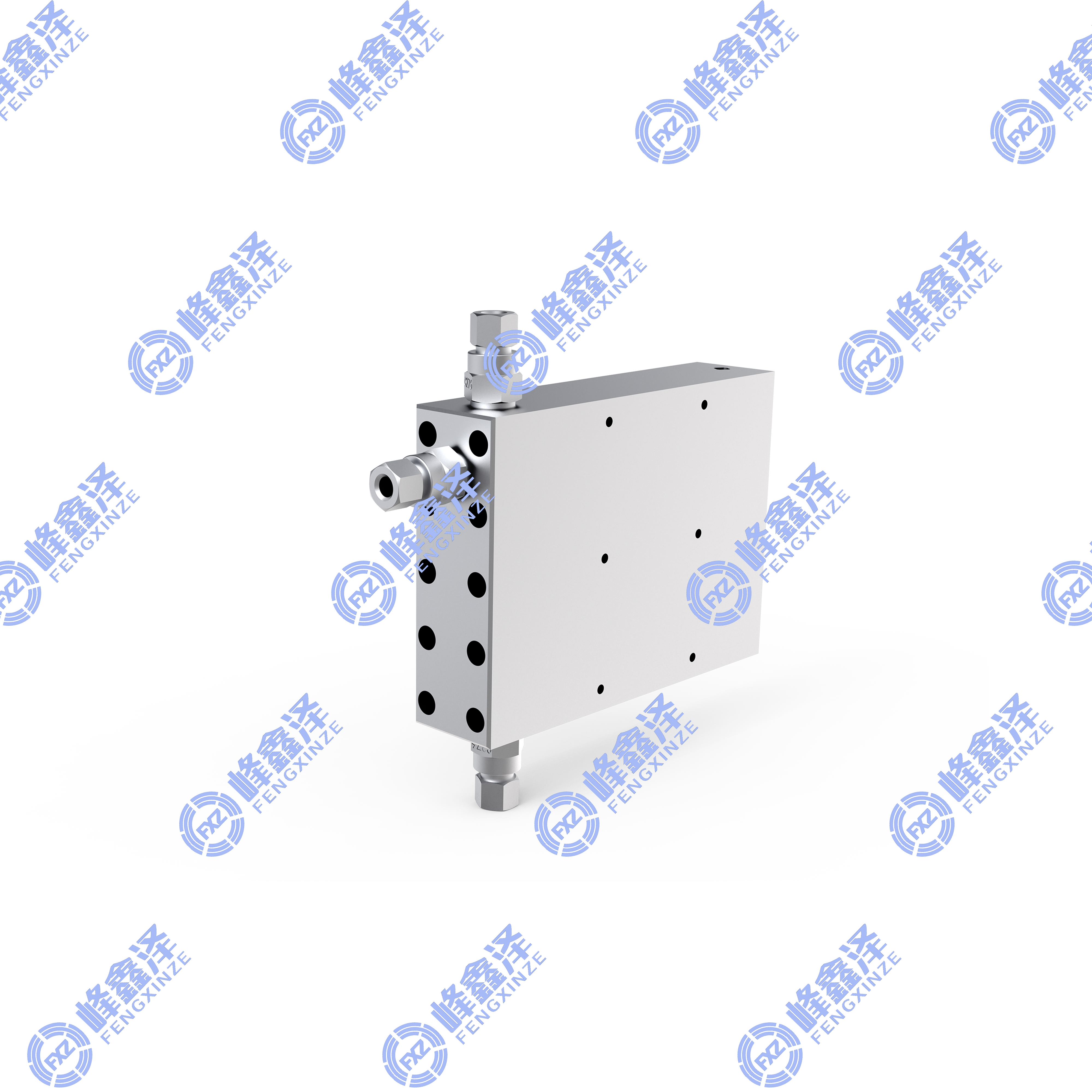
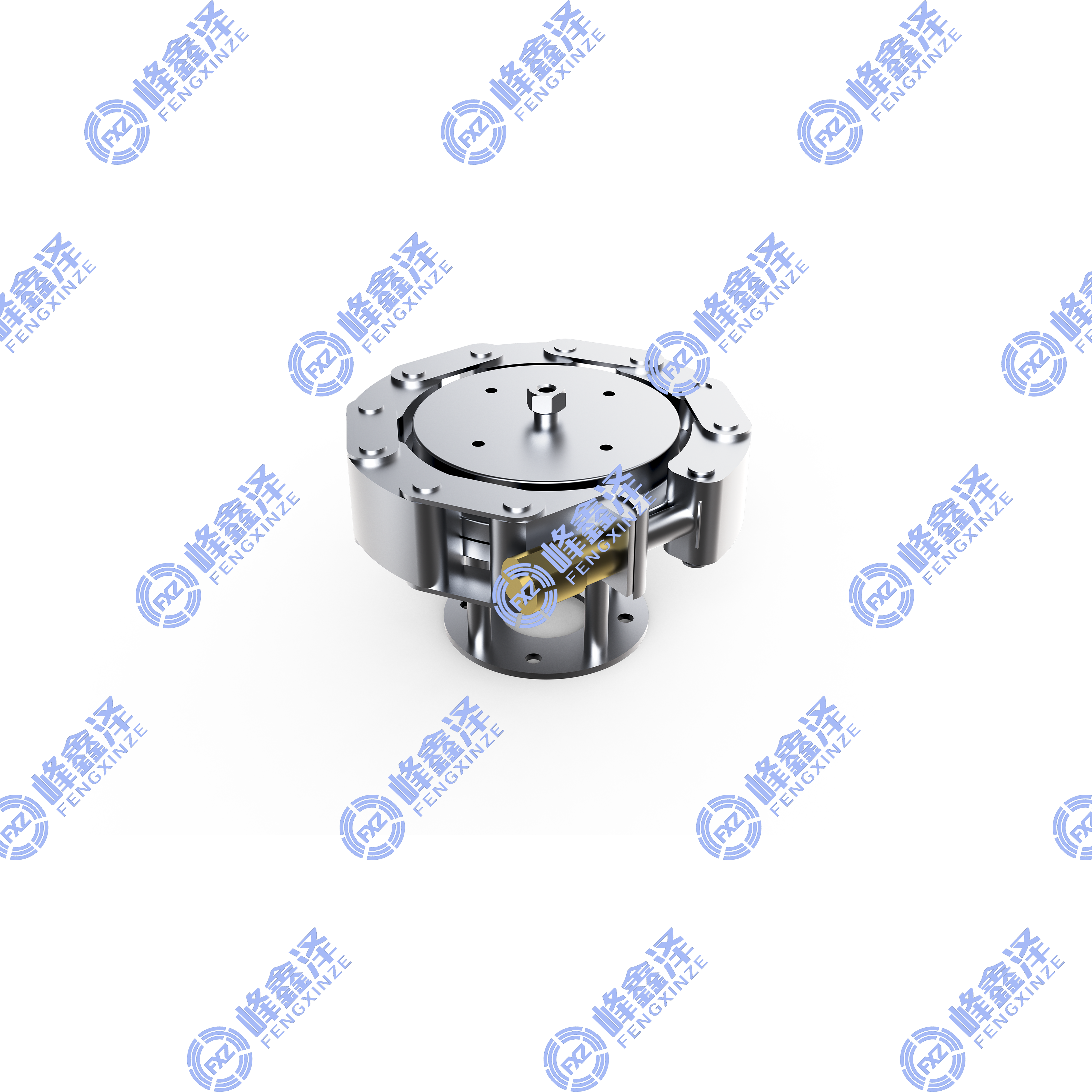
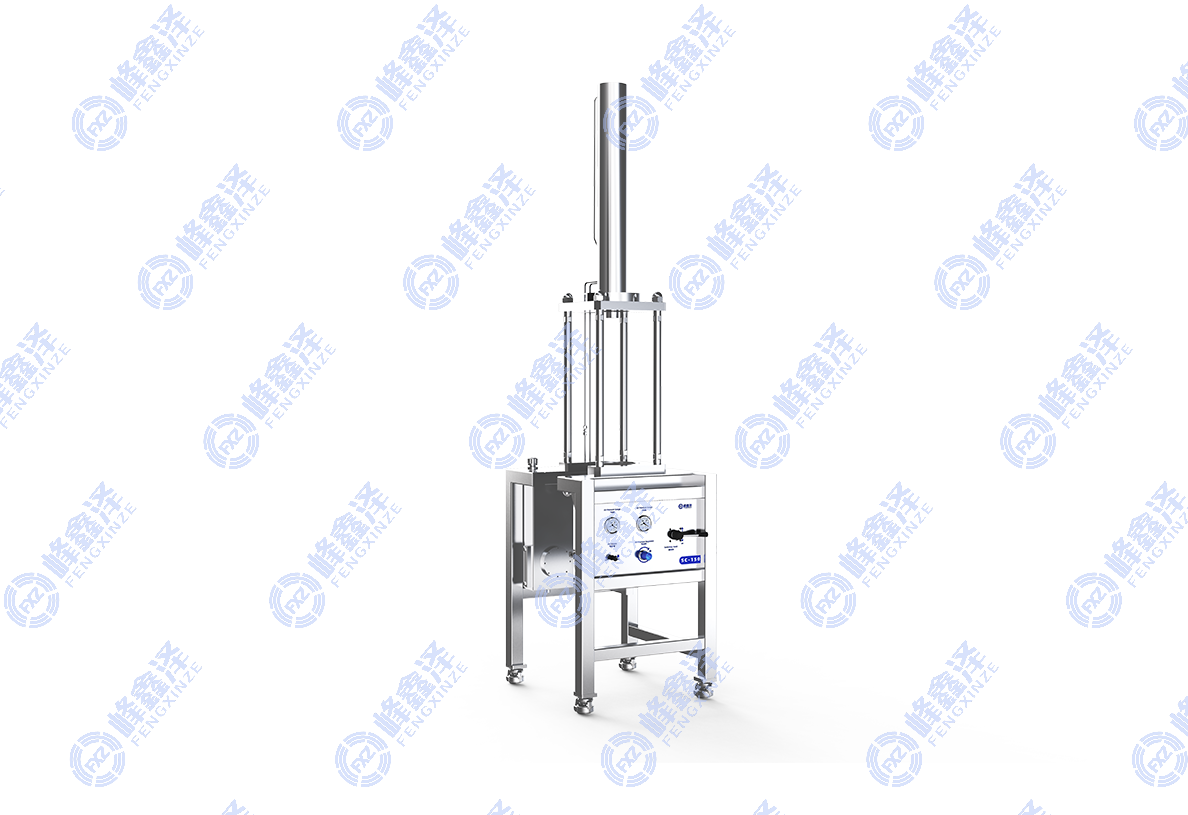
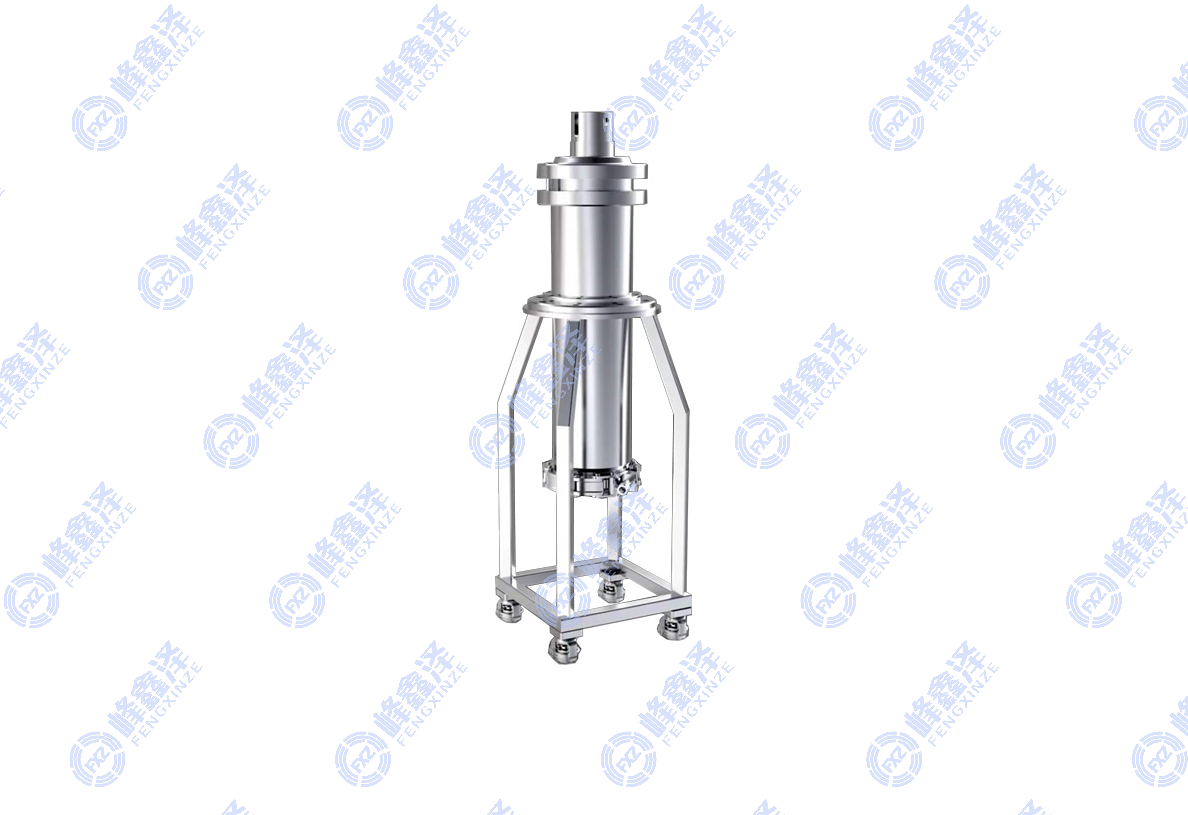
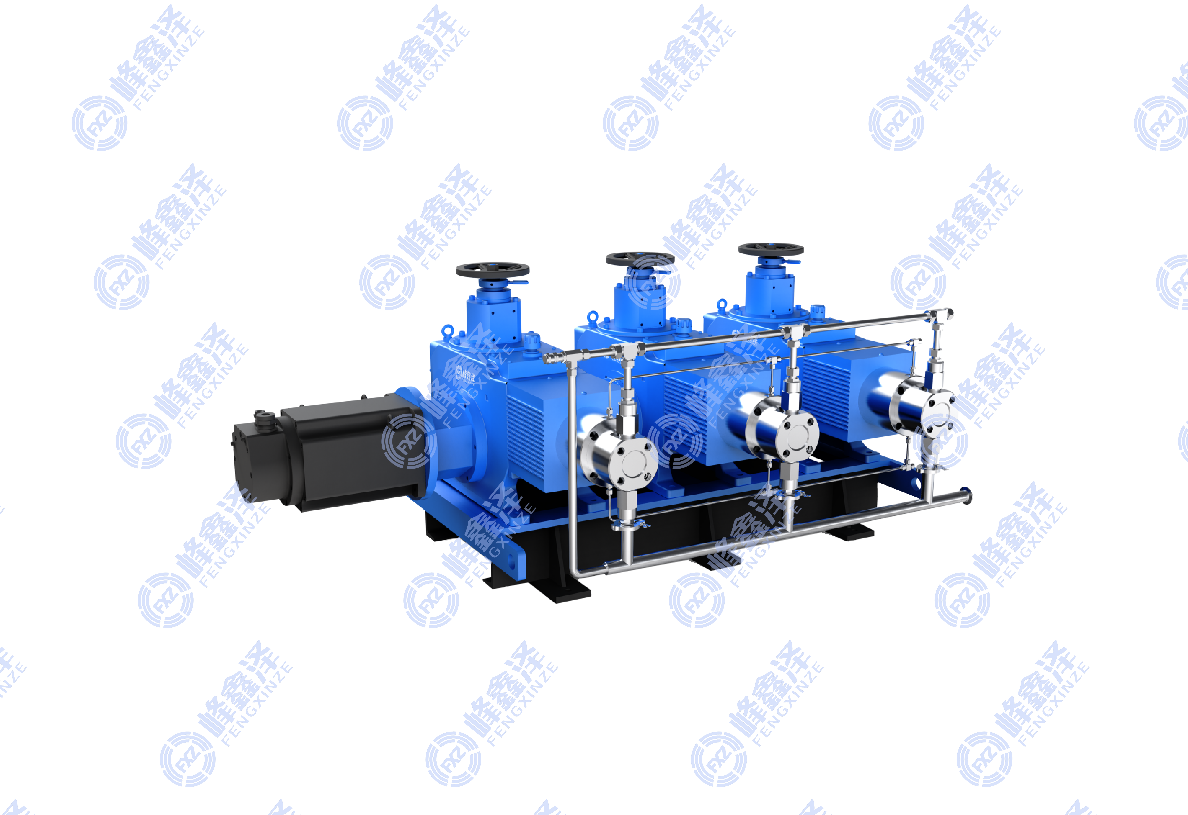
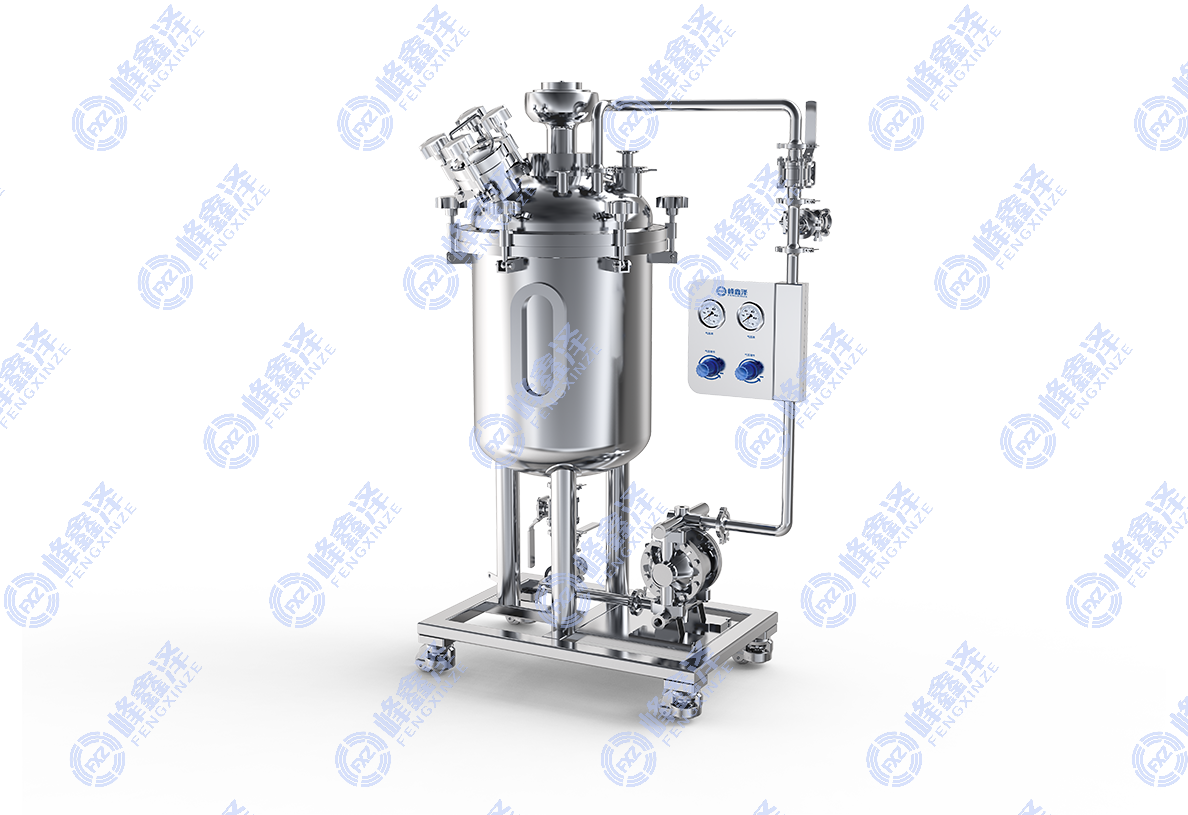
homogenization system is the use of compressed air as the power source of equipment, with compressed air as a driving force more environmentally friendly health, no pollution to the working environment, low noise, is an ideal power source. The components of the homogenization system are all installed on the base frame, with the homogenization tank as the center, and other components are reasonably arranged around the homogenization tank.
AI Product Description
*The following content is generated by AI and is for reference only.
The device in question is a high-efficiency laboratory instrument designed primarily for the uniform dispersion of solid particles within liquid media. Its core function involves breaking down agglomerates to ensure a consistent molecular distribution, which is critical for achieving reproducible results in scientific research and industrial quality control. This equipment is widely utilized across various sectors, including pharmaceuticals, cosmetics, food science, and materials engineering, where sample homogeneity directly impacts the accuracy of downstream analysis or product performance.
In operation, the machine typically employs high-speed rotation or ultrasonic energy to generate intense shear forces. These forces effectively disrupt particle clusters without significantly altering the chemical composition of the sample, provided the process parameters are correctly set. The resulting suspension exhibits stable viscosity and uniform optical properties, making it ideal for spectroscopy, rheology testing, and formulation development. Users can often adjust speed, time, and temperature settings to accommodate different viscosities and thermal sensitivities of the samples being processed.
Several precautions must be observed to ensure safe and effective operation. First, operators should verify that the vessel material is compatible with both the solvent and the mechanical stress generated during mixing to prevent leakage or breakage. Second, overfilling the container can lead to excessive heat buildup or splashing, potentially damaging the motor or creating safety hazards; therefore, adhering to maximum fill levels is essential. Third, for volatile or flammable solvents, proper ventilation and explosion-proof configurations are mandatory to mitigate fire risks. Additionally, regular cleaning and maintenance of the probe or rotor assembly are crucial to prevent cross-contamination between batches. Finally, users should always allow the system to cool down before handling hot components and ensure all safety guards are securely in place during operation. By following these guidelines, laboratories can maximize the lifespan of the equipment while maintaining the highest standards of experimental integrity and safety.





 (All Rights Reserved)