DSPE Distearoyl phosphatidylethanolamine丨1069-79-0-AVT (Shanghai) Pharmaceutical Tech Co., Ltd.
1、English name: Distearoyl phosphatidylethanolamine
2、Product name:DSPE
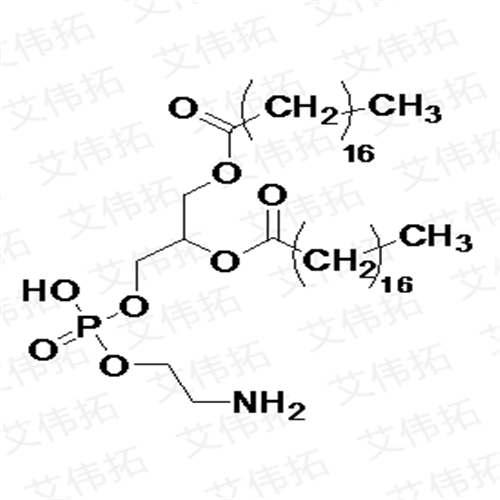
3、Chemical Name:1,2-distearoyl-sn-glycero-3-phosphoethanolamine
4、CAS NO. 1069-79-0
5、level:Medical reagent grade
6、Molecular Weight:748.08
7、Molecular formula: C41H82NO8P
8、Use:liposomes
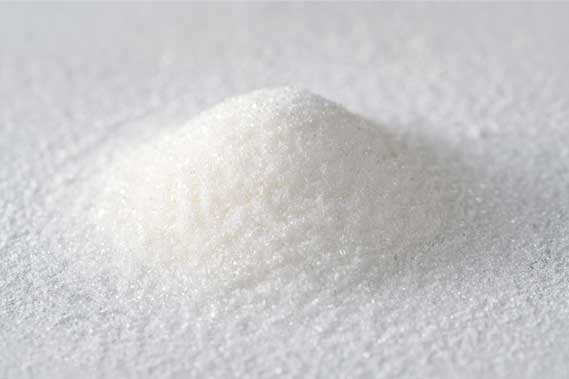
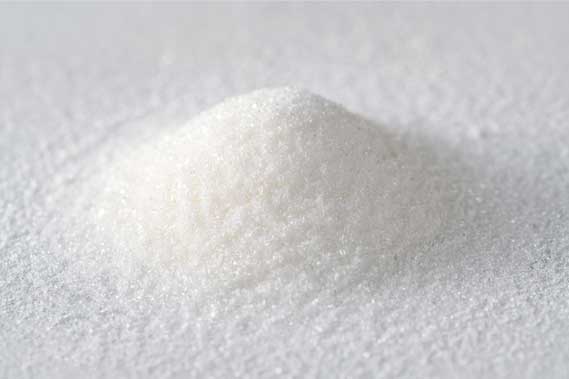
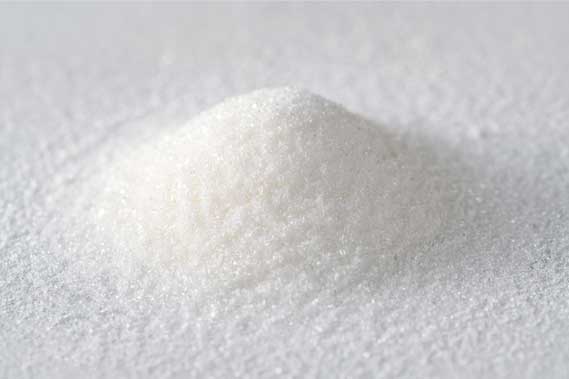
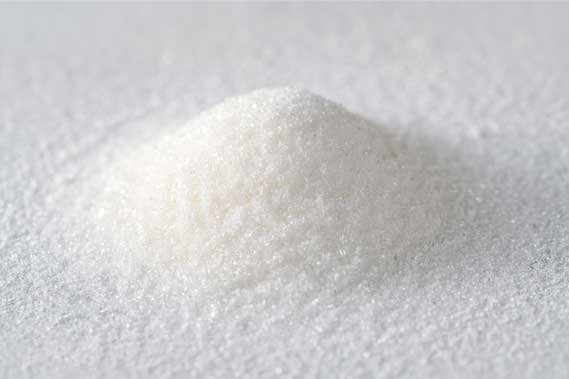
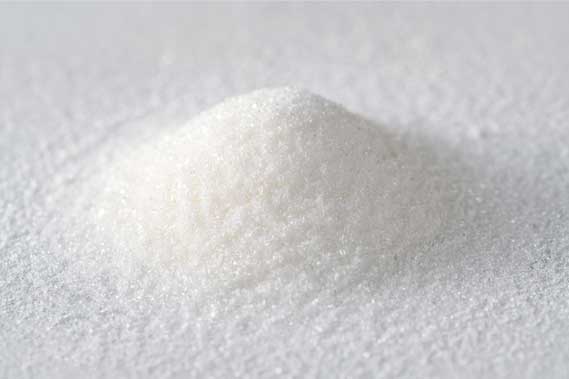
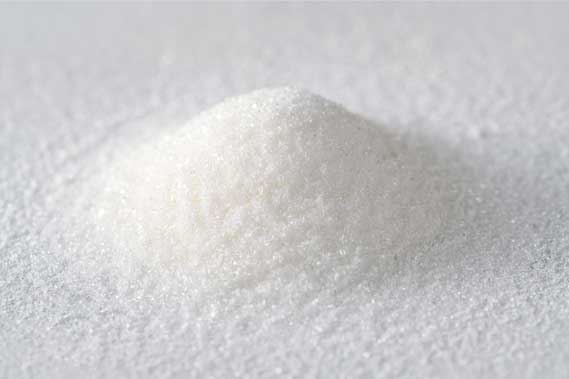
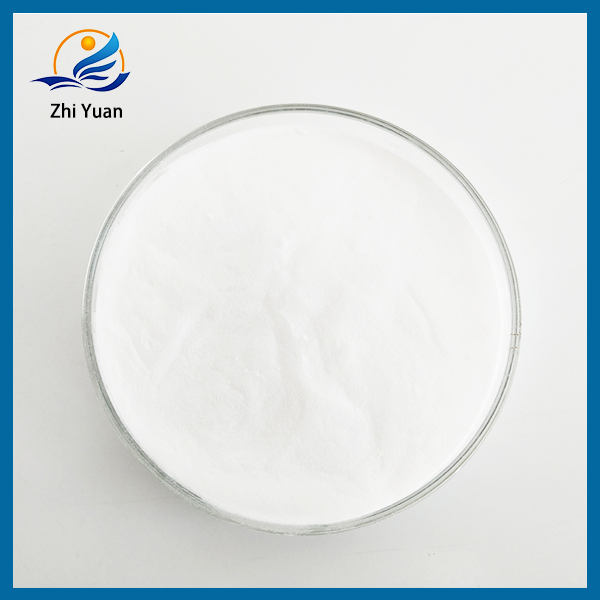
9、Product characteristics: White powder
10、Storage condition:below -20°C, tightly closed with shade
*The following content is generated by AI and is for reference only.
1,2-Distearoyl-sn-glycero-3-phosphoethanolamine, commonly abbreviated as DSPE, is a synthetic phospholipid widely utilized in pharmaceutical and biotechnological applications. Its molecular formula is C41H80NO8P, and it carries the CAS registry number 26419-57-6. Structurally, DSPE consists of two stearic acid chains attached to the glycerol backbone at the sn-1 and sn-2 positions, with a phosphoethanolamine head group at the sn-3 position. This amphiphilic nature allows DSPE to spontaneously form stable bilayers, micelles, and liposomes in aqueous environments, making it an ideal candidate for drug delivery systems.
In the realm of nanomedicine, DSPE is frequently employed as a key component in the formulation of liposomal drugs. It serves as a structural stabilizer, enhancing the integrity and circulation time of liposomes when encapsulated with therapeutic agents such as doxorubicin or siRNA. A particularly notable variation is DSPE-PEG, where polyethylene glycol (PEG) chains are conjugated to the ethanolamine head group. This modification creates a "stealth" effect, significantly reducing recognition by the reticuloendothelial system and prolonging systemic half-life. Consequently, PEGylated DSPE-based liposomes can accumulate more effectively in tumor tissues via the enhanced permeability and retention (EPR) effect.
Beyond oncology, DSPE finds application in gene therapy, vaccine development, and diagnostic imaging. Its biocompatibility and low toxicity profile make it suitable for both in vitro and in vivo studies. Researchers utilize DSPE to create model membranes for studying lipid-protein interactions or membrane fusion mechanisms. Furthermore, its ability to be functionalized with targeting ligands enables precise delivery to specific cell types. As a versatile building block, DSPE remains indispensable in the advancement of controlled release technologies and advanced therapeutic modalities, bridging the gap between chemical synthesis and clinical efficacy.





 (All Rights Reserved)