Product Description
| Product Name | Tris Base |
| Chemical Name | Tris(hydroxymethyl)aminomethane |
| CAS No. | 77-86-1 |
| Grade | Pharmaceutical injection grade |
| Quality Standards | in line with national pharmacopeia standards (Chp, USP, JP, EP) |
| Molecular Formula | C4H11NO3 |
| Molecular Weight | 121.14 |
| Product Code | A02012 |
| Available Package Sizes | 10kg |
AI Product Description
*The following content is generated by AI and is for reference only.
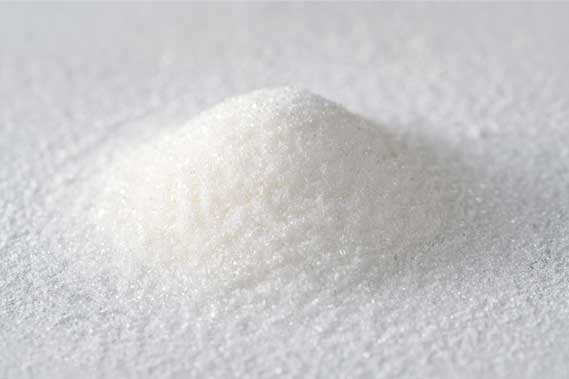
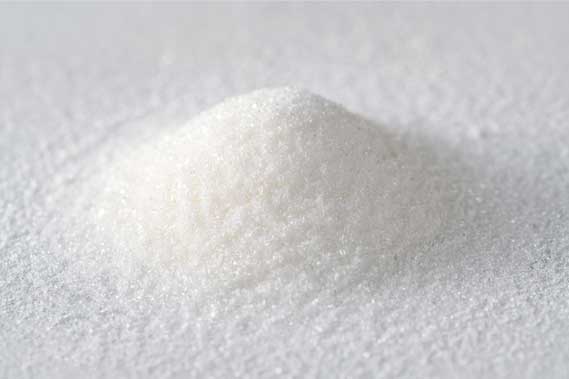
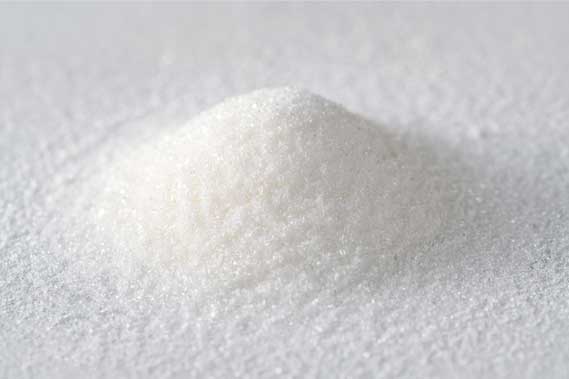
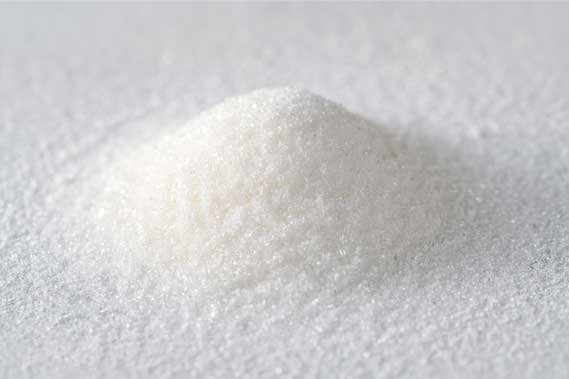
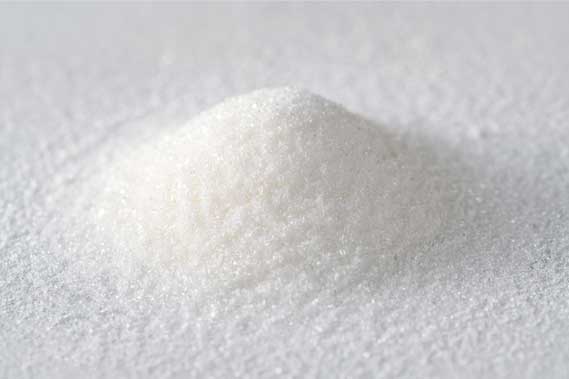
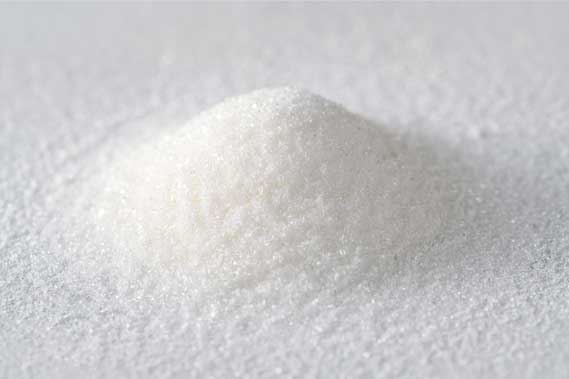
Tris Base, chemically known as 2-amino-2-(hydroxymethyl)-1,3-propanediol, is a widely utilized primary amine buffer in biological and biochemical research. With the molecular formula C4H11NO3 and a molecular weight of approximately 121.14 g/mol, this white crystalline powder exhibits high solubility in water and moderate solubility in ethanol. Its most defining characteristic is its pKa value of 8.06 at 25°C, which shifts significantly with temperature changes, making it an essential tool for maintaining stable pH levels in physiological ranges. The CAS number for Tris Base is 77-86-1.
In laboratory settings, Tris Base serves as a fundamental component in numerous applications, particularly in molecular biology and biochemistry. It is extensively employed in the preparation of buffers for electrophoresis, such as TAE (Tris-Acetate-EDTA) and TBE (Tris-Borate-EDTA), which are critical for DNA and RNA separation techniques. Furthermore, it acts as a buffering agent in protein purification protocols, cell culture media, and enzyme assays where a stable alkaline environment is required. Due to its ability to effectively resist pH fluctuations during metabolic processes or chemical reactions, it ensures the integrity of sensitive biomolecules.
Beyond academic research, Tris Base finds utility in industrial applications, including pharmaceutical formulation, textile processing, and as a catalyst in polymerization reactions. Its non-toxic nature at standard concentrations allows for safe handling in many contexts, although proper safety precautions regarding eye and skin irritation should always be observed. Researchers must account for its strong temperature dependence when designing experiments, as heating can lower the pH, potentially altering reaction kinetics. Despite this limitation, its versatility, cost-effectiveness, and reliability have cemented its status as one of the most indispensable reagents in modern scientific laboratories worldwide. Whether used for nucleic acid analysis or protein stabilization, Tris Base remains a cornerstone of experimental chemistry, facilitating breakthroughs across diverse scientific disciplines through its consistent performance and broad compatibility with various biological systems.






 (All Rights Reserved)