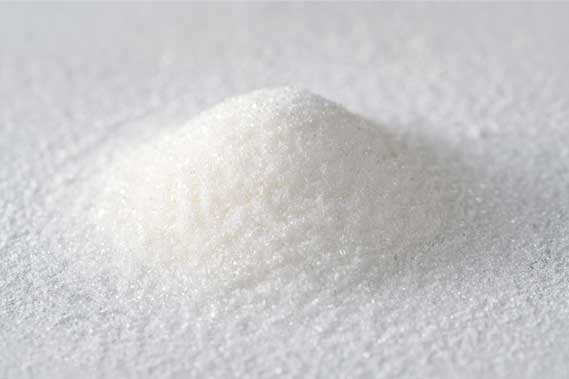
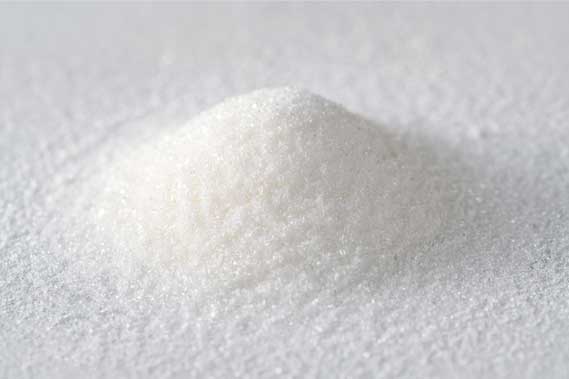
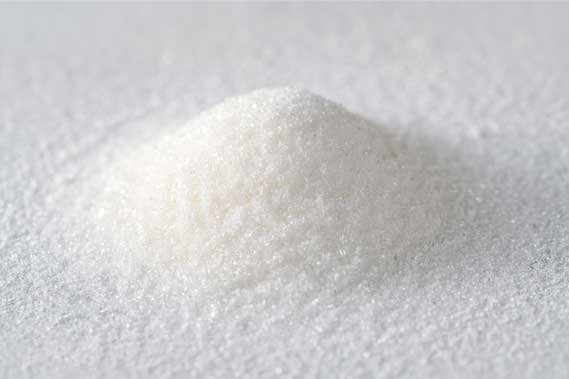
Product Description
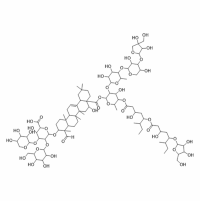
| Product name | SM-102 |
| Chemical name | 9-Heptadecanyl 8-{(2-hydroxyethyl)[6-oxo-6-(undecyloxy)hexyl]amino}octanoate |
| CAS No. | 2089251-47-6 |
| EINECS registration Number | / |
| CDE Record registration Number | / |
| FDA DMF Number | / |
| Grade | Injection |
| Quality standards | manufacturer's standard |
| Molecular formula | C44H87NO5 |
| Content determination | ≧95% |
| Molecular weight | 710.2 |
| Product Code | O02010 |
| Available Package Sizes | 1g; 5g |
AI Product Description
*The following content is generated by AI and is for reference only.
SM-102 is a critical ionizable cationic lipid widely recognized for its pivotal role in modern mRNA vaccine technology. Chemically, it is identified by the CAS number 1945786-32-6 and possesses the molecular formula C47H84N2O2. This molecule features a unique structure comprising an amine head group, a linker region, and unsaturated hydrocarbon tails, which are specifically engineered to optimize delivery efficiency while minimizing toxicity.
The primary application of SM-102 lies in the formulation of lipid nanoparticles (LNPs) designed to encapsulate nucleic acids, such as messenger RNA (mRNA). In this capacity, it serves as a non-viral vector that protects fragile genetic payloads from enzymatic degradation in the bloodstream. Upon entering target cells via endocytosis, the ionizable nature of SM-102 allows it to remain neutral at physiological pH, thereby reducing systemic immune reactions and cytotoxicity. However, within the acidic environment of the endosome, the lipid becomes protonated, facilitating membrane fusion and the subsequent release of the mRNA cargo into the cytoplasm. This mechanism ensures efficient translation of the genetic code into therapeutic proteins.
Due to its superior performance profile compared to earlier generations of lipids, SM-102 has become a cornerstone ingredient in several groundbreaking commercial vaccines, including those developed against infectious diseases like COVID-19. Its ability to achieve high transfection efficiency with low dosages makes it highly valuable for both prophylactic vaccines and emerging therapeutic applications, ranging from cancer immunotherapy to rare genetic disorder treatments. Furthermore, ongoing research continues to explore its potential in delivering other types of nucleic acids, such as siRNA and DNA, broadening its utility across the biopharmaceutical landscape. As the field of nucleic acid therapeutics expands, SM-102 remains a benchmark compound for developing next-generation delivery systems that balance efficacy, safety, and manufacturability for global health challenges.





 (All Rights Reserved)