Product Description
DSPA Distearoyl phosphatidic acid|108321-18-2-AVT (Shanghai) Pharmaceutical Tech Co., Ltd.
1、English name:Distearoyl phosphatidic acid
2、Product name: DSPA
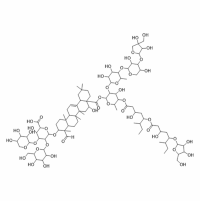
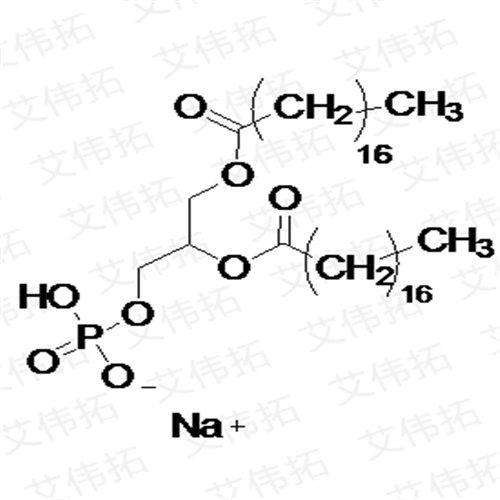
3、Chemical name: 1,2-Distearoyl-sn-glycero-3-phosphate, sodium salt
4、CAS No. 108321-18-2
5、Level: Medical reagent grade
6、Manufacture:Made in Switzerland
7、Molecular weight: 726.99
8、Molecular formula: C39H76O8PNa
9、purity:99%
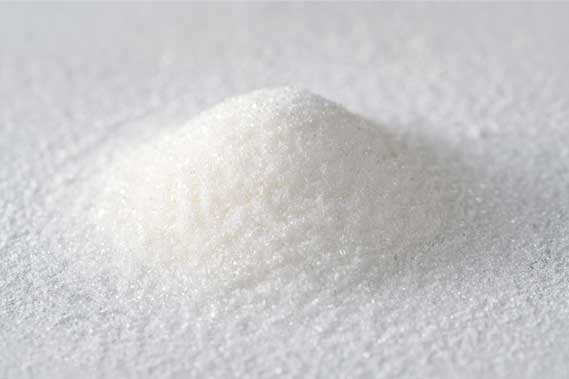
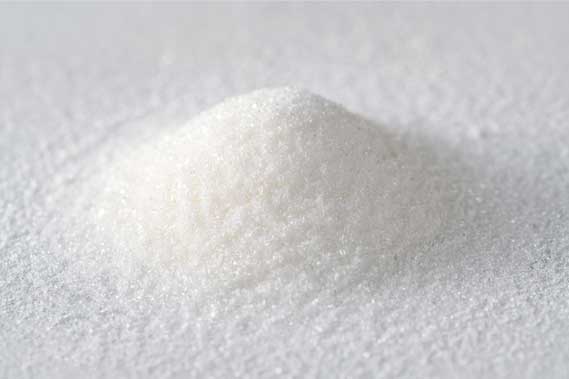
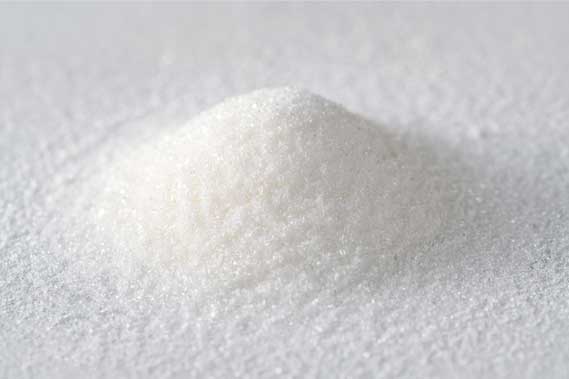
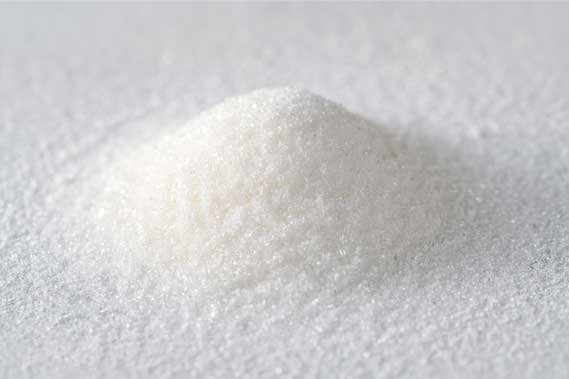
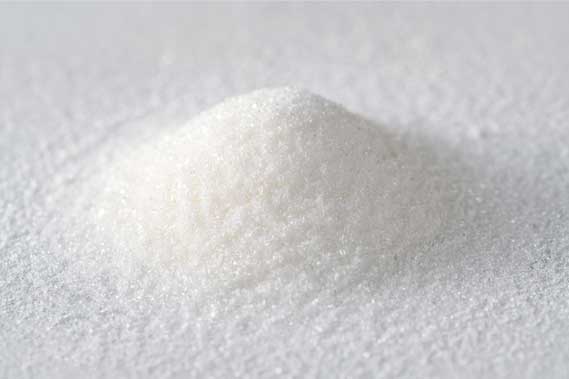
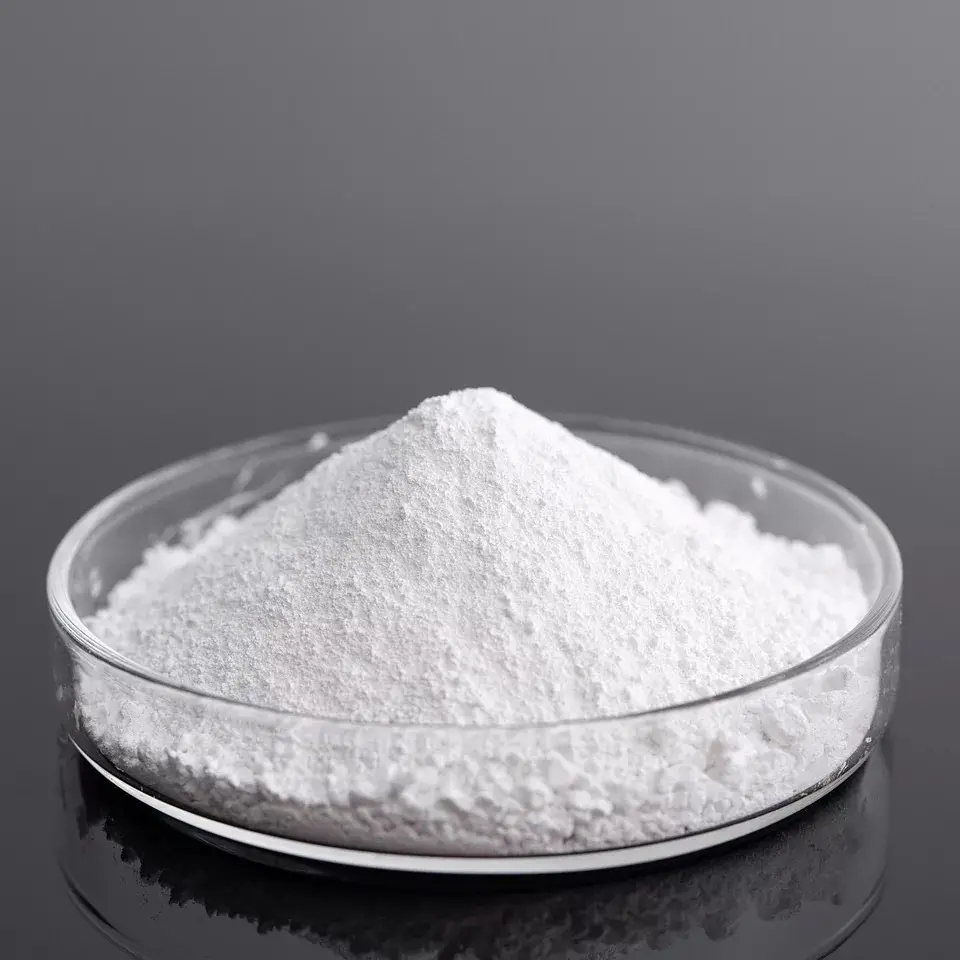
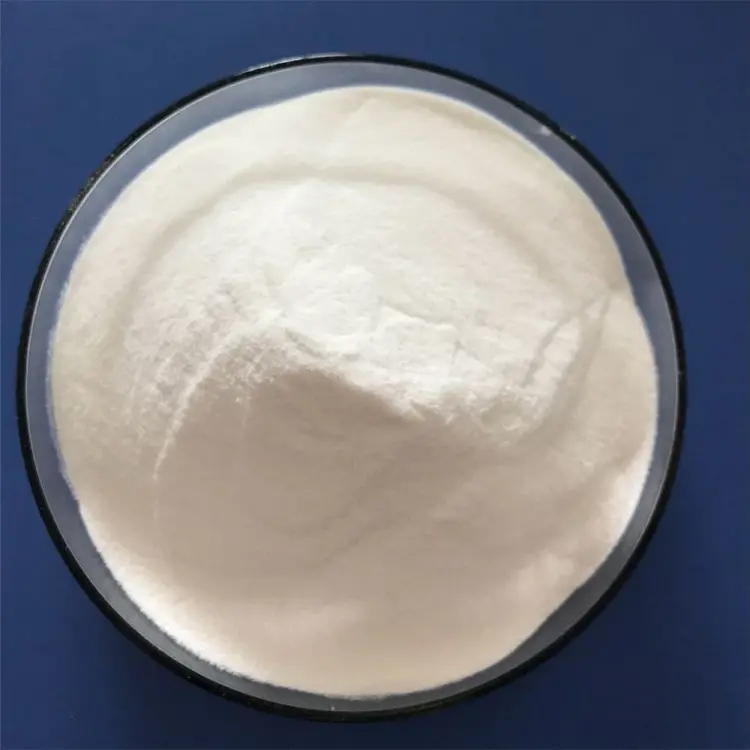
10、Product characteristics:white powder
11、Storage conditions:Below -15℃
AI Product Description
*The following content is generated by AI and is for reference only.
DSPA, chemically known as Distearoyl Phosphatidic Acid, is a specialized synthetic phospholipid widely utilized in advanced cosmetic formulations and pharmaceutical applications. With the molecular formula C41H80NO8P and a CAS registry number of 56927-63-4, this compound serves as a critical functional ingredient in modern skincare technology. Structurally, DSPA consists of two stearic acid chains esterified to a glycerol backbone, which is further linked to a phosphate group. This unique architecture endows the molecule with exceptional emulsifying, stabilizing, and film-forming capabilities, making it indispensable for creating high-performance delivery systems.
In the cosmetics industry, DSPA is primarily valued for its ability to stabilize oil-in-water emulsions without the need for traditional surfactants that may irritate sensitive skin. Its amphiphilic nature allows it to effectively bridge water and oil phases, ensuring long-term product stability even under varying temperature conditions. Furthermore, DSPA acts as a potent penetration enhancer, facilitating the deeper absorption of active ingredients such as vitamins, antioxidants, and anti-aging compounds into the epidermis. This property significantly boosts the efficacy of serums, creams, and lotions, allowing manufacturers to formulate products with lower concentrations of expensive actives while maintaining superior results.
Beyond personal care, DSPA finds application in drug delivery systems where controlled release and biocompatibility are paramount. Its biodegradable nature and low toxicity profile make it an ideal candidate for encapsulating therapeutic agents, improving their solubility and bioavailability. Additionally, researchers utilize DSPA in lipid nanoparticle technologies for gene therapy and vaccine development due to its capacity to form stable vesicular structures. The versatility of DSPA extends to industrial lubricants and surface coatings, where its film-forming properties provide durability and protection against environmental stressors. As the demand for sustainable, high-efficacy ingredients grows, DSPA stands out as a versatile solution that bridges the gap between performance and safety. Its continued integration into diverse sectors underscores its importance as a foundational building block in the formulation of next-generation products designed to meet rigorous quality standards and consumer expectations for gentle yet powerful solutions.





 (All Rights Reserved)