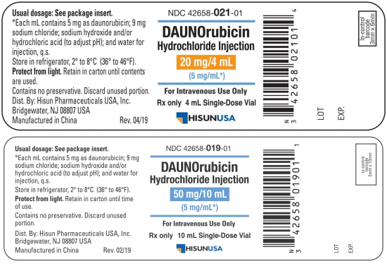
Product Description
Daunorubicin hydrochloride is approved to be used with other drugs as remission induction therapy to treat:
• Acute lymphoblastic leukemia in adults and children.
• Acute myeloid leukemia in adults.
It is also being studied in the treatment of other types of cancer.
AI Product Description
*The following content is generated by AI and is for reference only.
Daunorubicin Hydrochloride Injection is a potent anthracycline antineoplastic antibiotic derived from the bacterium *Streptomyces coeruleorubidus*. Primarily indicated for the treatment of acute non-lymphocytic leukemia (ANLL) and acute lymphoblastic leukemia (ALL), it is frequently administered as part of combination chemotherapy regimens. The drug functions by intercalating into DNA strands, thereby inhibiting topoisomerase II and preventing DNA replication and RNA synthesis, which ultimately triggers apoptosis in rapidly dividing malignant cells. Due to its high efficacy, it is often used in induction therapy to achieve remission in newly diagnosed patients.
However, Daunorubicin carries a significant risk profile requiring strict clinical monitoring. The most critical adverse effect is dose-dependent cardiotoxicity, which can manifest as acute arrhythmias or chronic, irreversible congestive heart failure. Consequently, cumulative lifetime dosage limits are strictly enforced, and baseline cardiac function must be assessed before initiating therapy. Extravasation during intravenous administration can cause severe local tissue necrosis and sloughing; therefore, it must be injected into a freely flowing line with careful attention to vein patency. Other common side effects include profound myelosuppression, leading to increased susceptibility to infections, anemia, and bleeding. Gastrointestinal disturbances such as nausea, vomiting, and stomatitis are also frequent.
Patients receiving this medication require comprehensive supportive care, including hydration and antiemetic prophylaxis. Special caution is advised for individuals with pre-existing liver dysfunction, as metabolism may be impaired. Furthermore, the drug is a known mutagen and teratogen, necessitating rigorous contraception for both male and female patients during and after treatment. Healthcare providers must handle the solution with appropriate personal protective equipment due to its hazardous nature. While highly effective against specific hematologic malignancies, the narrow therapeutic index of Daunorubicin Hydrochloride Injection demands precise dosing calculations based on body surface area and vigilant management of potential toxicities to ensure patient safety and optimal clinical outcomes.





 (All Rights Reserved)