Product Description
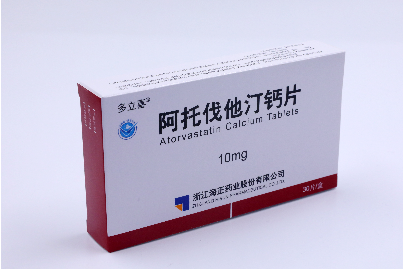
Treatment of elevated cholesterol;
Prevention of cardiovascular events in hypertensive patients and diabetes mellitus type II patients with multiple risk factors for cardiovascular disease, Treatment of concomitant angina and dyslipidaemia, Treatment of concomitant hypertension and dyslipidaemia.
AI Product Description
*The following content is generated by AI and is for reference only.
Atorvastatin Calcium Tablets are a widely prescribed medication belonging to the statin class of drugs, primarily used to manage cholesterol levels and reduce the risk of cardiovascular events. The active ingredient, atorvastatin calcium, functions by inhibiting HMG-CoA reductase, an enzyme crucial for cholesterol synthesis in the liver. By blocking this pathway, the drug effectively lowers low-density lipoprotein (LDL) cholesterol and triglycerides while modestly increasing high-density lipoprotein (HDL) cholesterol. Consequently, it is indicated for patients with hyperlipidemia, mixed dyslipidemia, or those at high risk for heart attack, stroke, and other serious heart conditions due to coronary artery disease.
The primary goal of therapy is to slow the progression of atherosclerosis and prevent fatal cardiac outcomes. Patients typically take one tablet daily, usually in the evening, though flexibility exists as long as dosing remains consistent. It is often part of a comprehensive treatment plan that includes a heart-healthy diet, regular exercise, and weight management. However, several critical precautions must be observed. Individuals with active liver disease or unexplained persistent elevations in liver enzymes should not use this medication. Pregnant women, nursing mothers, and those planning pregnancy must avoid it due to potential fetal harm.
Common side effects may include muscle pain, weakness, or digestive issues like nausea and constipation. A rare but serious condition known as rhabdomyolysis, involving severe muscle breakdown that can lead to kidney failure, requires immediate medical attention if symptoms such as unexplained muscle tenderness occur. Additionally, grapefruit juice should be consumed in moderation as it can interfere with drug metabolism, potentially increasing toxicity risks. Regular monitoring of liver function tests and lipid profiles is essential during treatment. Patients should inform their healthcare provider of all current medications to avoid dangerous drug interactions, particularly with certain antibiotics, antifungals, and immunosuppressants. Adherence to prescribed guidelines ensures optimal therapeutic benefits while minimizing adverse reactions.










 (All Rights Reserved)