Product Description
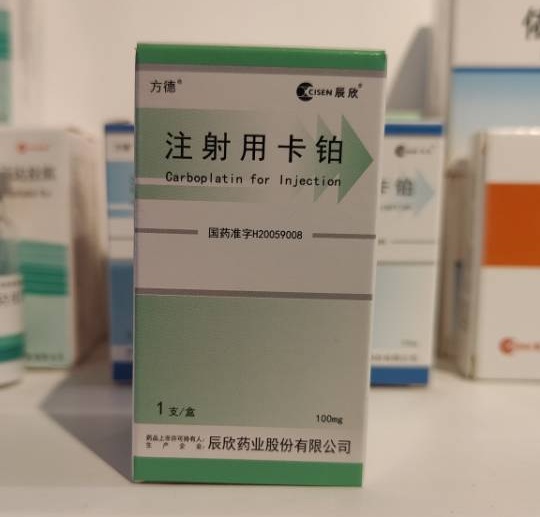
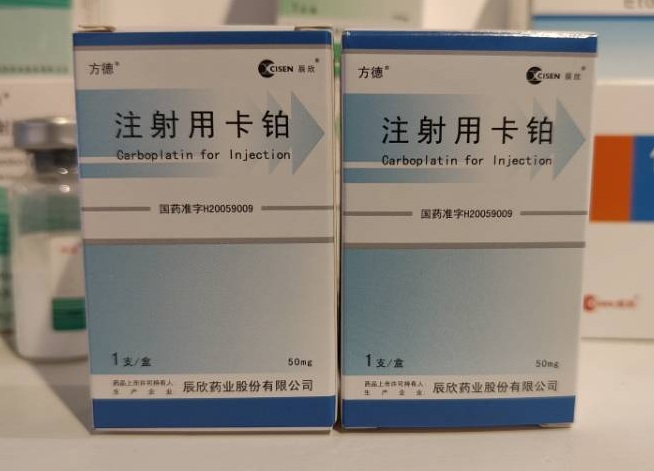
Carbatin for injection is the second generation of platinum-based anti-tumor drug, which has certain curative effect on ovarian cancer, small cell lung cancer, non-small cell lung cancer, head and neck squamous cell cancer, esophageal cancer, testicular cancer, seminoma, bladder cancer, mesothelioma and pediatric brain tumor.This product is a cycle non-specific antitumor drug that acts directly on DNA, thereby inhibiting tumor cells that divide vigorously.
Specification: 50mg/100mg
AI Product Description
*The following content is generated by AI and is for reference only.
Carboplatin for injection is a potent chemotherapy agent belonging to the platinum-based antineoplastic class, widely utilized in oncology to treat various forms of cancer. Its primary mechanism involves forming DNA cross-links that inhibit replication and transcription, ultimately triggering apoptosis in rapidly dividing malignant cells. Clinically, it serves as a first-line treatment for advanced ovarian carcinoma, often administered in combination with other agents like paclitaxel. It is also indicated for non-small cell lung cancer, head and neck cancers, and certain pediatric malignancies. The drug is typically supplied as a sterile, lyophilized powder that must be reconstituted and diluted with 0.9% Sodium Chloride Injection before intravenous infusion.
Administration requires strict adherence to medical protocols due to its significant toxicity profile. The most critical adverse effect is myelosuppression, manifesting as thrombocytopenia, neutropenia, and anemia; therefore, regular monitoring of complete blood counts is mandatory prior to each dose. Renal function must be carefully assessed, as carboplatin is primarily excreted by the kidneys, and dosage adjustments are necessary for patients with impaired creatinine clearance. Hypersensitivity reactions, including anaphylaxis, can occur, necessitating immediate availability of emergency resuscitation equipment during infusion. Patients should be advised to report signs of infection, unusual bleeding, or persistent nausea promptly.
Contraindications include severe hypersensitivity to carboplatin or other platinum-containing compounds, as well as patients with baseline bone marrow suppression. Caution is required when administering to pregnant women due to potential fetal harm, and breastfeeding should be discontinued during therapy. Common side effects beyond hematologic issues include alopecia, nausea, vomiting, peripheral neuropathy, and ototoxicity. To minimize infusion-related reactions, premedication with antiemetics is standard practice. Due to its vesicant properties, extravasation must be avoided, and any leakage at the injection site requires immediate intervention. Ultimately, Carboplatin for injection represents a cornerstone in modern cancer therapy, offering substantial survival benefits when managed within a rigorous clinical safety framework under the supervision of qualified healthcare professionals.





 (All Rights Reserved)