Product Description
Pharmaceutical Intermediates
AI Product Description
*The following content is generated by AI and is for reference only.
D-Proline, chemically known as (S)-pyrrolidine-2-carboxylic acid, is a significant non-standard amino acid and the enantiomer of the naturally occurring L-proline. Its molecular formula is C5H9NO2, with a precise molecular weight of approximately 115.13 g/mol. The compound is identified by the CAS number 4807-65-6. Unlike its L-isomer which is ubiquitous in biological protein synthesis, D-proline does not typically participate in standard ribosomal protein formation but plays crucial roles in specific biochemical pathways and synthetic applications.
In the pharmaceutical industry, D-proline serves as a vital chiral building block for the synthesis of complex drug molecules. It is frequently employed in the development of peptidomimetics, which are designed to mimic peptide structures while offering enhanced metabolic stability and bioavailability. Notably, it acts as a key intermediate in the production of various antibiotics and antiviral agents. The unique stereochemistry of D-proline allows medicinal chemists to engineer molecules with distinct three-dimensional shapes, optimizing their interaction with biological targets such as enzymes and receptors.
Beyond medicine, D-proline finds extensive application in the field of asymmetric catalysis. As an organocatalyst, it facilitates enantioselective reactions, enabling the efficient production of single-enantiomer compounds essential for high-value chemical manufacturing. This capability is particularly valuable in fine chemical synthesis where purity and specific optical activity are paramount. Furthermore, research into D-proline continues to expand its utility in material science, contributing to the creation of novel functional polymers and supramolecular assemblies.
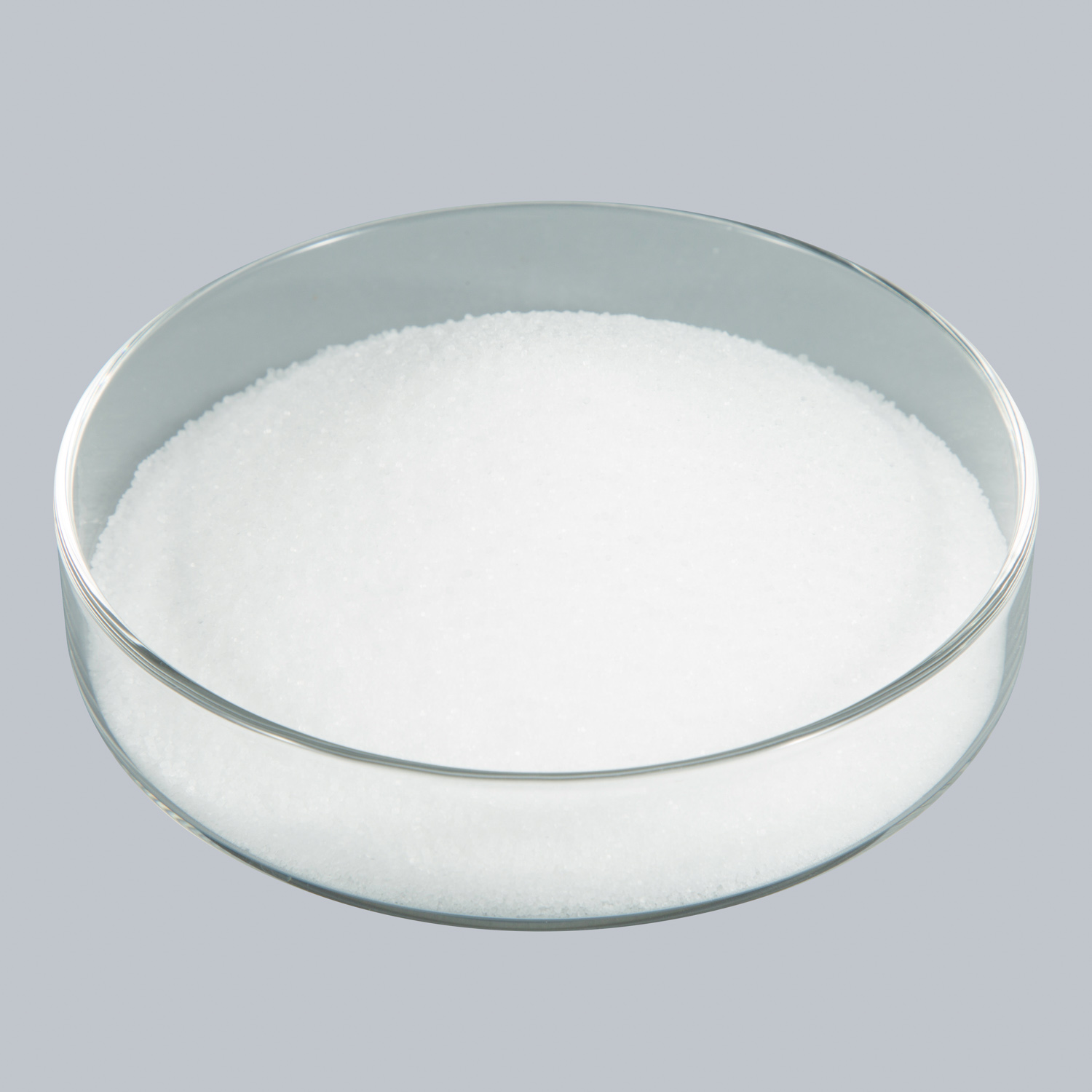
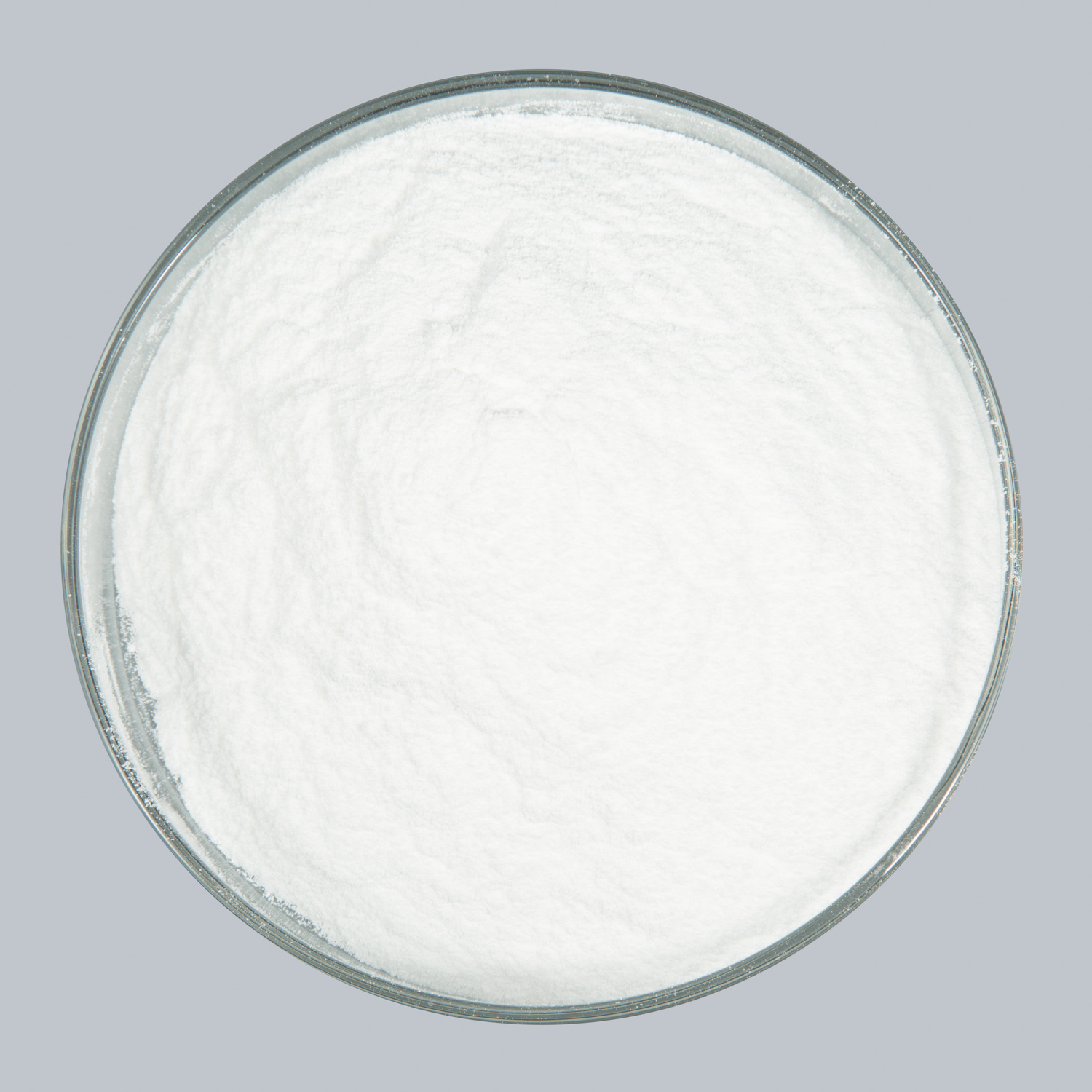
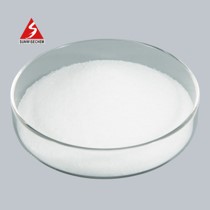
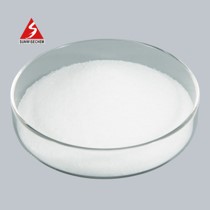
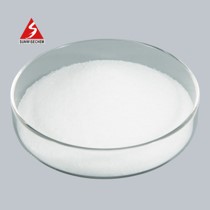
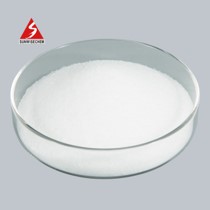
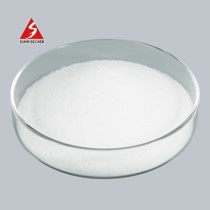
The compound generally appears as a white crystalline powder or solid, exhibiting high solubility in water and polar organic solvents. While stable under standard conditions, it requires proper storage away from moisture and light to maintain integrity. Its availability from commercial suppliers has made it accessible for both academic research and industrial scale-up processes. As the demand for stereoselective synthesis grows, D-proline remains a cornerstone reagent, bridging the gap between fundamental organic chemistry and advanced therapeutic innovation. Its versatility underscores its importance in modern chemical sciences, driving progress across multiple sectors requiring precise molecular engineering.





 (All Rights Reserved)
![4-[[[[6-[(Diethylamino)methyl]-2-naphthalenylmethoxy]carbonyllaminolbenzoic acid](https://eimg.pharmasources.com/image/20241206/xJCFsdgfMrHzqjtgeOixhGQHgVbKi7kAcoEqemzE.jpg)