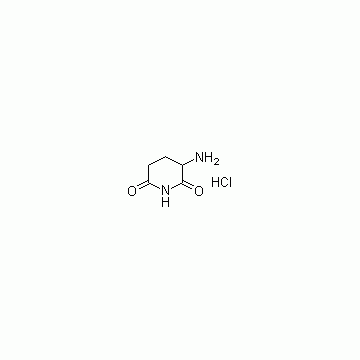
Product Description
Pharmaceutical Intermediates
AI Product Description
*The following content is generated by AI and is for reference only.
D-Phenylalanine is a non-proteinogenic amino acid and the D-enantiomer of phenylalanine, a fundamental building block in biochemistry. With the chemical formula C9H11NO2 and a molecular weight of approximately 165.19 g/mol, this optically active compound features a chiral center that distinguishes it from its more common L-isomer counterpart. The specific stereochemistry of D-phenylalanine grants it unique biological properties, as it does not participate in standard protein synthesis pathways found in most organisms. Its primary identification number is CAS 3708-60-5, which serves as a critical reference for regulatory compliance and laboratory safety data sheets globally.
The applications of D-phenylalanine are diverse and scientifically significant. In the pharmaceutical industry, it is primarily utilized as a precursor for synthesizing various analgesic agents. Notably, it plays a key role in the production of D-Phe-containing peptides that act as opioid receptor modulators, offering potential therapeutic benefits for pain management without the severe side effects associated with traditional opioids. Furthermore, research indicates its involvement in the regulation of neurotransmitter levels, particularly dopamine and norepinephrine, suggesting utility in managing mood disorders and enhancing cognitive function.
Beyond medicine, D-phenylalanine finds use in agricultural chemistry as a component in the development of selective herbicides and plant growth regulators. It also serves as a valuable chiral building block in organic synthesis, aiding chemists in constructing complex molecules with specific three-dimensional architectures required for advanced drug discovery. Due to its distinct optical activity, it is frequently employed in stereoselective synthesis reactions where the precise spatial arrangement of atoms dictates biological efficacy. While generally considered safe under controlled conditions, handling procedures must adhere to strict laboratory protocols to ensure user safety. As a specialized reagent, D-phenylalanine remains an essential tool for researchers exploring neurobiology, medicinal chemistry, and asymmetric synthesis, bridging the gap between basic biochemical understanding and practical clinical applications.





 (All Rights Reserved)
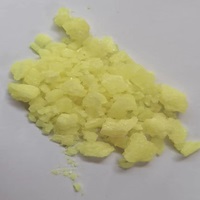
![4-[[[[6-[(Diethylamino)methyl]-2-naphthalenylmethoxy]carbonyllaminolbenzoic acid](https://eimg.pharmasources.com/image/20241206/xJCFsdgfMrHzqjtgeOixhGQHgVbKi7kAcoEqemzE.jpg)