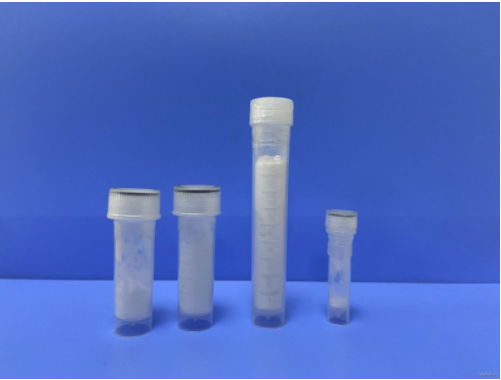
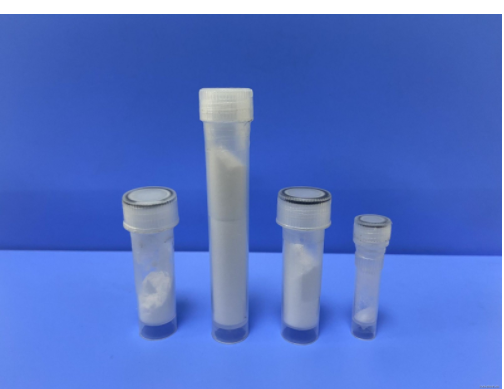
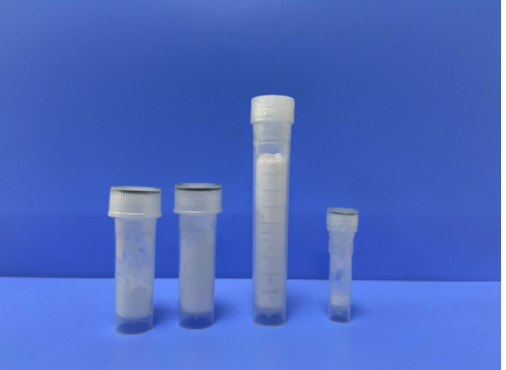
Brand: Gutuo Appearance: white solid Storage: shading, cool and dry, sealed and stored Purity: ≥99% Main use: pharmaceutical intermediates Executive standard: enterprise standard Specification: 25kg/barrel or 1kg/bag (subject to customer requirements) Sales scope: nationwide
*The following content is generated by AI and is for reference only.
D-Alanine methyl ester hydrochloride is a specialized chiral building block widely utilized in organic synthesis and pharmaceutical research. With the CAS number 2189-73-5, this compound serves as a critical precursor for the production of various bioactive molecules, particularly peptides and antibiotics. Its chemical formula is C4H10ClNO2, reflecting its structure as the hydrochloride salt of D-alanine methyl ester. The presence of the methyl ester group enhances lipophilicity compared to free amino acids, facilitating membrane permeability and improving reactivity in coupling reactions.
This reagent is predominantly employed in the solid-phase peptide synthesis (SPPS) and solution-phase synthesis strategies to construct complex polypeptide chains with specific stereochemistry. Because it provides the D-enantiomer of alanine, it is indispensable for synthesizing D-peptides, which exhibit superior stability against proteolytic degradation compared to their L-counterparts. This property makes D-alanine derivatives valuable candidates for developing novel therapeutic agents, including antimicrobial peptides and enzyme inhibitors. Furthermore, the hydrochloride form ensures high solubility in polar organic solvents like methanol or ethanol, simplifying handling and purification processes in laboratory settings.
In the broader context of medicinal chemistry, D-Alanine methyl ester hydrochloride supports the development of peptidomimetics designed to target specific biological pathways. Researchers leverage its predictable reactivity to introduce steric constraints or modify side-chain functionalities during multi-step syntheses. While primarily a synthetic intermediate, its role extends to material science applications where chiral polymers are required. Safety protocols mandate careful handling due to potential irritation from the hydrochloride moiety, though it remains a standard, commercially available reagent for academic and industrial laboratories. As demand grows for stereoselective synthesis in drug discovery, this compound continues to be an essential tool for chemists aiming to create precise molecular architectures with enhanced biological efficacy and metabolic stability.





 (All Rights Reserved)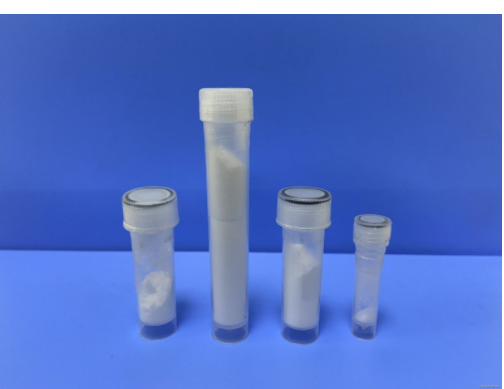


![4-[[[[6-[(Diethylamino)methyl]-2-naphthalenylmethoxy]carbonyllaminolbenzoic acid](https://eimg.pharmasources.com/image/20241206/xJCFsdgfMrHzqjtgeOixhGQHgVbKi7kAcoEqemzE.jpg)