Indications and Dosage:
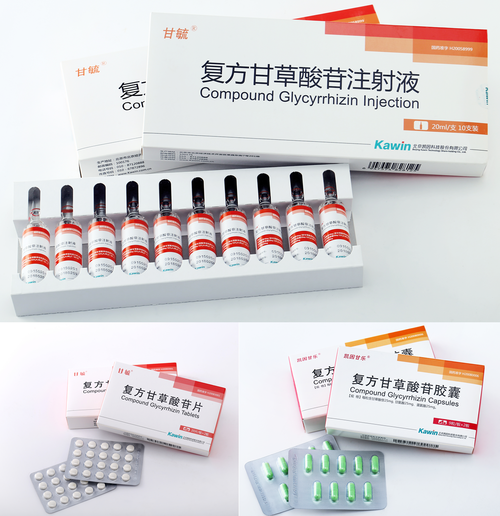
It is indicated for treatment of chronic liver disease and to improve liver function abnormalities. It can be used for treatment of eczema, dermatitis and alopecia areata.
Strength for caps.:
Each capsule contains glycyrrhizin 25mg, glycine 25mg and methionine 25mg.
Strength for tabs.:
Each tablet contains 25mg glycyrrhizin (equivalent to 25.52mg glycyrrhizin monoammonium salt), 25mg glycine and 25mg methionine.
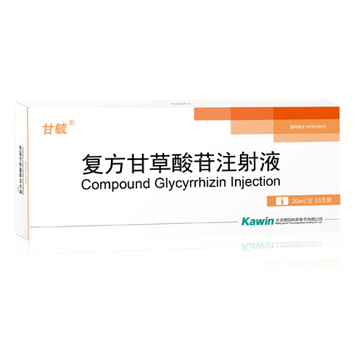
Strength for Inj.:
20ml
*The following content is generated by AI and is for reference only.
Compound Glycyrrhizin, available in injectable, tablet, and capsule formulations, is a widely utilized pharmaceutical preparation derived from the root of *Glycyrrhiza glabra* (licorice). Its primary active component is glycyrrhizic acid, often administered as its sodium or ammonium salt to enhance solubility and bioavailability. The molecular formula for glycyrrhizic acid is C42H62O16, with a corresponding CAS number of 1405-86-3. This compound acts as a potent anti-inflammatory and hepatoprotective agent, making it a cornerstone therapy in managing various liver disorders globally, particularly in East Asia.
The therapeutic applications of Compound Glycyrrhizin are extensive. It is primarily indicated for the treatment of chronic hepatitis, including viral hepatitis B and C, as well as drug-induced liver injury. By inhibiting inflammatory mediators such as prostaglandins and leukotrienes, it effectively reduces hepatic inflammation and lowers elevated serum transaminase levels. Furthermore, it exhibits immunomodulatory properties that help stabilize cell membranes and prevent further hepatocellular damage. The availability of multiple dosage forms allows for flexible clinical management: injections provide rapid onset for acute exacerbations, while tablets and capsules offer convenient long-term maintenance therapy for chronic conditions.
Safety profiles generally indicate good tolerability, though prolonged high-dose usage may lead to pseudohyperaldosteronism, characterized by hypertension, hypokalemia, and edema due to mineralocorticoid-like effects. Consequently, medical supervision is essential during extended treatment courses. Beyond liver protection, research suggests potential benefits in treating allergic dermatitis and autoimmune conditions, although these remain secondary indications. As a standardized herbal extract, Compound Glycyrrhizin bridges traditional medicine and modern pharmacology, offering a reliable solution for preserving liver function and mitigating inflammatory responses. Its role in reducing oxidative stress and supporting cellular repair mechanisms underscores its value in comprehensive hepatological care protocols worldwide.



 (All Rights Reserved)