Product Description
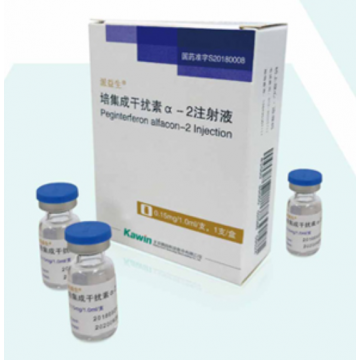
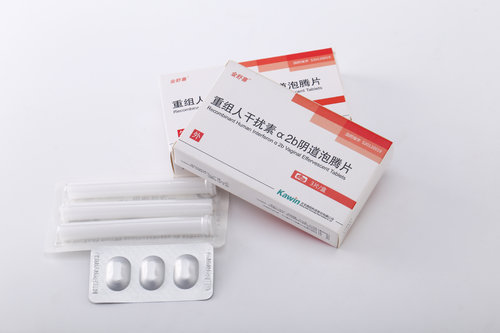
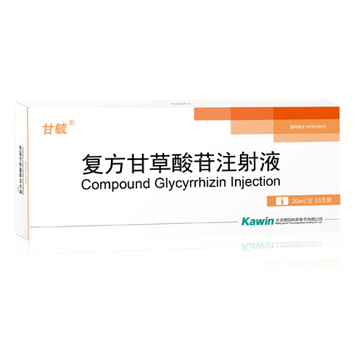
Three formulations available: Injection, Tablets and Capsules.
INDICATIONS
It is indicated for the treatment of chronic hepatitis and for the improvement of hepatic dysfunction. It can be used to treat eczema, dermatitis, urticaria.
SPECIFICATION
20ml: glycyrrhizin 40mg (equivalent to pure potenline: 40.83mg), cysteine hydrochloride 20mg (calculated by C3H7NO2S·HCL), glycine 400mg.
AI Product Description
*The following content is generated by AI and is for reference only.
Compound Glycyrrhizin preparations, available as injections, tablets, and capsules, are widely utilized pharmaceutical products derived from licorice root extract. These formulations primarily contain glycyrrhizin combined with amino acids such as glycine and lysine to enhance therapeutic efficacy while mitigating potential side effects. The core application of these medications is the treatment of chronic liver diseases, including chronic hepatitis B and C, drug-induced liver injury, and other conditions characterized by elevated serum transaminases. By inhibiting inflammatory responses and stabilizing hepatocyte membranes, Compound Glycyrrhizin helps reduce liver enzyme levels, alleviate hepatic inflammation, and support overall liver function recovery.
The injection form is typically reserved for acute or severe cases requiring rapid intervention in hospital settings, whereas tablets and capsules offer convenient oral administration for long-term maintenance therapy. Clinical studies suggest that these agents possess anti-inflammatory, antiviral, and immunomodulatory properties, making them a valuable adjunct in comprehensive liver disease management protocols. However, their use requires strict medical supervision due to the pharmacological activity of glycyrrhizin. A primary safety concern is pseudoaldosteronism, which may manifest as hypertension, hypokalemia, edema, and weight gain if used excessively or in susceptible individuals. Consequently, patients with a history of heart failure, kidney dysfunction, or uncontrolled hypertension should exercise extreme caution.
Regular monitoring of blood pressure and serum electrolyte levels is essential during prolonged treatment courses. Dosage adjustments may be necessary based on individual patient response and tolerance. While generally well-tolerated when used correctly, abrupt discontinuation after long-term high-dose therapy can sometimes lead to rebound symptoms, necessitating a gradual tapering approach under physician guidance. Additionally, potential drug interactions with corticosteroids, diuretics, and antihypertensives must be evaluated before initiation. This product serves as a critical tool in hepatology but demands adherence to prescribed regimens to maximize benefits and minimize risks associated with mineralocorticoid excess. Always consult healthcare professionals before starting or altering any treatment plan involving Compound Glycyrrhizin.





 (All Rights Reserved)