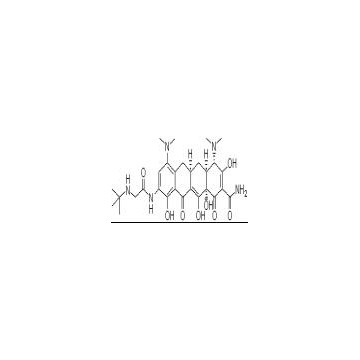
Product Description
AI Product Description
*The following content is generated by AI and is for reference only.
Calcipotriol, chemically known as calcipotriene, is a synthetic analog of vitamin D3 widely utilized in dermatological therapy. Its molecular formula is C27H40O3, and it carries the CAS registry number 135469-87-3. This compound functions primarily by binding to vitamin D receptors within skin cells, thereby regulating cell proliferation and differentiation while exerting potent anti-inflammatory effects. These mechanisms make it a cornerstone treatment for mild to moderate plaque psoriasis, a chronic autoimmune condition characterized by rapid skin cell turnover and scaling.
In clinical practice, Calcipotriol is most commonly formulated as topical ointments, creams, or solutions, often applied once or twice daily directly to affected areas. The drug effectively reduces the thickness of psoriatic plaques, diminishes erythema (redness), and alleviates scaling without causing significant systemic absorption when used as directed. Due to its high specificity for local skin action, it generally presents a favorable safety profile compared to systemic therapies or potent corticosteroids, which carry risks of skin atrophy and adrenal suppression with long-term use. However, caution is advised regarding potential hypercalcemia if excessive amounts are applied over large body surface areas, particularly in patients with pre-existing calcium metabolism disorders.
Beyond monotherapy, Calcipotriol is frequently combined with topical corticosteroids like betamethasone dipropionate in fixed-dose combinations. This synergistic approach enhances therapeutic efficacy, allowing for faster clearance of lesions and enabling lower steroid doses to minimize side effects. The combination products have become a standard of care in many international guidelines for maintaining remission in psoriasis patients. Furthermore, research continues to explore its potential applications in other hyperproliferative skin conditions, although psoriasis remains its primary indication. As a non-hormonal agent that mimics natural vitamin D pathways, Calcipotriol offers a vital tool for managing chronic skin diseases, improving patient quality of life through effective symptom control and reduced lesion visibility. Its stability and ease of application ensure widespread adoption in both hospital settings and home-based care regimens globally.




 (All Rights Reserved)







![4-[[[[6-[(Diethylamino)methyl]-2-naphthalenylmethoxy]carbonyllaminolbenzoic acid](https://eimg.pharmasources.com/image/20241206/xJCFsdgfMrHzqjtgeOixhGQHgVbKi7kAcoEqemzE.jpg)