Product Description
Boron trifluoride acetonitrile complex CAS 420-16-6
Molecular Formula: BF3 CH3CN
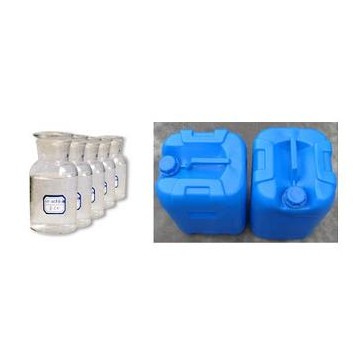
Appearance: Colorless fuming liquid
BF3 Content: >19%
Moisture:≤0.5%
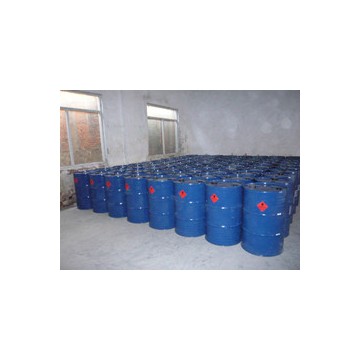
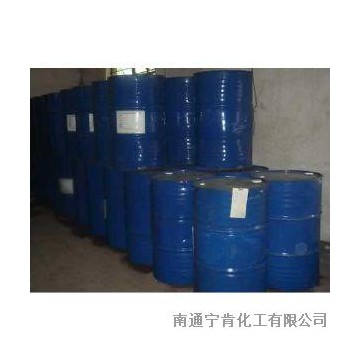
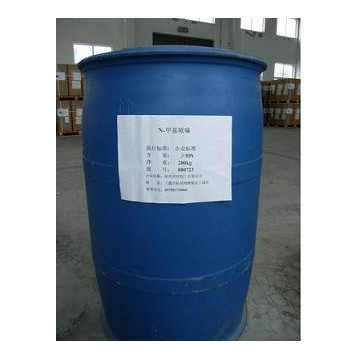
Packing: 180kg/Steel drum
Usage: intermediate
AI Product Description
*The following content is generated by AI and is for reference only.
Boron trifluoride acetonitrile complex, chemically known as the adduct between boron trifluoride and acetonitrile, is a widely utilized Lewis acid catalyst in organic synthesis. Its molecular formula is C2H3BF3N, reflecting the 1:1 stoichiometric combination of boron trifluoride (BF3) and acetonitrile (CH3CN). The compound is typically identified by the CAS number 462-75-9. Unlike anhydrous boron trifluoride gas, which is highly toxic, corrosive, and difficult to handle due to its gaseous state, this complex exists as a stable liquid or solid depending on temperature and purity, offering significantly improved safety and ease of manipulation for laboratory and industrial applications.
The primary function of this reagent stems from its strong Lewis acidity. Upon dissociation, it releases boron trifluoride, which acts as a powerful electrophilic catalyst capable of activating carbonyl groups, epoxides, and other electron-rich centers. This property makes it indispensable in various transformation reactions, including esterifications, etherifications, polymerizations, and Friedel-Crafts alkylations and acylations. It is particularly valued in the synthesis of pharmaceutical intermediates, agrochemicals, and fine chemicals where precise control over reaction conditions is required. The acetonitrile ligand stabilizes the boron center, allowing for controlled release of the active BF3 species, thereby reducing side reactions often associated with uncontrolled gas evolution.
In industrial settings, the complex serves as a crucial component in the production of high-performance polymers and resins. Its stability allows for storage and transport without the stringent containment measures required for the pure gas. Furthermore, it is frequently employed in the preparation of organoboron compounds and as a catalyst in the dehydration of alcohols. While effective, handling requires standard precautions against moisture sensitivity, as water can hydrolyze the complex to form boric acid and release hydrogen fluoride. Overall, Boron trifluoride acetonitrile complex represents a versatile and essential tool for modern synthetic chemistry, bridging the gap between the reactivity of BF3 and the practicality of liquid-phase processing.





 (All Rights Reserved)

![5,6,7,7a-Tetrahydro thieno[3,2-c]pyridin-2(4H)-one Hydrochloride](https://eimg.pharmasources.com/img_Cphi_en/Product/2016_02/Mimg_1602021058457992.jpg)