Product Description
AI Product Description
*The following content is generated by AI and is for reference only.
4-Bromo-N,N-dimethylaniline, also known as 4-bromo-N,N-dimethylaniline or p-bromo-N,N-dimethylaniline, is a vital organic intermediate widely utilized in the pharmaceutical and agrochemical industries. With the molecular formula C8H10BrN and a molecular weight of approximately 214.08 g/mol, this compound features a benzene ring substituted with a bromine atom at the para position and a dimethylamino group. Its distinctive chemical structure makes it an essential building block for synthesizing complex heterocyclic compounds and dyes.
The primary application of 4-Bromo-N,N-dimethylaniline lies in the production of pharmaceutical agents. It serves as a key precursor in the synthesis of various antihistamines, anti-inflammatory drugs, and local anesthetics. The presence of the bromine atom allows for further functionalization through cross-coupling reactions, such as Suzuki or Heck couplings, enabling chemists to attach diverse aromatic systems efficiently. This versatility facilitates the development of novel drug candidates with improved therapeutic profiles.
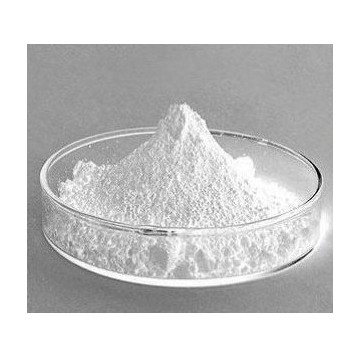
In the agrochemical sector, this reagent is instrumental in creating fungicides and herbicides. Researchers utilize its reactive sites to construct molecules that target specific pest enzymes or disrupt biological pathways in weeds. Furthermore, due to its conjugated system, it finds niche applications in the manufacturing of optical brighteners and fluorescent dyes used in textiles and paper industries. The compound typically appears as a pale yellow to brown crystalline solid or liquid, depending on purity and temperature conditions, and possesses a characteristic amine odor.
Safety protocols are crucial when handling this substance, as it may be harmful if swallowed, inhaled, or absorbed through the skin. It can cause serious eye irritation and is suspected of causing cancer based on animal studies involving related analogs. Proper personal protective equipment, including gloves and goggles, along with working in a well-ventilated fume hood, is mandatory during laboratory procedures. Storage should occur in a cool, dry place away from oxidizers and strong acids to prevent decomposition or hazardous reactions. As a specialized chemical, it is primarily available for research and industrial scale-up rather than direct consumer use, underscoring its role as a foundational tool in advanced chemical synthesis and material science innovation.



 Molecular Formula:C8H10NBr



 (All Rights Reserved)

![8-Oxa-1,3-diazaspiro[4.5]decane-2,4-dione](https://eimg.pharmasources.com/image/product/20250403/60fa7223d5a34f24138486ceea0ffb15jpg)
![6,8-Dioxo-5,7-diazaspiro[3.4]octane-2-carboxylic acid](https://eimg.pharmasources.com/image/product/20250403/02effeb5a7639bc84ff1f3add3c0c64fjpg)

![8,16-Diazadispiro[6.1.6.2]heptadecan-17-one](https://eimg.pharmasources.com/image/product/20250403/ca91cba8b87e53fc879f8d8764873a40jpg)
