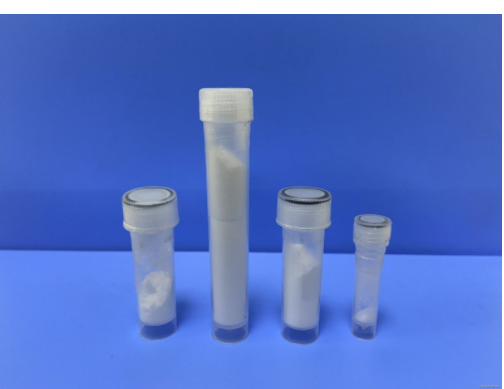
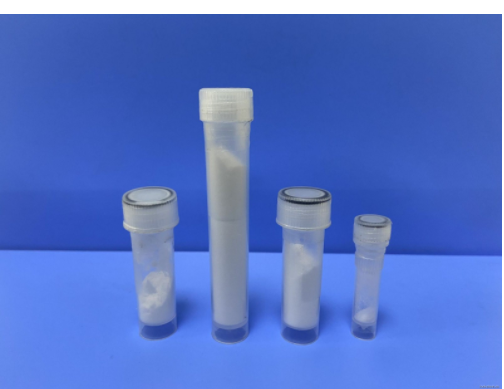
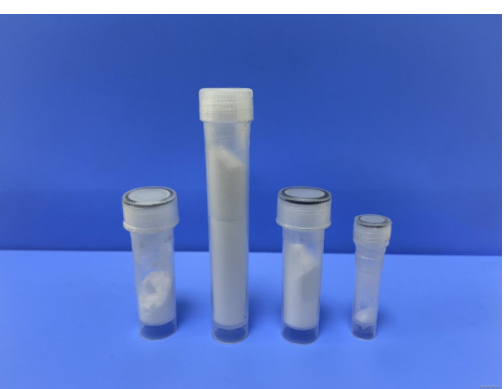
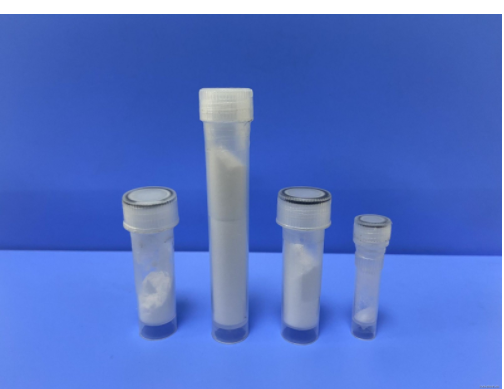
Product Description
Hangzhou Go Top Peptide Biotech Co., Ltd. is a national high-tech enterprise specializing in the research and development and production of peptides and related derivatives. It provides peptide-related custom synthesis and technology for domestic and foreign medical research and development, biotechnology, universities and scientific research institutions service. For consultation or ordering, please contact:86-571-88211951, 86-13588827304 (Cindy Mei), sales137@gotopbio.com
AI Product Description
*The following content is generated by AI and is for reference only.
Amino Methyl Polystyrene Resin is a specialized solid-phase support widely utilized in organic synthesis, particularly for the efficient production of peptides, oligonucleotides, and complex small molecules. Chemically, this material consists of a cross-linked polystyrene backbone, typically functionalized with chloromethyl groups that are subsequently reacted with ammonia or amines to introduce primary amino groups onto the polymer matrix. While it does not possess a single discrete molecular formula due to its polymeric nature, its structural repeat unit generally approximates C8H9N (for the functionalized styrene monomer) within a three-dimensional network often cross-linked with divinylbenzene. The specific CAS number varies depending on the degree of substitution and cross-linking density, but common commercial variants are associated with CAS numbers such as 25103-47-5 or similar derivatives used in resin chemistry contexts.
The primary utility of Amino Methyl Polystyrene Resin lies in its role as a robust scaffold for solid-phase synthesis. Its porous structure allows for excellent solvent penetration and reagent diffusion, ensuring high reaction kinetics and yields. In peptide synthesis, the amino group serves as an anchor point, facilitating the sequential addition of protected amino acids via standard coupling protocols like Fmoc or Boc strategies. Once the target molecule is assembled, it can be cleaved from the resin under specific acidic conditions, releasing the pure product while leaving the polymer matrix intact for potential regeneration or disposal. This versatility extends beyond peptides to include the synthesis of heterocyclic compounds, library generation for drug discovery, and the preparation of chiral catalysts. The resin exhibits remarkable chemical stability against a wide range of solvents and reagents, making it indispensable for automated synthesizers used in modern pharmaceutical research. Its mechanical strength prevents bead degradation during vigorous stirring, ensuring consistent performance across large-scale industrial applications and laboratory-scale experiments alike. Consequently, Amino Methyl Polystyrene Resin remains a cornerstone material in the development of novel therapeutics and advanced materials science.






 (All Rights Reserved)