Product Description
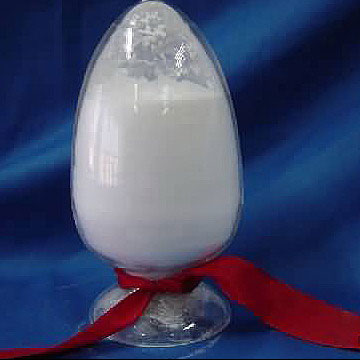
High purity of Alprostadil
AI Product Description
*The following content is generated by AI and is for reference only.
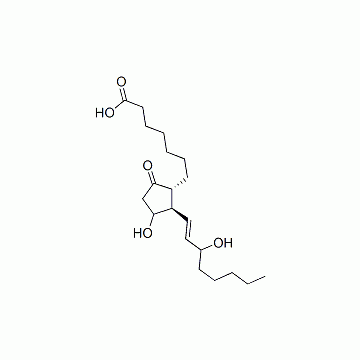
Alprostadil, chemically known as prostaglandin E1 (PGE1), is a potent vasodilator and smooth muscle relaxant widely utilized in clinical medicine. Its molecular formula is C20H34O5, and it carries the CAS Registry Number 713-33-9. As an endogenous prostaglandin derivative, Alprostadil mimics natural biological compounds to exert therapeutic effects primarily through the activation of adenylate cyclase, which increases intracellular cyclic AMP levels. This mechanism leads to the relaxation of vascular smooth muscle cells and inhibition of platelet aggregation.
The primary medical applications of Alprostadil focus on two distinct areas: pediatric cardiology and urology. In neonates with congenital heart defects, such as ductus arteriosus-dependent pulmonary or systemic blood flow, Alprostadil is administered intravenously to maintain the patency of the ductus arteriosus until surgical correction can be performed. Without this intervention, many infants would face severe hypoxia or circulatory collapse. In adult urology, Alprostadil serves as a first-line treatment for erectile dysfunction (ED). It is available in various formulations, including intraurethral suppositories (MUSE) and intracavernosal injection solutions (Caverject). When introduced directly into the penile tissue or urethra, it induces rapid arterial dilation and engorgement, facilitating erection independent of sexual stimulation.
While highly effective, Alprostadil therapy requires careful monitoring due to potential side effects. Common adverse reactions include penile pain, hypotension, flushing, and dizziness. In rare cases, prolonged erections lasting more than four hours, known as priapism, may occur, necessitating immediate medical attention to prevent permanent tissue damage. Contraindications typically include patients with anatomical penile deformities, sickle cell disease, or hypersensitivity to the drug. Overall, Alprostadil remains a critical pharmacological tool, bridging the gap between life-saving neonatal care and quality-of-life improvements for men suffering from sexual dysfunction. Its precise chemical structure allows for targeted delivery systems that maximize efficacy while minimizing systemic exposure.





 (All Rights Reserved)