Product Description
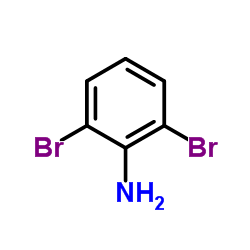
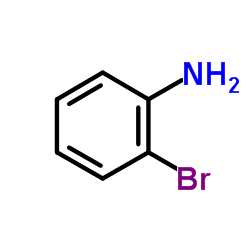
Chemical name: 2,6-dibromoaniline
Molecular formula: C₆H₅Br₂N
Molecular weight: 250.92 g/mol
Purpose:
Pharmaceutical intermediates: used for synthesizing active molecules of drugs containing bromoaromatic amine structures;
Organic synthesis: Participate in coupling and substitution reactions to construct functionalized aromatic compounds
AI Product Description
*The following content is generated by AI and is for reference only.
2,6-Dibromoaniline is a specialized organic compound widely utilized in the fields of medicinal chemistry and materials science. Its chemical formula is C₆H₅Br₂N, reflecting a benzene ring substituted with two bromine atoms at the ortho positions relative to an amino group. The substance is identified by the CAS Registry Number 103-98-4. This specific molecular architecture provides unique reactivity patterns that make it an invaluable intermediate for synthesizing complex heterocyclic structures.
In pharmaceutical research, 2,6-dibromoaniline serves as a critical building block for the development of novel bioactive agents. Chemists frequently employ it to construct indole, quinoline, and carbazole derivatives, which are known for their diverse biological activities, including anti-inflammatory, anticancer, and antimicrobial properties. The presence of the two bromine atoms facilitates efficient cross-coupling reactions, such as Suzuki or Heck couplings, allowing for the precise attachment of various functional groups to the aromatic core. This versatility accelerates the drug discovery process by enabling rapid generation of structural analogs for structure-activity relationship studies.
Beyond medicine, this compound finds applications in the production of high-performance dyes and pigments. The electron-withdrawing nature of the bromine substituents alters the electronic distribution within the molecule, influencing its colorimetric properties when incorporated into larger conjugated systems. Additionally, it acts as a precursor in the synthesis of flame retardants and specialized polymers, contributing to material stability under extreme thermal conditions. Due to its sensitivity to oxidation and potential toxicity, handling requires strict adherence to safety protocols, including the use of personal protective equipment and proper ventilation.
The global demand for 2,6-dibromoaniline remains steady, driven by continuous advancements in agrochemical formulations and fine chemical manufacturing. Suppliers typically offer this reagent in high purity grades suitable for laboratory-scale synthesis and industrial applications. As research into targeted therapies and advanced materials expands, the role of this versatile brominated aniline derivative continues to grow, cementing its status as a fundamental tool in modern synthetic chemistry.





 (All Rights Reserved)

![8,16-Diazadispiro[6.1.6.2]heptadecan-17-one](https://eimg.pharmasources.com/image/product/20250403/ca91cba8b87e53fc879f8d8764873a40jpg)
![8-Oxa-1,3-diazaspiro[4.5]decane-2,4-dione](https://eimg.pharmasources.com/image/product/20250403/60fa7223d5a34f24138486ceea0ffb15jpg)
![6,8-Dioxo-5,7-diazaspiro[3.4]octane-2-carboxylic acid](https://eimg.pharmasources.com/image/product/20250403/02effeb5a7639bc84ff1f3add3c0c64fjpg)