*The following content is generated by AI and is for reference only.
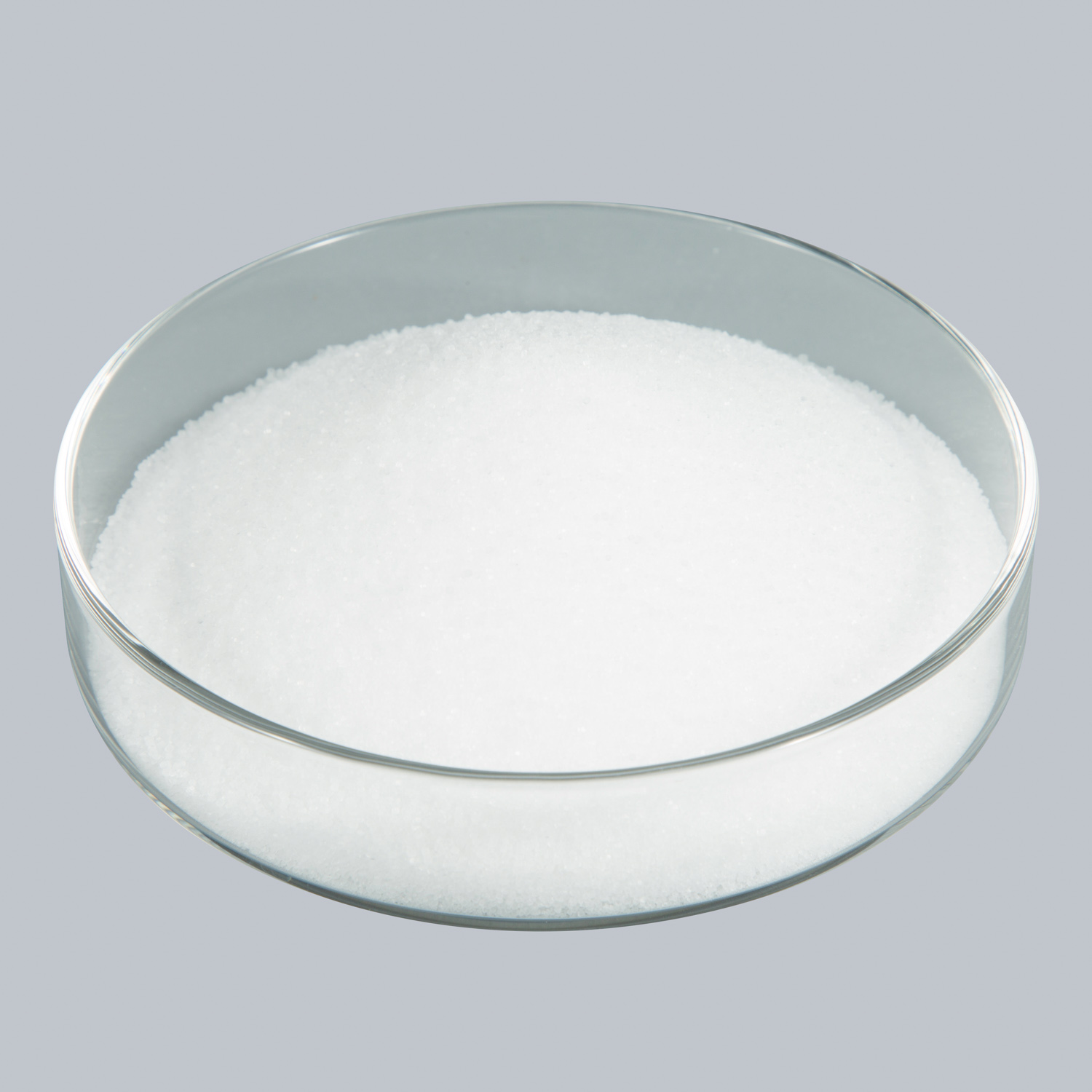
1-Bromo-3-Chloropropane, chemically identified by the CAS number 542-80-7, is a versatile halogenated organic compound with the molecular formula C₃H₅BrCl. This colorless to pale yellow liquid possesses a distinct pungent odor and serves as a critical intermediate in various synthetic chemistry applications. Structurally, it features a three-carbon propyl chain substituted with a bromine atom at the first position and a chlorine atom at the third position. The presence of two different halogens renders this molecule particularly valuable for selective nucleophilic substitution reactions, allowing chemists to introduce diverse functional groups with high precision.
The primary utility of 1-Bromo-3-Chloropropane lies in its role as a building block for pharmaceuticals, agrochemicals, and advanced materials. In medicinal chemistry, it is frequently employed to synthesize complex heterocyclic compounds, including piperazines and morpholines, which are essential scaffolds for drug development targeting neurological disorders and cardiovascular conditions. Its bifunctional nature enables the formation of cyclic structures or the extension of carbon chains through alkylation processes. Furthermore, it acts as an effective alkylating agent in the production of specialized polymers and ion-exchange resins, contributing to the manufacturing of water purification systems and industrial coatings.
Safety protocols are paramount when handling this reagent due to its potential toxicity and lachrymatory properties. It should be stored in tightly sealed containers away from light and moisture to prevent degradation. While highly reactive, proper laboratory ventilation and personal protective equipment are necessary to mitigate exposure risks associated with inhalation or skin contact. As a commodity chemical available from major global suppliers, 1-Bromo-3-Chloropropane remains indispensable for researchers and industrial manufacturers seeking efficient pathways to create value-added chemical derivatives. Its unique combination of reactivity and stability ensures continued demand across the fine chemical sector, supporting innovation in drug discovery and material science.