
According to the latest news on March 24, 2021 (last week), CanSino (688185.SH, 06185.HK) inhaled COVID-19 vaccine was approved by the National Medical Products Administration. The announcement of the company's Hong Kong, S.A.R., China Stocks research shows that the inhaled recombinant COVID-19 vaccine, also called adenovirus type 5 vector, jointly developed by the company and the Research Institute of Academy of Military Medical Sciences, has obtained the clinical trial approval from National Medical Products Administration. The previous 14-day prevention success rate of this vaccine have reached 68%, while the success rate of preventing serious diseases is as high as 95%, showing good effectiveness.
Such nasal spray can quickly realize immune protection, shorten the inoculation period, realize herd immunity in a short term. In addition, the virus will be active in the temperature of 2℃-8℃, which is favorable for nasal spray preparations. It arouses a very enthusiastic response in the market. However, looking back, its stock price falls after rise. It can be seen that the capital market raises questions about the new nasal spray preparations. So, which one will ultimately succeed among various new dosage forms of COVID-19 vaccine? To this end, I will make an analysis in this paper.
Is subcutaneous injection the only way to vaccinate?
Normally, many of us believe that the feeling of immunization is just like getting influenza vaccine: going straight to the hospitals, rolling up our sleeves and feeling a quick stabbing pain in our arms. Then we finish the vaccination of new vaccine. This is what is happening in the current vaccination. Most of the current vaccination is directly injected into the arm, because the arm muscle has a certain slow-release dose effect, which can slowly release the effective ingredients of the vaccine. This means that human body has enough time to make reaction and the immune system can produce antibodies against the virus.
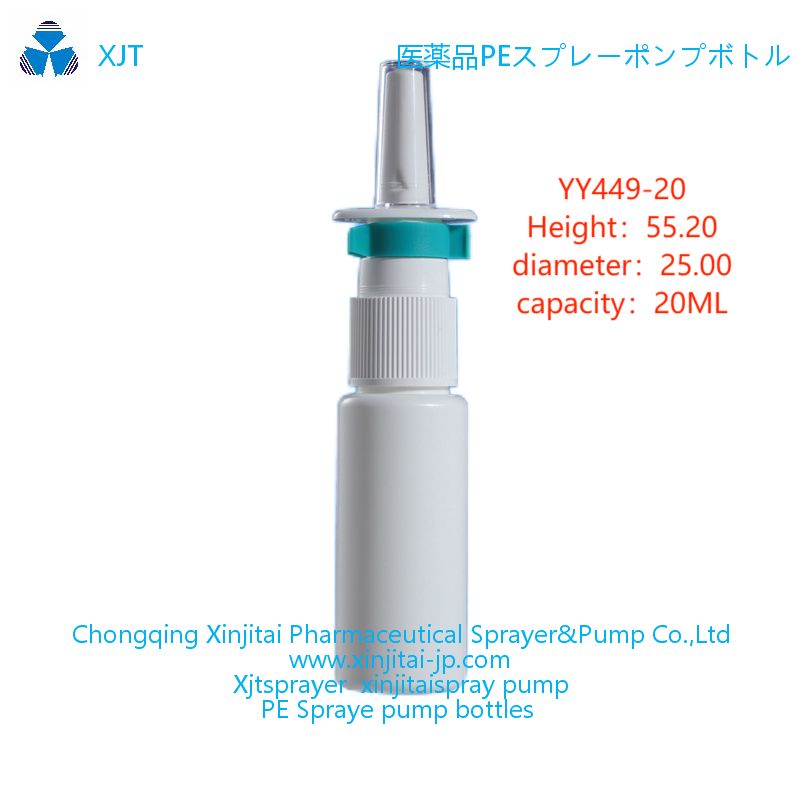
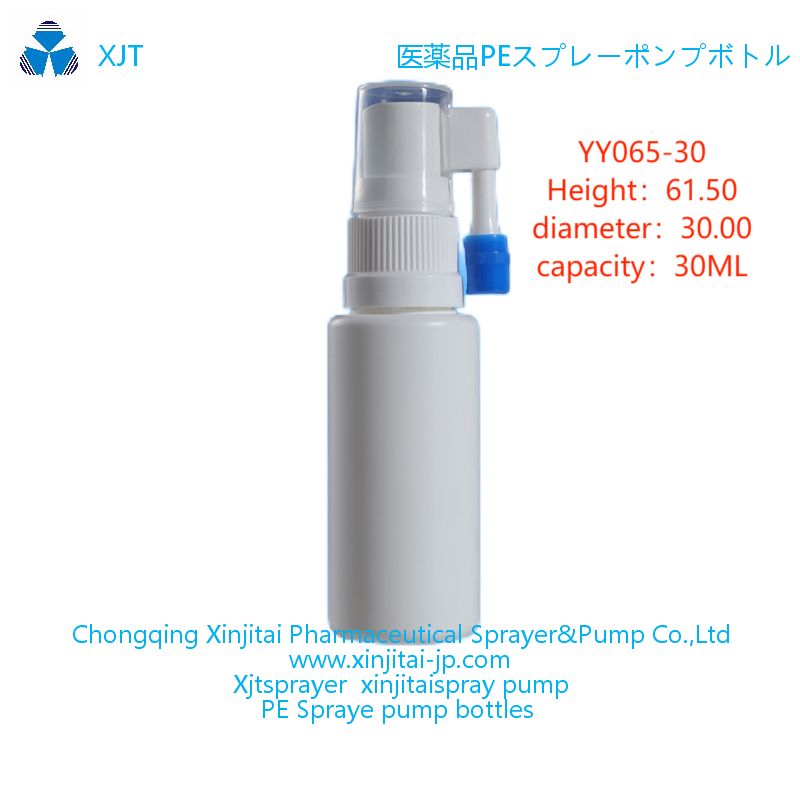
However, it is known to us all that SARS-CoV-2 is spread through the respiratory tract. So, if possible, we can develop a nasal spray vaccine for the respiratory tract. This vaccine, as a nasal spray, will be delivered directly to the human respiratory tract. It can directly stimulate an immune response in places (such as the lungs and upper respiratory tract) where SARS-CoV-2 may invade and proliferate. A paper published in Science showed that the new nasal-peptide may be an ideal choice to prevent the spread of SARS-CoV-2 in the world. This method of administration is stable in transportation and it is convenient for wide usage. If you want to find medical product suppliers who can offer vaccine, then Pharmasouces would be your best choice.
In addition to nasal sprays, the production of drugs related to the oral mucosa is also a new kind of vaccine.
In theory, this site-specific strategy may provide stronger protection against COVID-19 than injecting vaccination, because it is closer to natural COVID-19 infection and can produce antibodies and immune cells at key positions where viruses enter.
In addition, vaccine components with bacteria as carriers can deliver antigens directly to the mucosal tissues of the nose and oral cavity. Antigen is a vaccine component that can trigger immune response. Mucosal vaccine should be effective, because it can induce immunity when viruses enter, and control initial infection before it becomes a definite systemic infection. It capitalizes the unique and powerful components of human immune system located in mucosal tissue. B cells in mucosa produce immunoglobulin A, interferon and other elements, which is a powerful first-line defense against intestinal and respiratory pathogens. Mucosal tissue is also retentive. T cells can "remember" specific antigens after crossing with mucosal tissue for the first time, which can make quicker and stronger immune response in the next crossing.
COVID-19 vaccine is administrated through mucosa, which has clear benefits.
If COVID-19 vaccine is administrated through mucosa, virus or bacteria as carrier shall be needed. For example, the adenovirus vector is used in R&D of the nasal spray by CanSino this time. This vector is generally active. There are at least 4 advantages of using activ...























 (All Rights Reserved)