
Drug discovery and development has historically been a lengthy, high risk, and costly process, often spanning more than a decade and consuming billions of dollars before a product reaches patients. In recent years, however, a range of innovations, from new partnerships and collaborative models to digital automation and regulatory learnings, has accelerated timelines and reshaped the global pharmaceutical landscape. Key factors driving faster drug development include the expanding role of contract research and manufacturing partnerships, lessons learned from the rapid development of COVID 19 vaccines, the growth of collaborative R&D ecosystems, advances in automation and laboratory robotics, and case studies demonstrating how innovative pathways have enabled therapies to reach patients more quickly.
Role of CRO/CDMO Partnerships in Global Acceleration
Contract Research Organizations (CROs) and Contract Development and Manufacturing Organizations (CDMOs) have become central to the speed and efficiency of modern drug development. Pharmaceutical and biotech companies increasingly outsource specialized stages of the R&D and manufacturing process to these partners, gaining access to expertise, infrastructure, and global scale without the need to invest heavily in in-house capabilities (Dutton 2022).
CROs offer services in preclinical and clinical research, ranging from early-stage toxicology studies to Phase I-IV clinical trials. Their global reach allows companies to conduct trials across multiple geographies simultaneously, expediting patient recruitment and regulatory submissions. For example, companies like ICON, IQVIA, and Parexel are often credited with enabling faster, more coordinated global trials.
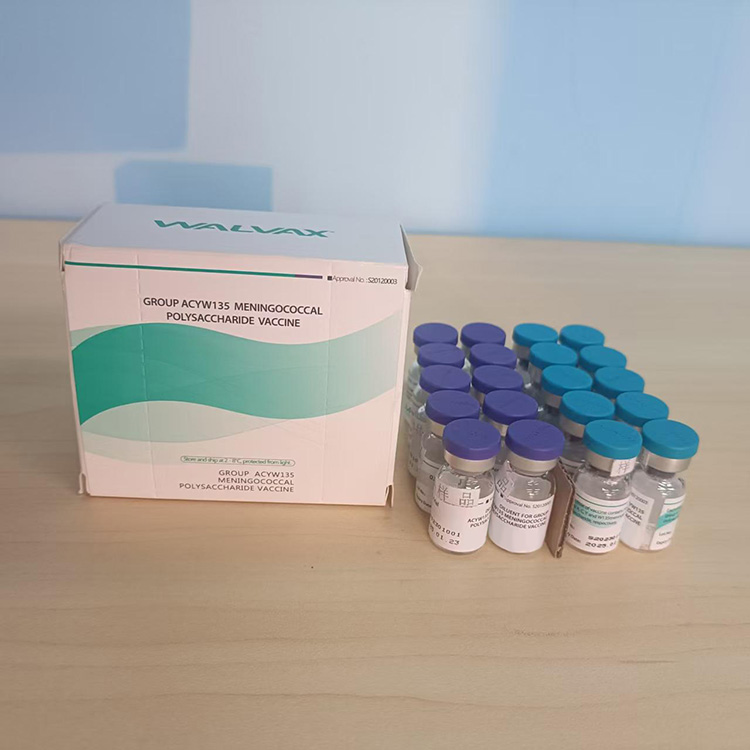
CDMOs, such as Lonza and Catalent, specialize in developing and scaling up manufacturing processes. During the COVID-19 pandemic, CDMOs played a vital role in producing mRNA vaccines at an unprecedented pace. Their ability to rapidly pivot facilities for new platforms illustrated how outsourcing models can accelerate time-to-market.
Increasingly, CROs and CDMOs are forming integrated partnerships, offering end-to-end support from molecule characterization through commercial manufacturing. These partnerships not only accelerates project timelines but also distribute risk, minimise cost and optimize resources, therefore accelerating the drug discovery process (services 2025).
How COVID-19 Fast-Tracked Vaccine Development
The COVID-19 pandemic transformed drug and vaccine development paradigms, demonstrating that with urgency, coordination, and investment, timelines can be compressed without sacrificing safety or efficacy.
The Moderna and Pfizer-BioNTech COVID-19 vaccines demonstrated the strategic advantage of mRNA technology in accelerating vaccine development. Once the SARS-CoV-2 genome was sequenced, candidates entered human trials within 63 days, setting a record timeline in vaccine history (Fortner and Schumacher 2021). This success has spurred industry investment in other high-priority areas. Two malaria vaccines received WHO approval in just four years, reversing six decades of stagnation, while mRNA-based influenza vaccines and RSV candidates are advancing quickly through early clinical trials (Sallam et al. 2025).
The unprecedented speed of vaccine development was supported not only by platform technology but also by adaptive regulatory approaches. Agencies were able to evaluate emerging data in real time and accelerate the path to authorization. Regulatory bodies such as the FDA and EMA introduced rolling reviews, allowing developers to submit data as it became available rather than waiting for complete packages. This continuous assessment reduced delays and ensured rapid authorization once sufficient safety and efficacy data were collected.
Governments and companies also engaged in risk-sharing models, funding large-scale manufacturing even before clinical efficacy was proven. This parallel approach to development and production saved months or even years compared to traditional sequential methods. Initiatives such as COVAX and collaborations among public institutions, academia, and private industry highlighted the power of global cooperation in mobilizing resources.
The pandemic demons...


























 (All Rights Reserved)