Product Description
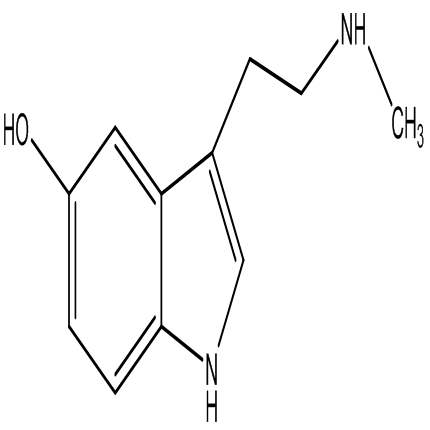
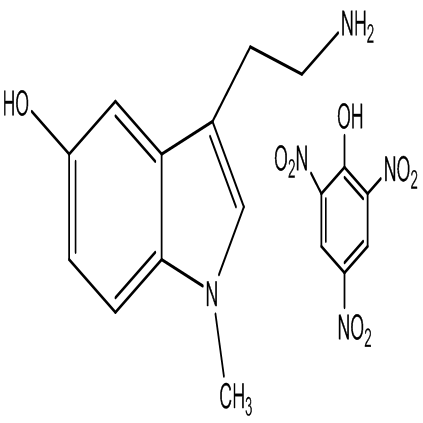
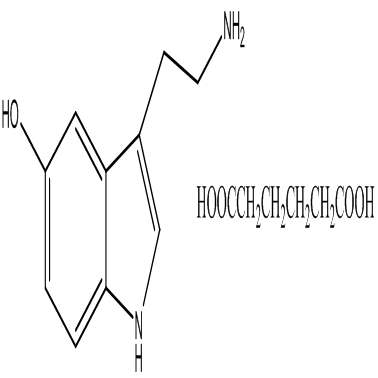
[Zn(L-5-HTP)2Cl2]H2O Coordination compounds of zinc(ll) with L-5-hydroxytryptophan
Type :Griffonia seed extract
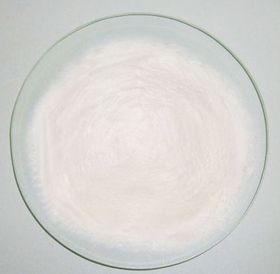
Appearance :powder
Part : seed
Extraction Method : Solvent Extraction
Packing : bottle , drum , vacuum packed
Grade : medicine grade
Molecular formula : C22H28N4O8Cl2Zn
Function : Anti obesity API
Contact :
Trading manger : Helen Tan
Whatsapp : +86 13930229229
Website : www.blrhbio.com
AI Product Description
*The following content is generated by AI and is for reference only.
The coordination compound [Zn(L-5-HTP)₂Cl₂]·H₂O represents a sophisticated metal-ligand complex formed between zinc(II) ions and the essential amino acid precursor L-5-hydroxytryptophan (L-5-HTP). While specific commercial catalogs may not always list a distinct CAS number for this exact hydrated stoichiometry, it is generally synthesized in research settings to investigate the interaction between transition metals and serotonin precursors. The molecular formula is C₂₂H₂₈Cl₂N₄O₉Zn, reflecting the integration of two L-5-HTP molecules, two chloride anions, one central zinc ion, and a lattice water molecule.
This compound serves primarily as a subject in advanced bioinorganic chemistry and pharmaceutical research. Its significance lies in exploring how zinc, a critical cofactor for numerous enzymes, modulates the stability and bioavailability of L-5-HTP. Since L-5-HTP is a direct precursor to serotonin, understanding its coordination with zinc offers insights into potential therapeutic strategies for mood disorders, sleep disturbances, and neurological conditions. Researchers utilize such complexes to study crystal structures, binding affinities, and release kinetics within biological systems. Unlike simple salt mixtures, this coordination entity may exhibit unique pharmacokinetic properties, potentially enhancing the delivery of the active ligand or altering its metabolic pathway.
In laboratory applications, the material is employed for spectroscopic analysis, thermal decomposition studies, and crystallographic characterization to elucidate the geometry of the zinc center. It aids in validating theoretical models regarding metal-amino acid interactions. However, due to its specialized nature, it is not typically marketed as a standalone dietary supplement or over-the-counter medication. Instead, it remains a valuable tool for academic institutions and pharmaceutical development teams aiming to design novel metallo-drug candidates. The synthesis requires precise control over pH and stoichiometry to ensure the formation of the correct hydrate structure. Future investigations into this class of compounds could lead to innovative treatments that leverage the synergistic effects of trace metals and neurotransmitter precursors, offering new avenues for addressing complex physiological imbalances.

![[Zn(L-5-HTP)2Cl2]H2O Coordination compounds of zinc(ll) with L-5-hydroxytryptophan C22H28N4O8Cl2Zn](https://eimg.pharmasources.com/image/product/20200619/34c01b290d480c178923075792764389jpg)
![[Zn(L-5-HTP)2Cl2]H2O Coordination compounds of zinc(ll) with L-5-hydroxytryptophan C22H28N4O8Cl2Zn](https://eimg.pharmasources.com/image/product/20200619/3ad7adc9e9bf38f8a1c951f6ecc419ecjpg)

![benzyl-N-[2-(5-hydroxy-1H-indol-3-yl)]carbamate,CAS:53157-50-10](https://eimg.pharmasources.com/image/product/20200619/d2cc2c1ed1aacb4b50276ca2a7970df2jpg)

![5,6,7,7a-Tetrahydro thieno[3,2-c]pyridin-2(4H)-one Hydrochloride](https://eimg.pharmasources.com/img_Cphi_en/Product/2016_02/Mimg_1602021058457992.jpg)







 (All Rights Reserved)