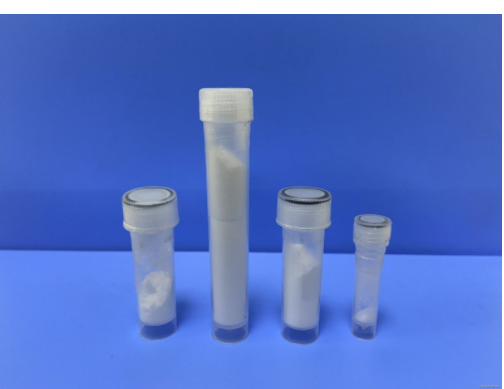
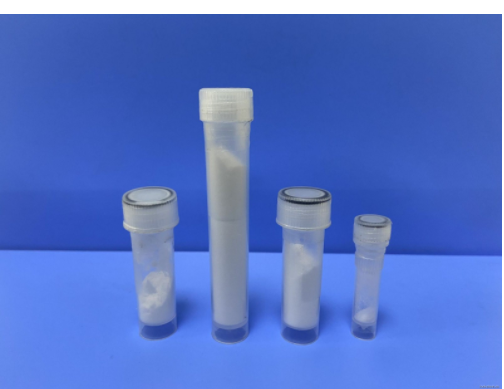
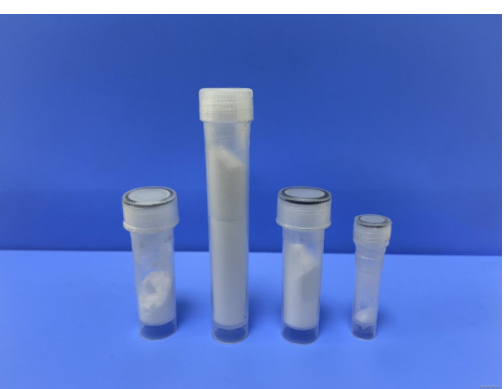
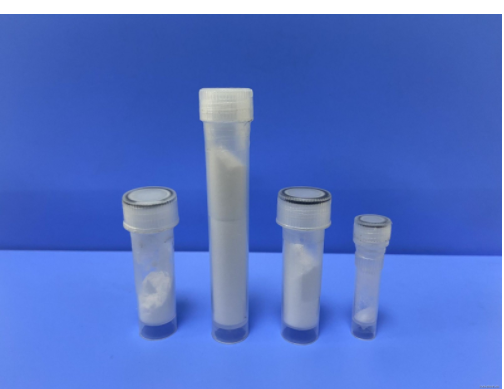
Product Description
Hangzhou Go Top Peptide Biotech Co.,Ltd. - a reliable supplier of peptides synthesis.Our clients include * the pharma, cosmetic and biotech companies and research institutions worldwide. Welcome to contact us by email to sales44@gotopbio.com
AI Product Description
*The following content is generated by AI and is for reference only.
N-Succinimidyl 2-bromobenzoate, commonly abbreviated as Z(2-Br)-Osu or NHS 2-bromobenzoate, is a specialized chemical reagent widely utilized in organic synthesis and bioconjugation chemistry. With the molecular formula C11H8BrNO4 and a CAS number of 37956-09-9, this compound serves as a crucial intermediate for introducing brominated aromatic moieties into complex molecular architectures. The molecule consists of a 2-bromobenzoyl group attached to an N-hydroxysuccinimide (NHS) ester functionality, a structural feature that imparts high reactivity toward primary amines under mild physiological conditions.
In laboratory settings, Z(2-Br)-Osu is primarily employed for the activation of carboxylic acids or as an acylating agent to synthesize amide bonds. Its most significant application lies in protein chemistry and peptide modification. When reacting with lysine residues on proteins or peptides, the NHS ester moiety undergoes nucleophilic attack by the primary amine, releasing N-hydroxysuccinimide and forming a stable amide linkage. This process allows researchers to attach specific labels, fluorophores, or other functional groups to biomolecules while preserving their biological activity. The presence of the ortho-bromine atom offers unique advantages; it acts as a strategic handle for subsequent cross-coupling reactions, such as Suzuki-Miyaura or Buchwald-Hartwig couplings, enabling the diversification of the resulting conjugates without disrupting the newly formed amide bond.
This reagent is particularly valuable in the development of antibody-drug conjugates (ADCs) and the creation of site-specific modified probes. The bromine substituent facilitates further derivatization, allowing chemists to build complex libraries of compounds from a common scaffold. Due to its sensitivity to moisture, Z(2-Br)-Osu must be stored under anhydrous conditions, typically at low temperatures, to prevent premature hydrolysis of the active ester group. While highly effective for academic research and pharmaceutical discovery, handling requires standard safety precautions due to potential irritant properties. Overall, Z(2-Br)-Osu represents a versatile tool bridging synthetic organic chemistry and advanced biotechnology, offering precise control over molecular assembly and functionalization.




 (All Rights Reserved)