Product Description
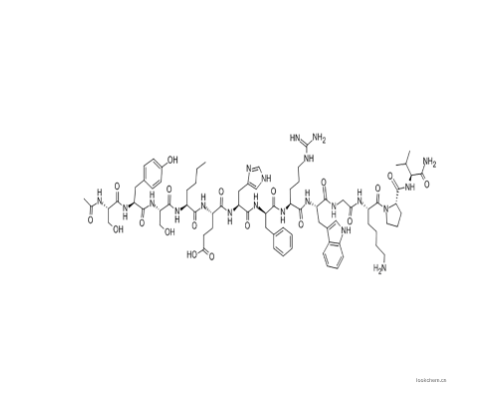
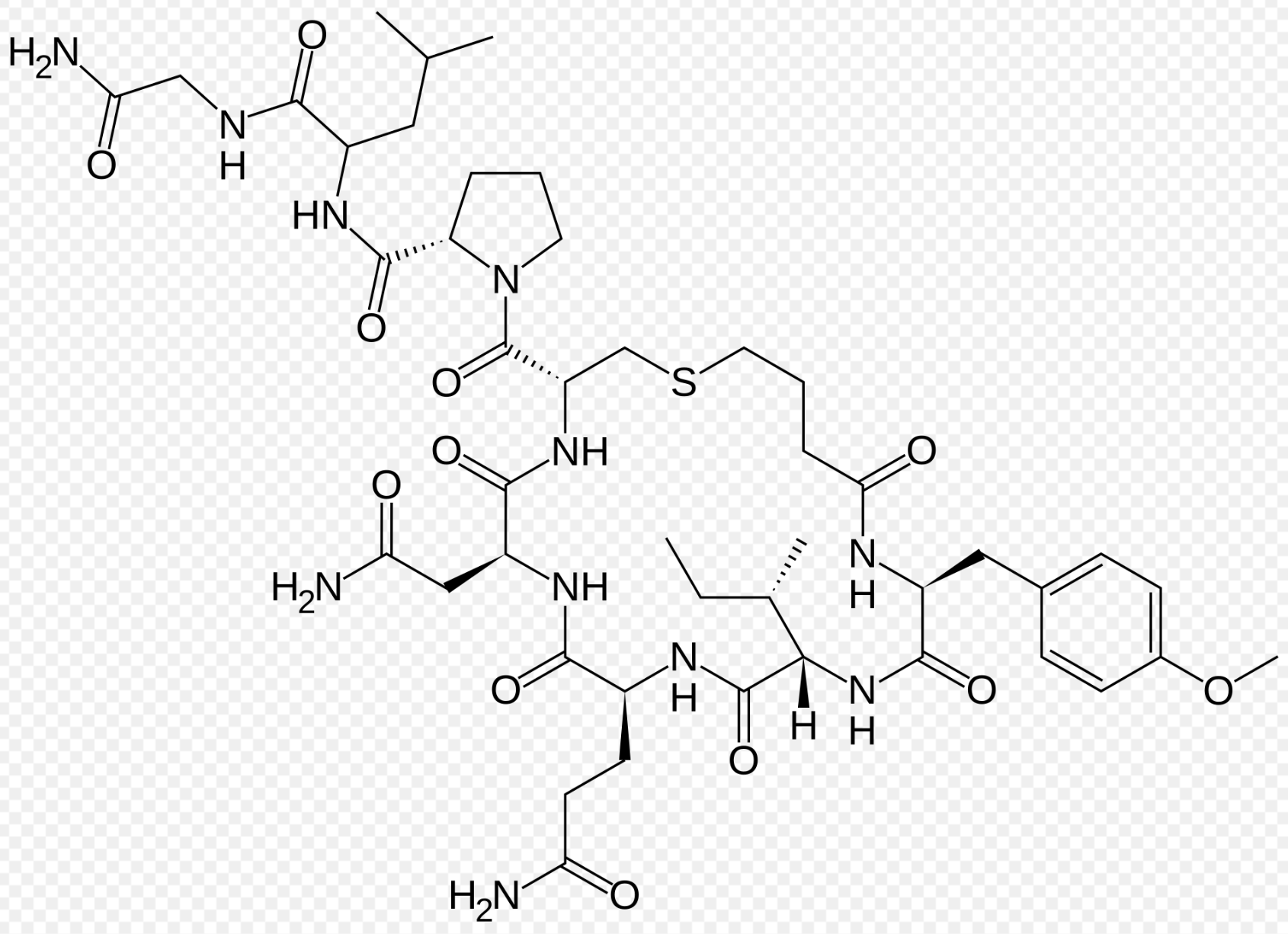
Z-Gly-Gly-Arg-AMC is a fluorescein-containing peptide, a fluorescent substrate specific for thrombin, which can be used to detect PRP and thrombin generation in platelet-deficient plasma. In peptide synthesis, Z-Gly-Gly-Arg-AMC is generally produced through solid phase synthesis technology and liquid phase synthesis technology.
AI Product Description
*The following content is generated by AI and is for reference only.
Z-Gly-Gly-Arg-AMC, chemically known as N-Z-Lysyl-glycylglycine-p-nitroanilide, is a specialized fluorogenic substrate widely utilized in biochemical research for the quantitative detection of proteolytic enzyme activity. Its molecular formula is C23H28N4O5, and it carries the CAS number 107269-36-9. This compound serves as a critical tool in studying serine proteases, particularly thrombin, trypsin, and plasmin, which are essential in blood coagulation cascades and fibrinolysis pathways. The molecule consists of a benzoyl group (Z) attached to a glycyl-glycyl-arginine tripeptide sequence, terminating with a 7-amino-4-methylcoumarin (AMC) fluorophore. In its intact state, the fluorescence of the AMC moiety is quenched by the adjacent aromatic groups. However, upon specific cleavage by target enzymes at the arginine bond, the AMC fragment is released, resulting in a significant increase in fluorescence intensity that can be easily measured using standard spectrofluorometers.
This assay offers high sensitivity and specificity, making it ideal for kinetic studies, inhibitor screening, and drug discovery programs targeting coagulation factors. Researchers frequently employ Z-Gly-Gly-Arg-AMC to evaluate the potency of anticoagulant drugs or to characterize novel protease variants. Its water solubility allows for convenient preparation in aqueous buffers, ensuring compatibility with physiological conditions during experimentation. Furthermore, the predictable cleavage kinetics provide reliable data for calculating Michaelis-Menten constants (Km and Vmax), aiding in the detailed understanding of enzyme mechanisms. Due to its reliability and ease of use, this substrate remains a staple in both academic laboratories and pharmaceutical industries investigating hemostasis disorders or developing therapeutic agents. Whether used in high-throughput screening assays or detailed mechanistic investigations, Z-Gly-Gly-Arg-AMC provides a robust platform for analyzing protease function, contributing significantly to advancements in medical science and biotechnology.





 (All Rights Reserved)