Product Description
- Cat. #: APC-682
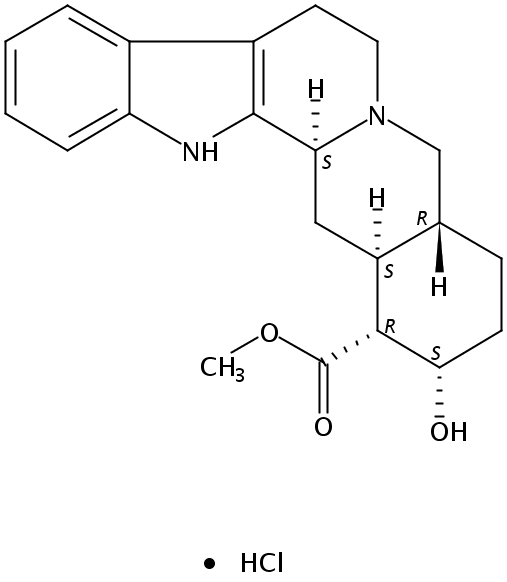
- Product: Yohimbine hydrochloride
- CAS No.: 65-19-0
- Molecular Formula: C21H26N2O3.HCl
- Molecular Weight: 390.90368
- Specification: 98%min by HPLC
- Availability: research and bulk quantity
- Grade: R
AI Product Description
*The following content is generated by AI and is for reference only.
Yohimbine hydrochloride is a well-established pharmaceutical compound derived from the bark of the Pausinystalia johimbe tree, native to West Africa. Chemically known as (17β)-yohimbine hydrochloride, its molecular formula is C21H26N2O3·HCl, and it carries the CAS Registry Number 65-19-0. This alkaloid functions primarily as a selective alpha-2 adrenergic receptor antagonist. By blocking these specific receptors, yohimbine prevents the inhibition of norepinephrine release, thereby increasing sympathetic nervous system activity. This mechanism leads to enhanced blood flow and metabolic stimulation, which has driven its diverse applications in both clinical and supplementary contexts.
Historically, yohimbine hydrochloride was widely prescribed for treating erectile dysfunction due to its ability to facilitate vasodilation in penile tissue. While modern phosphodiesterase inhibitors have largely superseded it for this indication, it remains a recognized therapeutic agent in specific medical scenarios. In the fitness and bodybuilding communities, the compound is popularly utilized as a fat-burning supplement. Proponents suggest that by inhibiting alpha-2 receptors, which are often responsible for holding onto stubborn fat stores, yohimbine promotes lipolysis and mobilizes fatty acids during exercise. Additionally, it is sometimes used to improve athletic performance and mental alertness by boosting catecholamine levels.
Despite its efficacy, yohimbine hydrochloride requires careful handling due to a narrow therapeutic window. Common side effects include anxiety, hypertension, tachycardia, tremors, and insomnia, particularly at higher doses or when taken without food. It is contraindicated for individuals with heart conditions, kidney disease, or those taking certain antidepressants and blood pressure medications. Consequently, regulatory bodies such as the FDA have issued warnings regarding unsupervised use. While available over-the-counter as a dietary supplement in some regions, medical supervision is strongly recommended to ensure safety and appropriate dosing. Its dual nature as both a prescription medication and a performance aid underscores the importance of understanding its pharmacological profile before consumption.






 (All Rights Reserved)