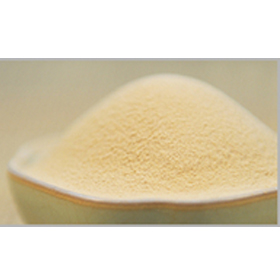
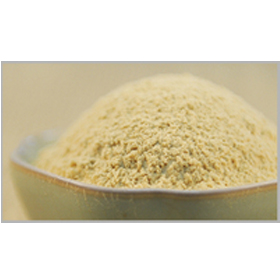
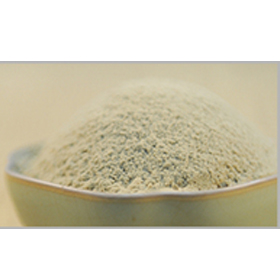
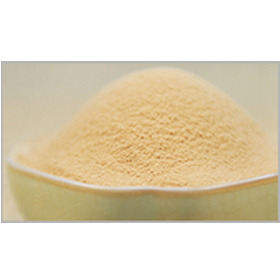
Product Description
- Cat. #: AKI-01
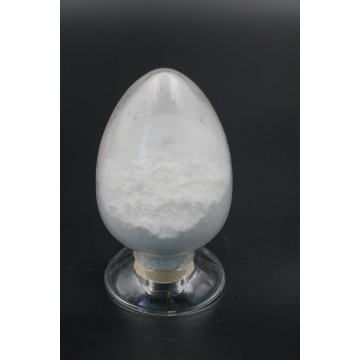
- Product: Astaxanthin
- CAS No.: 472-61-7
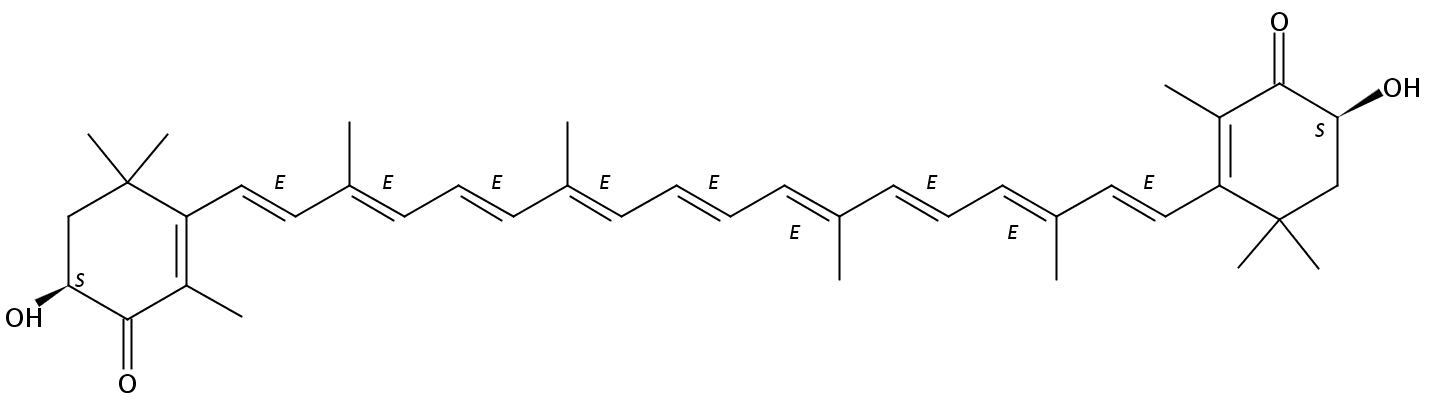
- Molecular Formula: C40H52O4
- Molecular Weight: 596.84 [g/mol]
- Plant Source: Fermentation
- Specification: Astaxanthin 1%;3%, 5%
- Packing: 1kg/vacuum bag; 20kg/drum or as requested
- Availability: In stock
- OtherName: Astaxanthin, Natupink, BioAstin, Carophyll Pink, Lucantin Pink, trans-Astaxanthin
AI Product Description
*The following content is generated by AI and is for reference only.
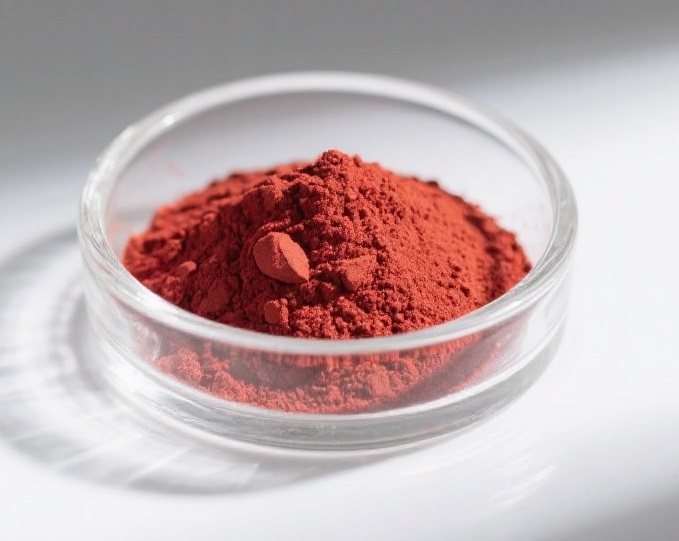
Astaxanthin is a naturally occurring carotenoid pigment renowned for its potent antioxidant properties and distinctive deep red color. Chemically, it belongs to the xanthophyll class, characterized by oxygen-containing functional groups that enhance its stability and bioactivity compared to other carotenoids like beta-carotene. Its molecular formula is C40H52O4, and it is identified by the CAS number 472-61-7. Structurally, astaxanthin features a long polyene chain with hydroxyl and keto groups at both ends of the molecule, which allows it to effectively span across cell membranes, protecting lipids from oxidative damage.
Found primarily in microalgae such as Haematococcus pluvialis, as well as in salmon, trout, krill, and shrimp, astaxanthin is responsible for the pink hue of cooked seafood and the flesh of wild-caught fish. Unlike many synthetic antioxidants, natural astaxanthin exhibits exceptional stability against heat, light, and oxidation, making it highly valuable in industrial applications. The primary use of astaxanthin lies in the nutraceutical and dietary supplement sectors, where it is marketed to support skin health, reduce inflammation, improve eye vision, and boost immune function. Its ability to neutralize free radicals without becoming pro-oxidant distinguishes it from other compounds in this category.
In the aquaculture industry, astaxanthin is an essential feed additive used to impart the characteristic coloration to farmed salmon and shrimp, ensuring market appeal. Additionally, it serves as a natural food coloring agent in cosmetics and processed foods, offering a safe alternative to synthetic dyes like Red 40. Recent research highlights its potential in preventing chronic diseases associated with oxidative stress, including cardiovascular disorders and neurodegenerative conditions. Due to its unique structure and broad biological activity, astaxanthin continues to be a subject of extensive scientific study, driving innovation in health supplements, functional foods, and cosmetic formulations globally. As consumer demand for natural ingredients grows, the production and application of high-quality astaxanthin are expected to expand significantly in the coming years.





 (All Rights Reserved)