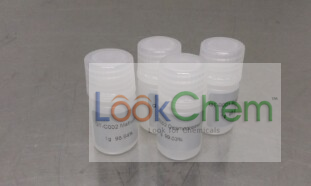
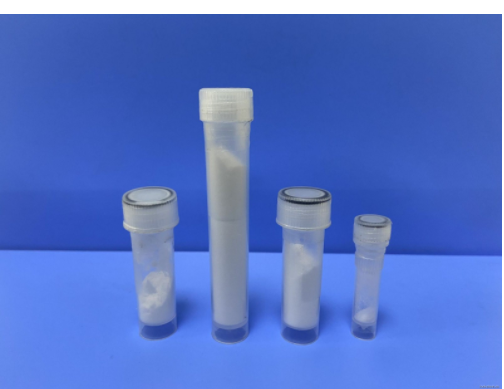
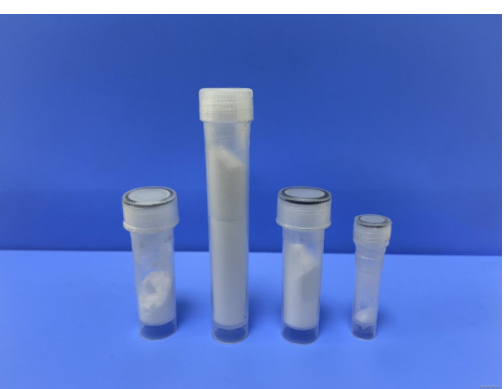
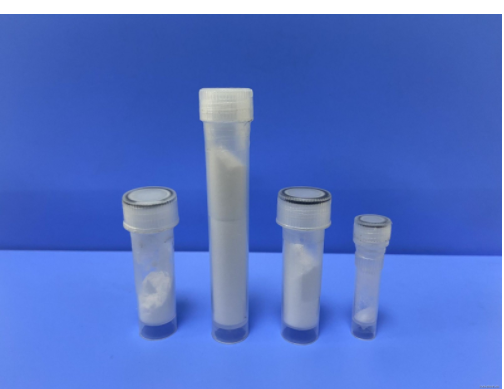
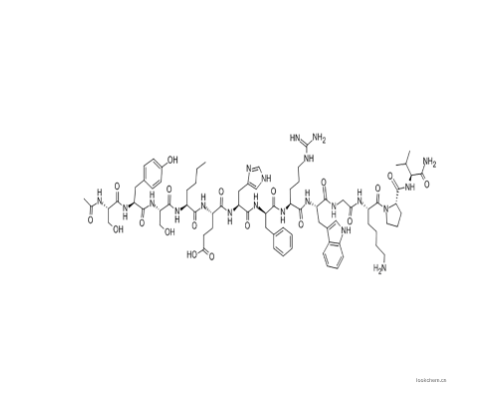
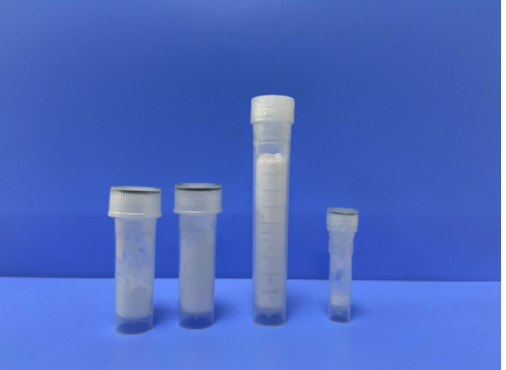
Name: acetic acid ornithine vasopressin, Ornipressin Acetate nickname: bird ammonia vasopressin, 8 - ornithine vasopressin Cas: 3397-23-7 sequence: H - Cys - Tyr - Phe - Gln - the Asn - Cys - Pro - Orn - Gly - NH2 (Disulfide bridge: 1-6) : purity > 98% molecular formula: C45H63N13O12S2 molecular weight: 1042.22 packing: 1 g, 5 grams, 10 grams, 50 grams, 100 grams
*The following content is generated by AI and is for reference only.
Vasopressin, 8-L-ornithine (often referred to as Lysine Vasopressin or Desmopressin analogs in specific contexts, though strictly distinct from DDAVP) is a synthetic peptide derivative of the natural hormone arginine vasopressin. Its molecular formula is C46H71N15O12S2, and it carries the CAS number 109243-96-5. This compound is engineered by substituting the amino acid at the eighth position of the native vasopressin sequence with L-ornithine, a modification that significantly alters its pharmacological profile compared to the endogenous hormone.
The primary utility of this analog lies in its enhanced selectivity for V2 receptors over V1a receptors. While natural vasopressin acts broadly on both vascular smooth muscle (causing vasoconstriction via V1a) and renal collecting ducts (promoting water reabsorption via V2), the 8-L-ornithine substitution minimizes cardiovascular side effects while preserving potent antidiuretic activity. Consequently, it serves as a critical therapeutic agent for managing central diabetes insipidus, where the body fails to regulate fluid balance due to insufficient vasopressin production. It effectively reduces excessive urine output and polydipsia without inducing significant hypertension or tachycardia, which are common concerns with non-selective vasopressin formulations.
Beyond clinical applications, this molecule is extensively utilized in biomedical research to study receptor specificity, signal transduction pathways involving G-protein coupled receptors, and renal physiology. Scientists employ it to isolate V2-mediated effects in vitro and in vivo, facilitating the development of new drugs targeting water homeostasis disorders. Furthermore, its stability profile makes it valuable in comparative studies against other vasopressin analogs like desmopressin. As a high-purity chemical reagent, it supports pharmaceutical quality control and structural biology investigations aimed at understanding peptide-hormone interactions. Researchers must handle it with standard laboratory safety protocols, ensuring proper storage conditions to maintain bioactivity. The continued refinement of such analogs highlights the ongoing evolution of peptide therapeutics, offering safer, more targeted treatments for complex endocrine dysfunctions.





 (All Rights Reserved)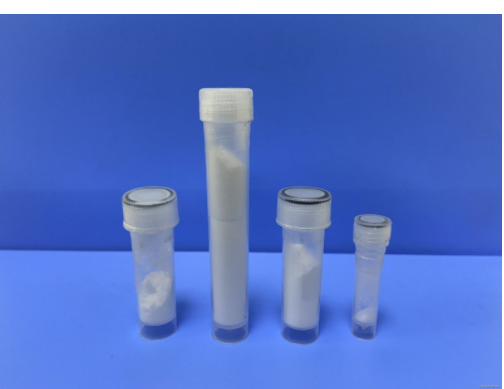


![8,16-Diazadispiro[6.1.6.2]heptadecan-17-one](https://eimg.pharmasources.com/image/product/20250403/ca91cba8b87e53fc879f8d8764873a40jpg)


![6,8-Dioxo-5,7-diazaspiro[3.4]octane-2-carboxylic acid](https://eimg.pharmasources.com/image/product/20250403/02effeb5a7639bc84ff1f3add3c0c64fjpg)

![8-Oxa-1,3-diazaspiro[4.5]decane-2,4-dione](https://eimg.pharmasources.com/image/product/20250403/60fa7223d5a34f24138486ceea0ffb15jpg)

