Name: benzene acetic acid lai vasopressin, Felypressin Acetate nickname: benzene lai vasopressin, 2 - phenylalanine - 8 - lysine vasopressin Cas: 56-59-7 sequence: H - [Cys - Phe - Phe - Gln - the Asn - Cys] - Pro - Lys - Gly - NH2 purity: > 98% molecular formula: C46H65N13O11S2 molecular weight: 1040.24 packing: 1 g, 5 grams, 10 grams, 50 grams, 100 grams
*The following content is generated by AI and is for reference only.
Vasopressin, 2-L-phenylalanine-8-L-lysine, commonly known as Lysine Vasopressin or Diuretic Desmopressin analog in specific contexts, is a synthetic peptide hormone derivative designed to mimic the biological activity of endogenous arginine vasopressin. With the CAS number 1075-36-9, this compound represents a modified version of the native antidiuretic hormone where the phenylalanine residue at position two and the lysine residue at position eight distinguish it from standard formulations. Its molecular formula is C46H66N14O12S2, reflecting a complex structure composed of nine amino acids linked by peptide bonds, including a disulfide bridge essential for its three-dimensional conformation and receptor binding affinity.
This pharmaceutical agent primarily functions as a potent antidiuretic and vasoconstrictor. Unlike some natural variants, the substitution of lysine at the C-terminal position significantly alters its metabolic stability and duration of action, often extending its half-life compared to the native hormone. Consequently, it is widely utilized in clinical settings to manage conditions involving water balance disorders, such as central diabetes insipidus, where the body fails to regulate fluid retention properly. Additionally, due to its ability to constrict blood vessels, it serves as an adjunct therapy in hemodynamic support during severe hypotension or cardiac arrest scenarios, helping to maintain systemic vascular resistance. In research environments, this specific analog is invaluable for studying G-protein coupled receptor mechanisms, specifically targeting V1a and V2 receptors to understand their roles in renal water reabsorption and smooth muscle contraction. The precise structural modifications ensure high selectivity, reducing off-target effects while maximizing therapeutic efficacy. As a critical tool in both emergency medicine and endocrinology, Lysine Vasopressin remains a cornerstone for treating life-threatening fluid imbalances and circulatory collapse, offering a reliable alternative when endogenous hormone production is compromised. Its availability in standardized forms facilitates accurate dosing across diverse medical protocols worldwide.





 (All Rights Reserved)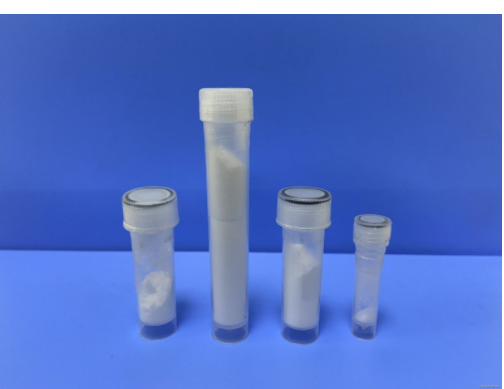

![6,8-Dioxo-5,7-diazaspiro[3.4]octane-2-carboxylic acid](https://eimg.pharmasources.com/image/product/20250403/02effeb5a7639bc84ff1f3add3c0c64fjpg)
![8-Oxa-1,3-diazaspiro[4.5]decane-2,4-dione](https://eimg.pharmasources.com/image/product/20250403/60fa7223d5a34f24138486ceea0ffb15jpg)
![8,16-Diazadispiro[6.1.6.2]heptadecan-17-one](https://eimg.pharmasources.com/image/product/20250403/ca91cba8b87e53fc879f8d8764873a40jpg)