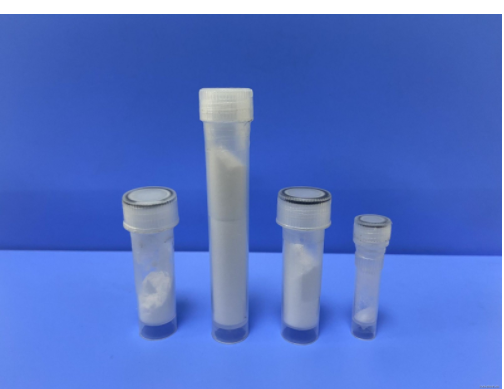
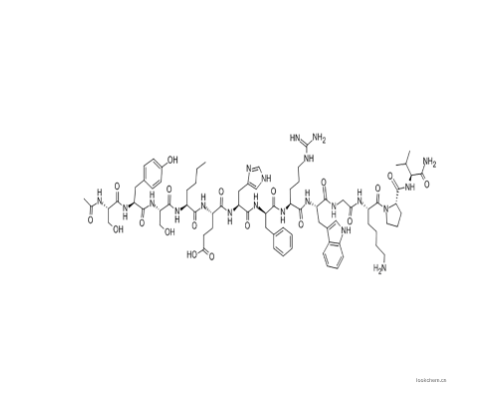
Aviptadil Acetate
CAS# 40077-57-4
Purity: 98%
Sequence: His-Ser-Asp-Ala-Val-Phe-Thr-Asp-Asn-Tyr-Thr-Arg-Leu-Arg-Lys-Gln-Met-Ala-Val-Lys-Lys-Tyr-Leu-Asn-Ser-Ile-Leu-Asn-NH2
Molecular: C147H238N44O42S
Molecular weight: 3326.08
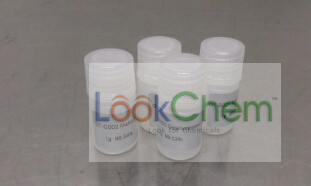
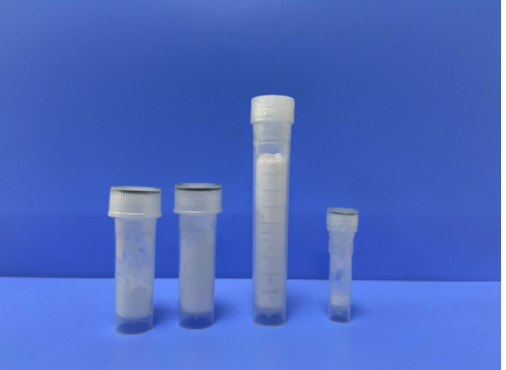
Packing: 1 g, 5 g, 10 g, 50 g, 100 g
*The following content is generated by AI and is for reference only.
Vasoactive Intestinal Octacosapeptide, often abbreviated as VIP-28 or simply referred to in research contexts as a specific fragment of Vasoactive Intestinal Peptide (VIP), is a bioactive neuropeptide consisting of 28 amino acid residues. While the full-length human VIP is a 28-amino acid peptide with the molecular formula C135H206N40O39S and CAS number 76996-03-5, the term "octacosapeptid" specifically denotes this exact length, confirming its identity as the complete native sequence rather than a truncated derivative. This molecule plays a pivotal role in the regulation of smooth muscle relaxation, vasodilation, and the modulation of immune responses within the gastrointestinal and respiratory tracts.
In pharmaceutical and biomedical research, VIP-28 is primarily utilized as a critical tool for investigating signal transduction pathways involving G-protein coupled receptors (GPCRs). It acts by binding to VPAC1 and VPAC2 receptors, triggering intracellular cAMP elevation which subsequently influences cellular functions such as secretion, proliferation, and apoptosis. Its therapeutic potential is being explored in conditions ranging from inflammatory bowel disease and asthma to neurodegenerative disorders, where its anti-inflammatory and neuroprotective properties are of significant interest. Furthermore, due to its ability to regulate circadian rhythms and hormone release, it serves as a valuable model for studying endocrine system dysfunctions.
The synthesis and characterization of this peptide require high-purity standards to ensure biological activity and reproducibility in experimental settings. Researchers utilize it to map receptor distribution and to develop novel drug candidates targeting VIP-related pathologies. Although clinical applications remain largely investigational, the compound represents a cornerstone in understanding the complex interplay between the nervous and immune systems. As a potent modulator of vascular tone and gut motility, VIP-28 continues to be a subject of intense study, offering promising avenues for future treatments in gastroenterology, immunology, and neuroscience. Its unique structural integrity and functional versatility make it an indispensable asset in modern pharmacological discovery.





 (All Rights Reserved)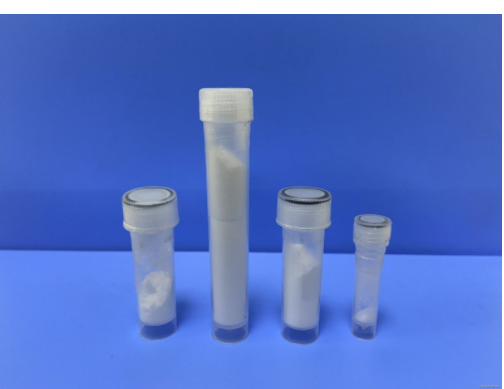

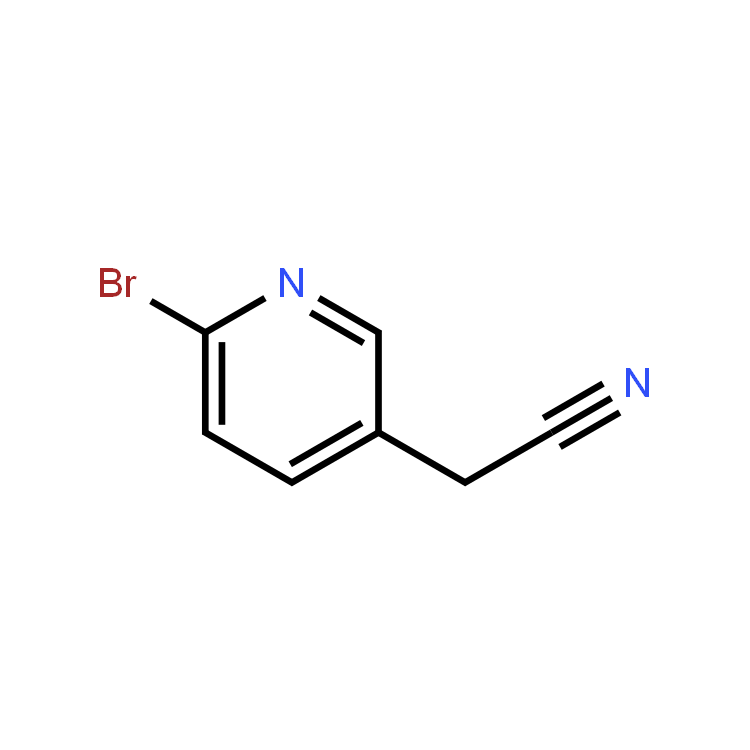
![8-Oxa-1,3-diazaspiro[4.5]decane-2,4-dione](https://eimg.pharmasources.com/image/product/20250403/60fa7223d5a34f24138486ceea0ffb15jpg)
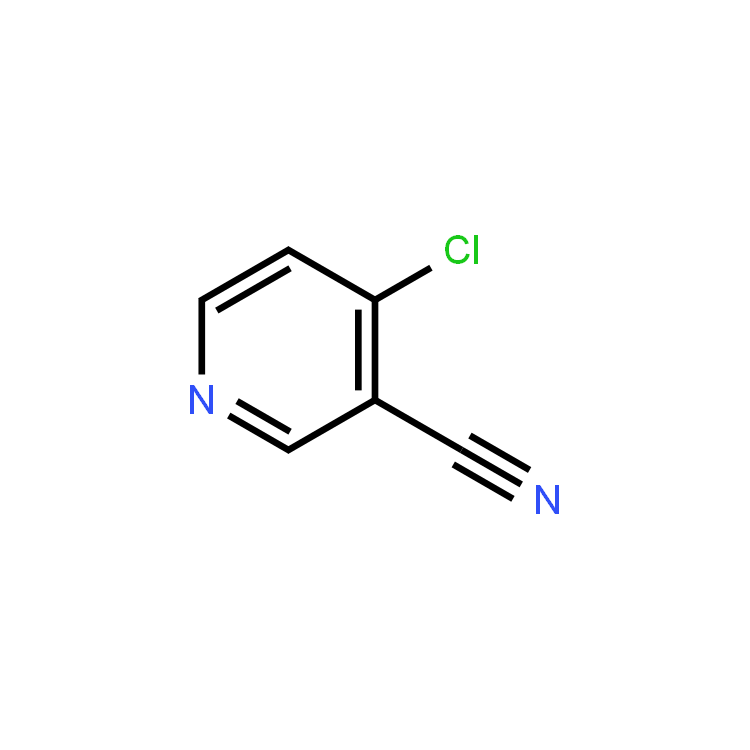
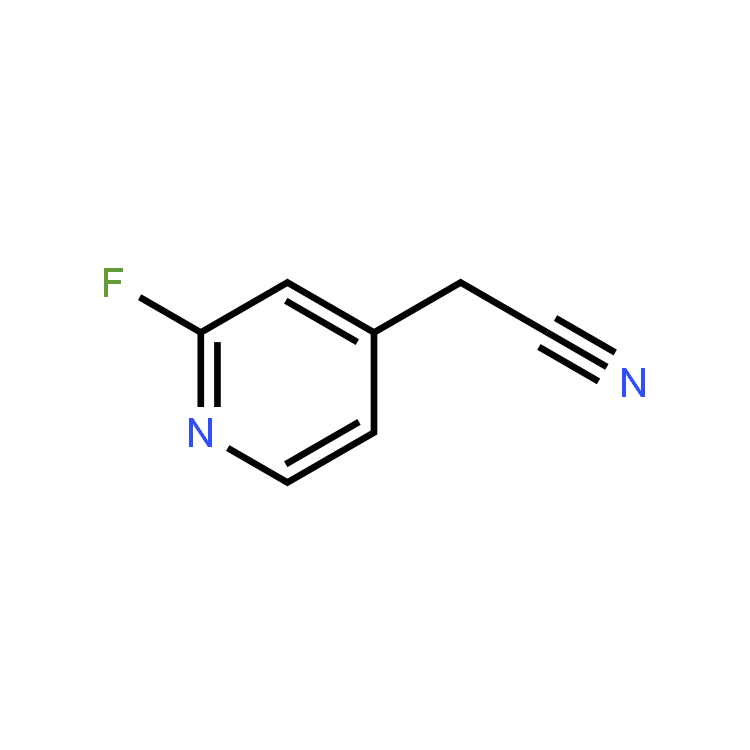
![6,8-Dioxo-5,7-diazaspiro[3.4]octane-2-carboxylic acid](https://eimg.pharmasources.com/image/product/20250403/02effeb5a7639bc84ff1f3add3c0c64fjpg)
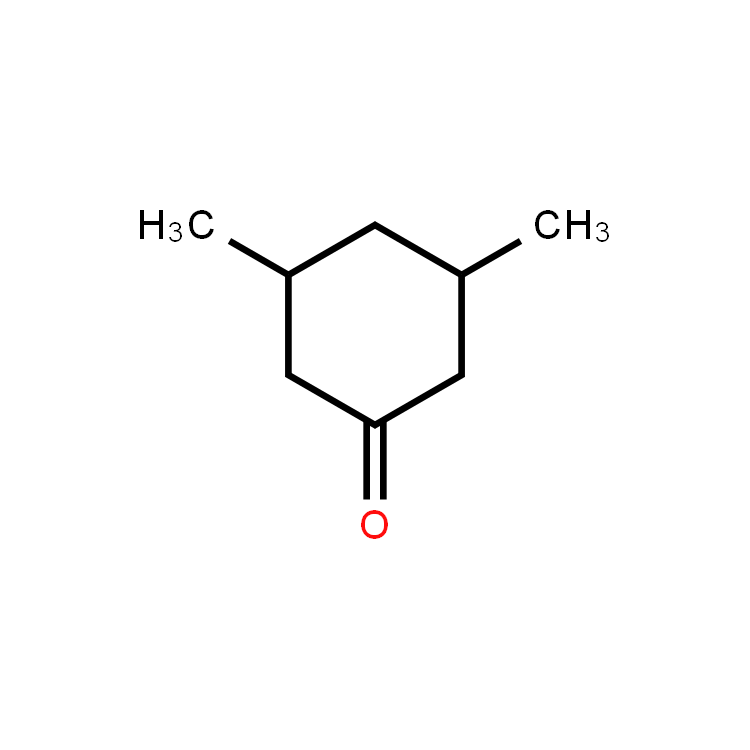
![8,16-Diazadispiro[6.1.6.2]heptadecan-17-one](https://eimg.pharmasources.com/image/product/20250403/ca91cba8b87e53fc879f8d8764873a40jpg)
