Product Description
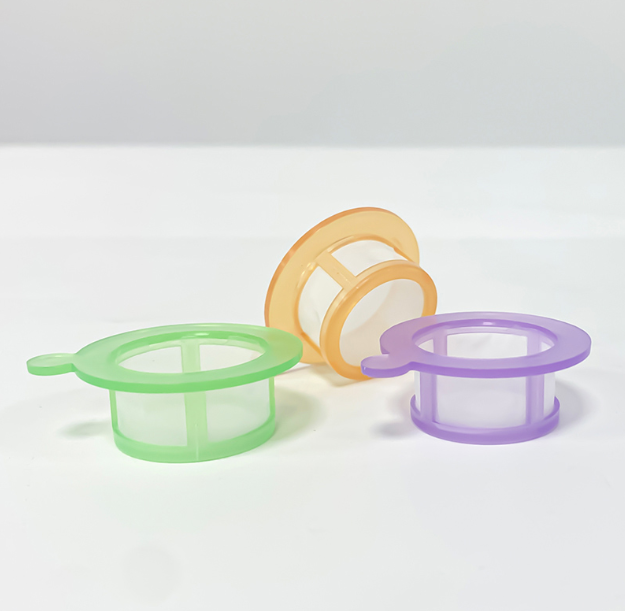
cell strainers are manufactured from a strong nylon mesh with evenly spaced mesh pores and gamma resistant. These cell strainers are sterile, rapid, easy-to-use devices for isolating primary cells to consistently obtain a uniform single-cell suspension from tissues.
AI Product Description
*The following content is generated by AI and is for reference only.
The 40-micron nylon mesh cell strainer is a critical laboratory consumable designed for the efficient preparation of single-cell suspensions from tissue samples. Primarily used in flow cytometry, cell culture, and stem cell research, this device ensures that biological specimens are free of clumps and debris before analysis or downstream processing. By filtering tissues through a fine nylon mesh, researchers can isolate viable cells while removing large aggregates, dead cells, and connective tissue fragments that might otherwise clog sensitive instrumentation or skew experimental results. The 40-micron pore size represents a standard balance, effectively retaining most mammalian cells while allowing smaller particles to pass through, making it suitable for a wide range of applications including immune profiling, tumor dissociation, and bone marrow isolation.
Constructed from high-quality nylon, these strainers offer superior chemical resistance and mechanical strength compared to traditional metal or polyester alternatives. The material is inert, minimizing the risk of sample contamination or non-specific binding, which is essential for maintaining the integrity of delicate biological assays. Typically supplied in sterile, individually packaged units, they prevent cross-contamination between samples and ensure immediate readiness for use without additional sterilization steps. This packaging also facilitates aseptic technique within biosafety cabinets.
When using these strainers, several precautions should be observed to maximize performance. First, always wear appropriate personal protective equipment and work within a controlled environment to maintain sterility. When pressing the sample against the mesh, apply gentle but firm pressure; excessive force may damage the mesh or crush fragile cells, leading to inaccurate data. It is advisable to rinse the trapped cells with an appropriate buffer solution to recover maximum yield. Furthermore, avoid reusing the strainer, as the mesh structure can become compromised after a single use, potentially releasing fibers into the sample or failing to filter effectively. Proper disposal according to biohazard protocols is mandatory after handling infectious materials. Ultimately, this tool is indispensable for generating high-quality, homogeneous cell populations required for reproducible and reliable scientific outcomes.





 (All Rights Reserved)