Product Description
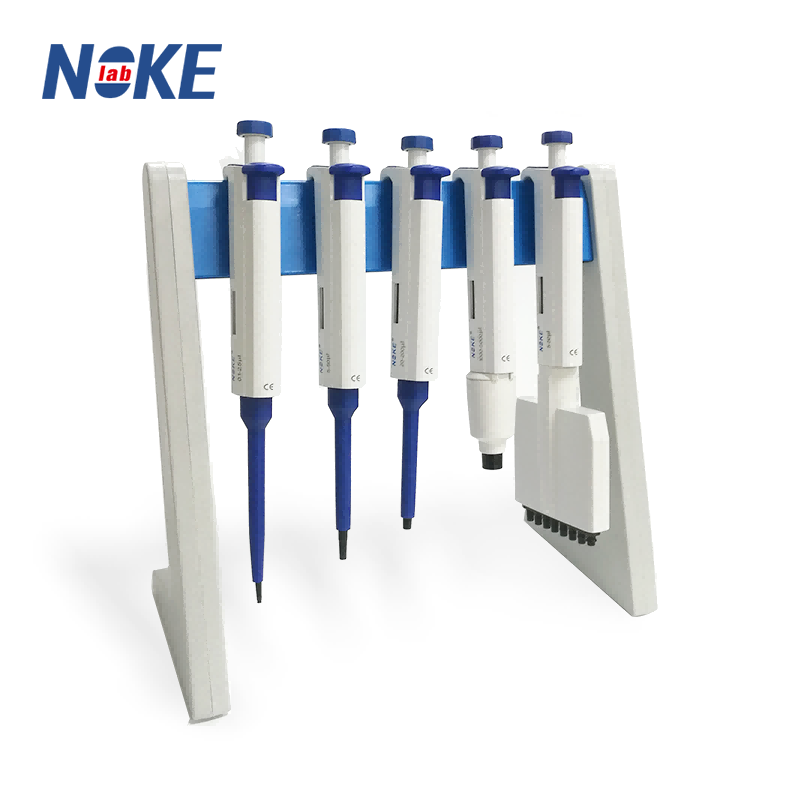
1. Lightweight, ergonomic, low force design
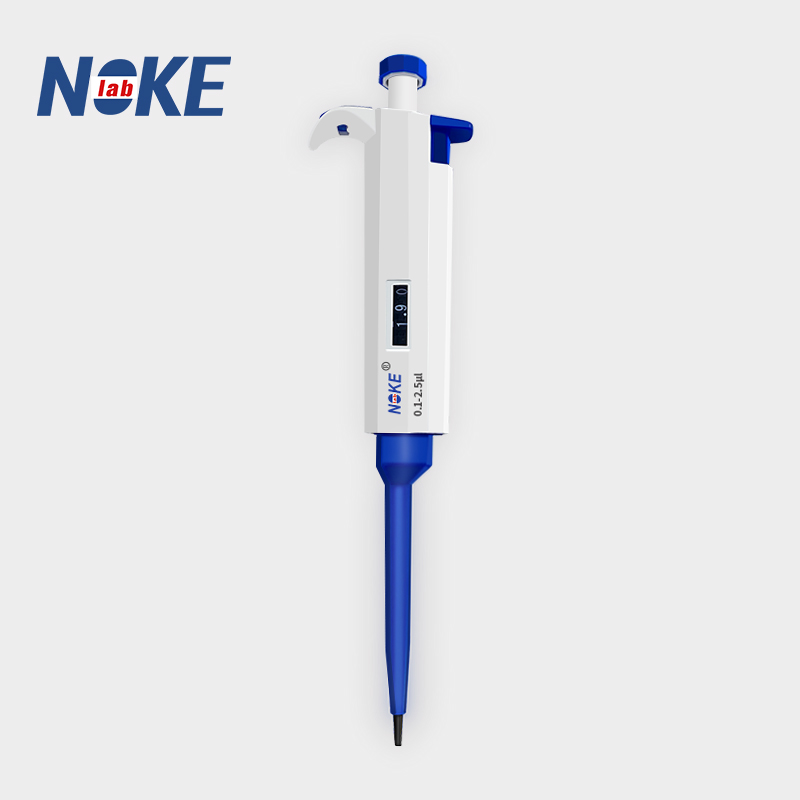
2. Digital display clearly reads volume setting
3. The pipettes cover volume range of 0.1μl to 10ml
4. Easy to calibrate and maintain with tool supplied
5. Design helps avoid repetitive strain injuries
6. Calibrated in accordance with ISO8655. Each pipette supplied with individual test certificate
7. The low part is available for autoclaving
AI Product Description
*The following content is generated by AI and is for reference only.
The 2-20μl graduated and bulb pipette is a fundamental laboratory tool designed for the precise manual transfer of small liquid volumes. Primarily utilized in biological, chemical, and medical research settings, this instrument enables scientists to measure and dispense reagents, buffers, or samples with high accuracy. The device typically features a glass or plastic barrel marked with graduation lines, allowing users to visually estimate specific volumes within the 2 to 20 microliter range. The attached rubber bulb provides the necessary suction mechanism to draw liquids up into the barrel, offering greater control compared to automatic pipettes for tasks requiring variable volume adjustments or when electronic equipment is unavailable.
Its versatility makes it suitable for applications such as preparing dilutions, adding staining solutions, or transferring cell cultures where extreme precision is required but automated dispensing is impractical. Unlike disposable plastic tips used in electronic pipettors, these instruments are often reusable after rigorous sterilization, making them cost-effective for routine laboratory work. However, proper handling is critical to ensure data integrity and safety. Users must always avoid touching the tip to surfaces that could contaminate the sample or the pipette itself. Furthermore, never invert the pipette while holding liquid, as this can cause fluid to enter the bulb, leading to contamination or damage to the rubber component.
Safety precautions include wearing appropriate personal protective equipment, such as gloves and safety goggles, especially when handling hazardous chemicals. It is essential to inspect the glass barrel for cracks before use to prevent breakage and potential injury. Regular cleaning with distilled water and mild detergents, followed by thorough drying, ensures longevity and prevents cross-contamination between experiments. For volatile or corrosive substances, special care must be taken to prevent evaporation or reaction with the bulb material. Ultimately, mastering the technique of using a graduated pipette with a bulb is an essential skill for any laboratory professional, ensuring reliable experimental results through careful measurement and strict adherence to hygiene protocols.





 (All Rights Reserved)