Product Description
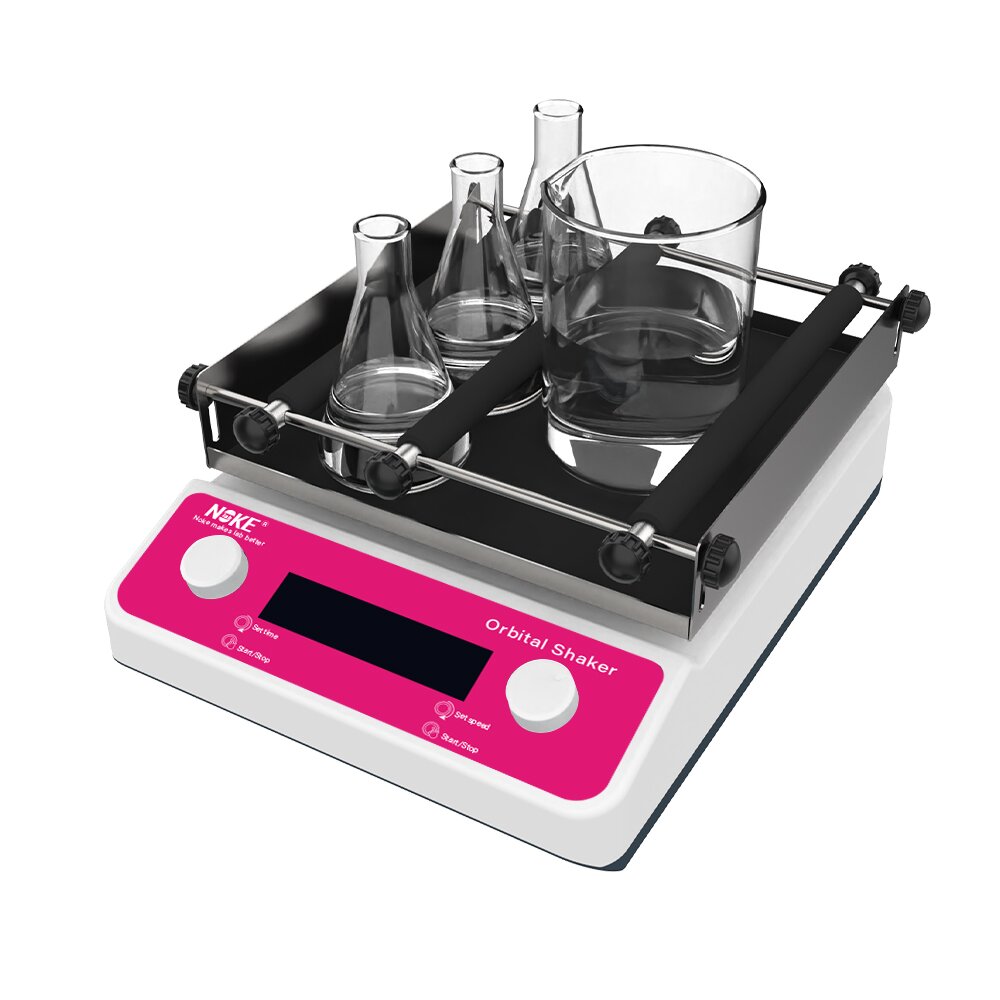
• Independent LCD display for speed and time
• Compact footprint
• Provides smooth and uniform shaking
• Continuous or timer operation mode
• Over speed detection and protection
• Wide range of optional platform for flasks, and other popular vessels
AI Product Description
*The following content is generated by AI and is for reference only.
The platform orbital shaker is a fundamental piece of laboratory equipment designed to agitate, mix, and homogenize liquid samples within containers such as flasks, beakers, or test tubes. Unlike shaking mechanisms that rely on a reciprocating motion, this device operates by rotating a flat platform in a circular path. This orbital motion ensures gentle yet effective mixing, making it ideal for applications where sample integrity must be preserved while ensuring thorough interaction between components.
Primary uses include cell culture incubation, bacterial growth promotion, and the dissolution of reagents. In biological research, it facilitates uniform oxygen transfer and nutrient distribution within culture media, which is critical for maintaining healthy cell lines. Additionally, it is extensively used in biochemistry for protein extraction, DNA/RNA isolation protocols, and general solution preparation where consistent agitation prevents sedimentation or concentration gradients. The device often features adjustable speed controls, allowing users to tailor the rotation rate from low speeds suitable for delicate cultures to higher velocities required for rapid mixing of viscous fluids. Many models also incorporate temperature control systems, enabling operation within specific thermal ranges essential for enzymatic reactions or microbial cultivation.
Safety and operational precautions are vital for optimal performance and user protection. Users should always ensure that the load is evenly distributed across the platform to prevent excessive vibration or mechanical stress on the motor. Overloading the device beyond its specified weight capacity can lead to premature failure or dangerous instability. It is crucial to secure all vessels tightly with clamps or rubber mats to prevent spillage during high-speed operation. Before starting, verify that the unit is placed on a stable, level surface away from edges. Regular maintenance involves cleaning the platform and checking electrical connections to avoid corrosion or short circuits. Furthermore, operators should allow the machine to come to a complete stop before adjusting settings or removing samples to avoid injury. Adhering to these guidelines ensures accurate experimental results and extends the lifespan of the instrument.





 (All Rights Reserved)