Product Description
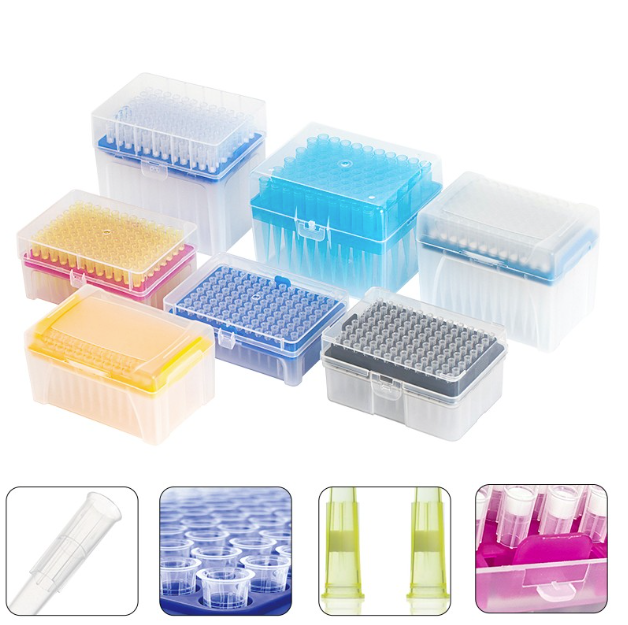
Universal pipette tips are made of Polypropylene (PP) and designed to suit for single and multichannel pipettes for transfering samll amounts of liquid in laboratory. And we supply DNAse/RNAse-free pipette tip, sterile pipette tip,non-sterile pipette tips, graduated pipette tips are suitable for most brands including Glison, Eppendorf, Thermo, BioHit and so on.
AI Product Description
*The following content is generated by AI and is for reference only.
High-precision pipette tips are essential consumables in modern laboratories, serving as the critical interface between liquid handling instruments and samples. These disposable accessories are designed to ensure accurate volume aspiration and dispensing across a wide range of scientific applications, including molecular biology, clinical diagnostics, and pharmaceutical research. Constructed from high-grade, transparent polypropylene, they offer excellent chemical resistance against common solvents, acids, and bases while maintaining structural integrity during repetitive use.
The primary function of these tips is to prevent cross-contamination between samples. By utilizing a fresh tip for every transfer, researchers eliminate the risk of carryover, which is vital for sensitive assays such as PCR, qPCR, and cell culture work. Many advanced models feature low-retention surfaces or hydrophobic coatings that minimize sample adhesion to the inner walls, ensuring maximum recovery rates and reducing waste of precious reagents. Additionally, ergonomic designs often include filtering mechanisms to protect the pipette piston from aerosols and vapors, thereby extending the lifespan of the expensive instrumentation and safeguarding operator safety.
When using these tips, several precautions must be observed to maintain data integrity. First, always verify compatibility with the specific pipette brand and model to ensure a secure seal; a poor fit can lead to air leaks and inaccurate volumes. Second, avoid touching the tip interior with gloved hands to prevent contamination from skin oils or microorganisms. Third, do not reuse single-use tips under any circumstances, as this compromises sterility and measurement precision. Finally, store tips in a clean, dust-free environment away from direct sunlight and extreme temperatures to preserve their material properties. Proper disposal according to local biohazard regulations is also mandatory when handling infectious materials. Adhering to these guidelines ensures reliable experimental results and maintains the highest standards of laboratory hygiene and efficiency.





 (All Rights Reserved)