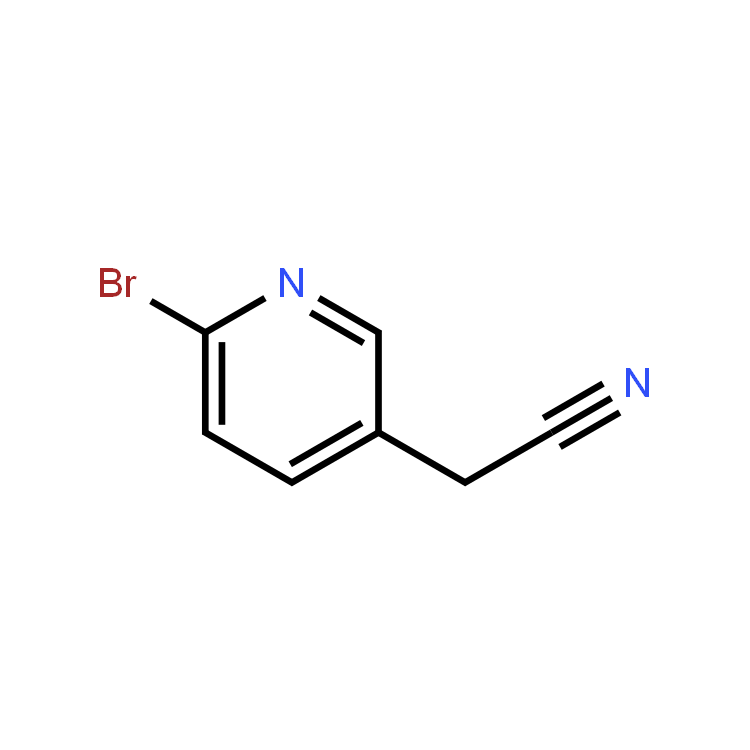
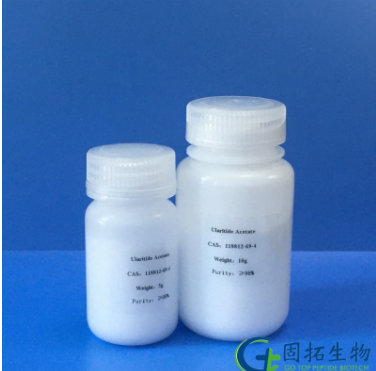
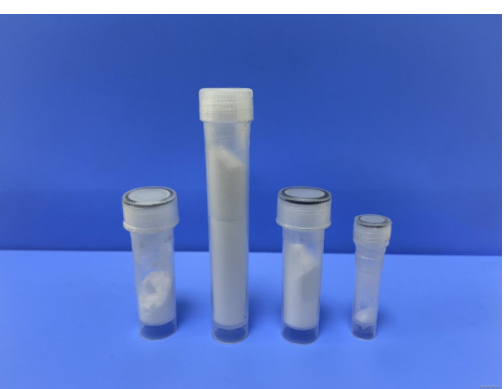
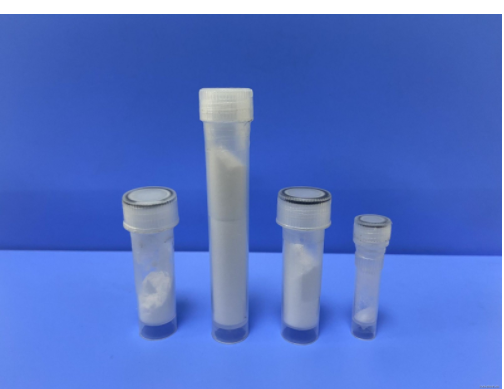
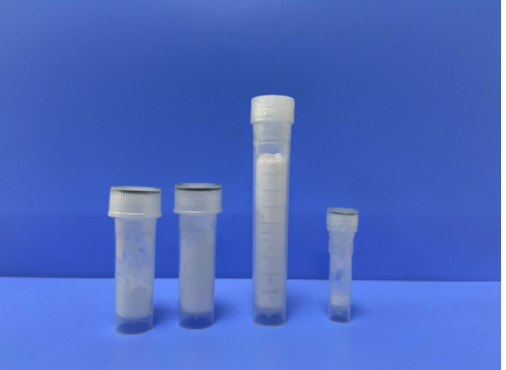
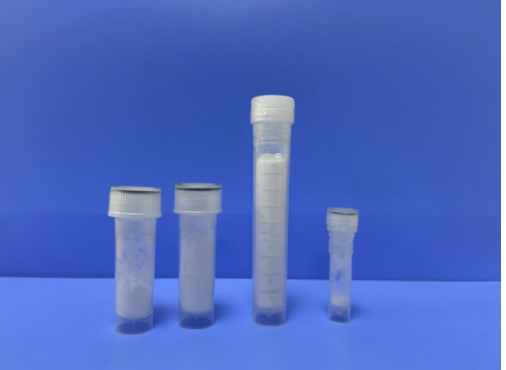
Appearance: White powder packaging and shipping: low temperature, vacuum packaging, according to the requirement to mg.
Storage: - 20 ℃ under freeze dry, avoid light preservation remark: used only for research, not for human body
*The following content is generated by AI and is for reference only.
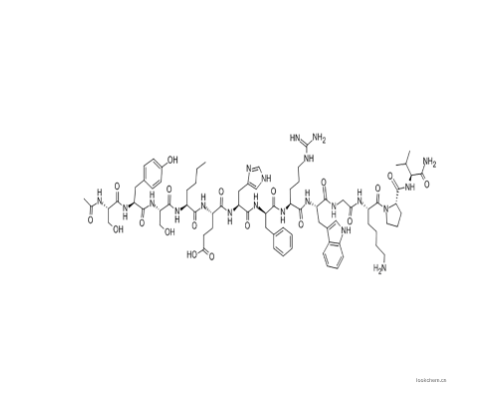
Ularitide, also known as human urodilatin, is a potent endogenous natriuretic peptide hormone primarily synthesized and secreted by the cardiac myocytes of the atria. Its molecular formula is C129H205N37O41S6, reflecting its complex structure as a 32-amino acid polypeptide chain with a distinctive intramolecular disulfide bond that stabilizes its biological activity. The substance is cataloged under CAS number 148342-54-3 in international chemical registries. Unlike other natriuretic peptides such as ANP or BNP, Ularitide is unique in its renal origin, acting locally within the kidney to regulate sodium and water excretion without significantly affecting systemic blood pressure at therapeutic doses.
The primary clinical application of Ularitide centers on the management of acute heart failure and the prevention of contrast-induced nephropathy. As a selective vasodilator, it acts specifically on renal vessels, causing dilation of the afferent arterioles while constricting efferent arterioles. This hemodynamic profile enhances glomerular filtration rate (GFR) and promotes significant natriuresis and diuresis, thereby reducing fluid overload and alleviating pulmonary congestion in patients with compromised cardiac function. Furthermore, its ability to inhibit the renin-angiotensin-aldosterone system and suppress sympathetic nervous system overactivity makes it a valuable adjunctive therapy in critical care settings where preserving renal perfusion is paramount.
Beyond acute interventions, research continues to explore its potential in treating chronic kidney disease and preventing organ damage during high-risk surgical procedures involving iodinated contrast media. By mitigating oxidative stress and inflammation within renal tissues, Ularitide offers a protective mechanism against ischemic injury. Its specificity for renal targets distinguishes it from traditional diuretics, offering a more targeted approach to managing volume status without the severe electrolyte disturbances often associated with loop diuretics. Consequently, Ularitide represents a significant advancement in cardiorenal medicine, bridging the gap between hemodynamic support and renal protection. While global availability varies by region, with widespread use in parts of Asia and Europe, ongoing studies aim to expand its indications and optimize dosing protocols for diverse patient populations suffering from complex cardiovascular and renal comorbidities.





 (All Rights Reserved)

![8,16-Diazadispiro[6.1.6.2]heptadecan-17-one](https://eimg.pharmasources.com/image/product/20250403/ca91cba8b87e53fc879f8d8764873a40jpg)
![6,8-Dioxo-5,7-diazaspiro[3.4]octane-2-carboxylic acid](https://eimg.pharmasources.com/image/product/20250403/02effeb5a7639bc84ff1f3add3c0c64fjpg)
![8-Oxa-1,3-diazaspiro[4.5]decane-2,4-dione](https://eimg.pharmasources.com/image/product/20250403/60fa7223d5a34f24138486ceea0ffb15jpg)