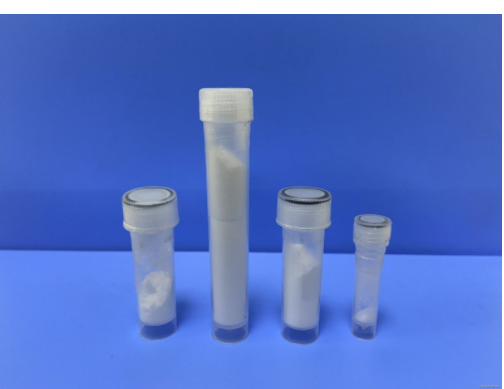
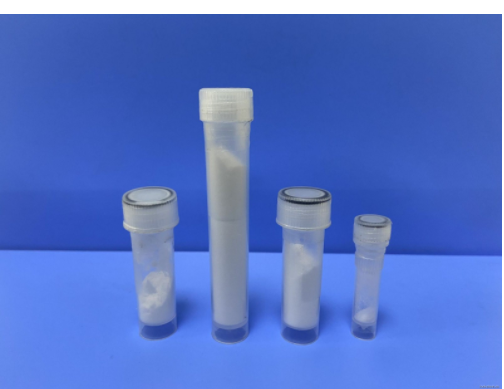
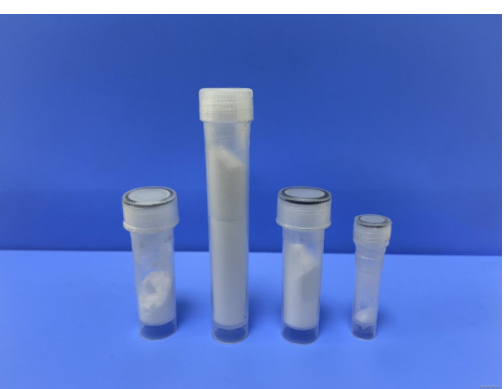
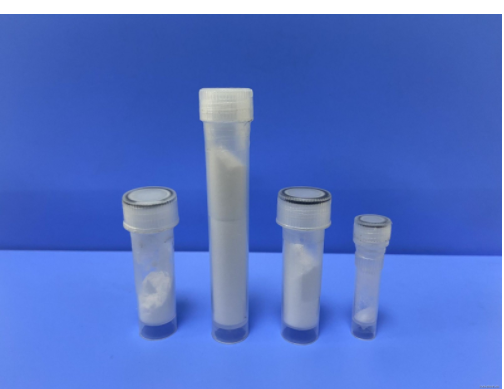
Product Description
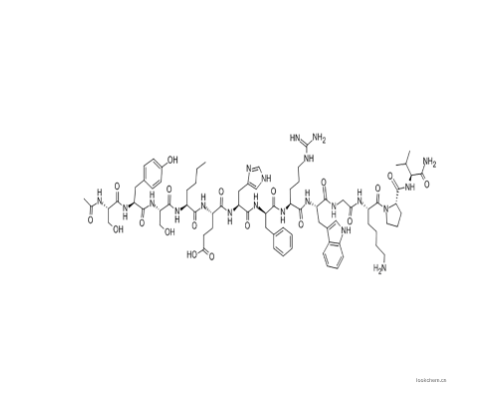
Type A Allatostatin IV is a neuropeptide obtained from insects. It is mainly produced in the head of insects and has the physiological effect of inhibiting hormone production. Especially when the insects are in the larval stage, Type A Allatostatin IV secretes particularly vigorously. The Type A Allatostatin IV sequence consists of 8 amino acids. The N-terminal of the sequence has two active functional groups, carboxyl and amino, and the C-terminal is a relatively stable amide bond.
AI Product Description
*The following content is generated by AI and is for reference only.
Type A Allatostatin IV is a bioactive neuropeptide belonging to the allatostatin family, specifically known as Allatostatin IV (AST-IV). This peptide plays a critical regulatory role in insect physiology, primarily acting as a potent inhibitor of juvenile hormone biosynthesis within the corpora allata. By suppressing this key developmental hormone, AST-IV effectively modulates metamorphosis, reproduction, and growth cycles in various insect species, making it a focal point for understanding neuroendocrine control mechanisms in arthropods.
The molecular structure of Type A Allatostatin IV is characterized by a specific amino acid sequence containing disulfide bridges that confer high stability and biological activity. While exact molecular formulas can vary slightly depending on the source organism and post-translational modifications, the core peptide typically consists of approximately 12 to 15 amino acids. Due to its synthetic nature in commercial research contexts, specific CAS numbers are often assigned to distinct synthetic variants rather than a single universal identifier found in natural extracts; however, researchers frequently utilize catalog numbers from major biochemical suppliers like Peptides International or Bachem for precise identification. The compound is generally supplied as a lyophilized powder to ensure long-term stability at low temperatures.
In scientific applications, Type A Allatostatin IV is indispensable for entomological research, particularly in studies aiming to develop novel, eco-friendly pest control strategies. Its ability to disrupt reproductive cycles without affecting non-target organisms offers a promising avenue for sustainable agriculture. Researchers employ this peptide in vitro to investigate receptor binding affinities and signal transduction pathways involved in hormonal regulation. Furthermore, it serves as a valuable tool for elucidating the complex interplay between the nervous system and endocrine glands in insects. By blocking juvenile hormone production, AST-IV prevents larvae from maturing into reproductive adults, potentially leading to population suppression in agricultural pests. Current investigations continue to explore its potential as a template for designing small-molecule mimics that could serve as next-generation insecticides with minimal environmental impact. As research advances, the detailed characterization of AST-IV remains vital for unlocking new therapeutic and agricultural innovations based on insect neurobiology.





 (All Rights Reserved)