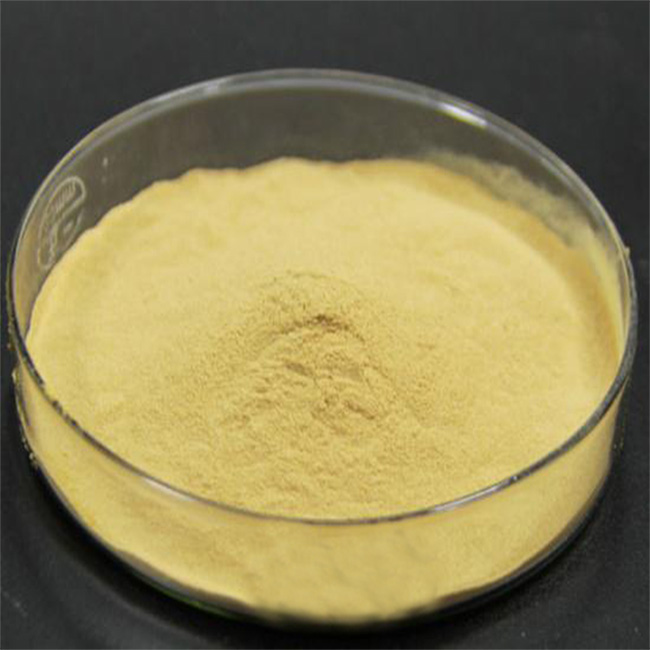
Tylosin Tartrate is a macrolide antibiotic derived from Streptomyces fradiae, primarily used in the veterinary pharmaceutical field. It plays a crucial role in the treatment and prevention of bacterial infections in a wide range of animals, including livestock such as cattle, pigs, and chickens, as well as in companion animals. Tylosin Tartrate is effective against gram-positive and some gram-negative bacteria, as well as certain mycoplasmas.
*The following content is generated by AI and is for reference only.
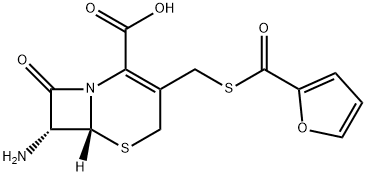
Tylosin Tartrate is a semi-synthetic macrolide antibiotic derived from Tylosin, produced by the fermentation of *Streptomyces fradiae*. Its chemical structure consists of tylosin A complexed with tartaric acid to enhance stability and solubility. The molecular formula for Tylosin Tartrate is typically represented as C46H75NO17·C4H6O6, reflecting the combination of the active macrolide base and the tartrate salt. It does not possess a single unique CAS number because it exists in various forms depending on the specific ratio of the base to the acid; however, common references often cite CAS numbers associated with Tylosin A (CAS 1401-69-0) or the specific tartrate salt formulations used in veterinary medicine.
This pharmaceutical agent is primarily utilized in the veterinary sector for the treatment and prevention of bacterial infections in livestock, poultry, and swine. As a bacteriostatic macrolide, Tylosin Tartrate functions by binding to the 50S subunit of bacterial ribosomes, thereby inhibiting protein synthesis and preventing bacterial growth. It is particularly effective against Gram-positive bacteria, including *Staphylococcus*, *Streptococcus*, and *Clostridium* species, as well as certain Mycoplasma strains responsible for respiratory diseases in pigs and chickens.
In practice, this compound is frequently administered via feed or water additives to control outbreaks of infectious bronchitis, mycoplasmal pneumonia, and necrotic enteritis. Its inclusion in animal feed helps maintain herd health, reduce mortality rates, and improve overall growth performance in commercial farming operations. While highly effective, its use is strictly regulated globally to prevent antibiotic resistance and ensure food safety, requiring adherence to withdrawal periods before animals are processed for human consumption. Veterinary professionals must carefully calculate dosages based on animal weight and infection severity to maximize therapeutic efficacy while minimizing potential side effects such as gastrointestinal disturbances. Tylosin Tartrate remains a cornerstone in modern veterinary therapeutics, offering a reliable solution for managing critical bacterial infections across diverse agricultural settings.







 (All Rights Reserved)