Product Description
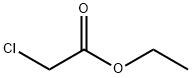
Ethyl chloroacetate can be used as a raw material for the preparation of insecticides such as imidacloprid and herbicide glyphosate, as well as for the synthesis of anti-tumor drugs such as 5-fluorouracil and spices.
AI Product Description
*The following content is generated by AI and is for reference only.
Ethyl chloroacetate, chemically known as ethyl 2-chloroacetate, is a versatile organic compound widely utilized in the pharmaceutical and agrochemical industries. Its molecular formula is C4H7ClO2, and it is uniquely identified by the CAS number 105-38-6. This colorless to pale yellow liquid possesses a characteristic fruity odor and serves as a critical intermediate in various synthetic pathways due to its reactive chloroacetyl group.
In industrial applications, Ethyl chloroacetate acts primarily as an alkylating agent. It is extensively employed in the synthesis of herbicides, particularly those belonging to the phenoxy acid class, which are essential for weed control in agriculture. Furthermore, this compound plays a pivotal role in the manufacturing of dyes, perfumes, and flavoring agents. In the pharmaceutical sector, it is a key precursor for producing local anesthetics, antihistamines, and various heterocyclic compounds used in drug development. The reactivity of the chlorine atom allows for easy substitution with nucleophiles, facilitating the creation of complex molecular structures required for high-value chemicals.
Safety considerations are paramount when handling this substance. Ethyl chloroacetate is flammable and can cause severe irritation to the skin, eyes, and respiratory tract upon contact or inhalation. It is also toxic if swallowed and may act as a potential carcinogen based on animal studies. Consequently, strict adherence to safety protocols, including the use of personal protective equipment and proper ventilation, is mandatory during storage and processing. Proper disposal methods must be followed to prevent environmental contamination. Despite these hazards, its unique chemical properties make it indispensable in modern chemical synthesis, bridging the gap between basic petrochemical feedstocks and specialized end-products. As global demand for advanced agricultural solutions and pharmaceuticals grows, the importance of Ethyl chloroacetate in the supply chain continues to expand, underscoring its status as a fundamental building block in the fine chemical industry.






 (All Rights Reserved)




![8,16-Diazadispiro[6.1.6.2]heptadecan-17-one](https://eimg.pharmasources.com/image/product/20250403/ca91cba8b87e53fc879f8d8764873a40jpg)
![8-Oxa-1,3-diazaspiro[4.5]decane-2,4-dione](https://eimg.pharmasources.com/image/product/20250403/60fa7223d5a34f24138486ceea0ffb15jpg)
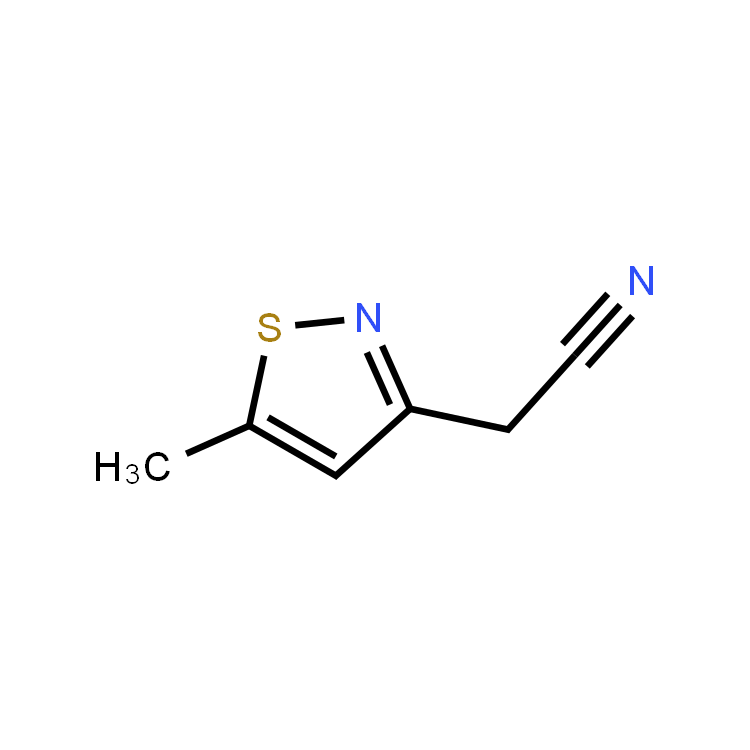
![6,8-Dioxo-5,7-diazaspiro[3.4]octane-2-carboxylic acid](https://eimg.pharmasources.com/image/product/20250403/02effeb5a7639bc84ff1f3add3c0c64fjpg)