In the pharmaceutical industry, it is used for the production of vitamin B1, vitamin A, sulfamethoxazole, pipemidine, and antibacterial agents, among which methyl formate accounts for the largest proportion of vitamin B1 consumption. Also used in the dye and spice industry. In terms of coatings, it is used as a dehydrating agent to prevent polyurethane or epoxy coatings from hardening due to hydration.
*The following content is generated by AI and is for reference only.
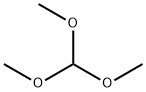
Trimethoxymethane, chemically known as methylal or dimethoxymethane, is a versatile organic compound with the molecular formula C3H8O3 and the CAS registry number 109-87-5. This colorless, volatile liquid possesses a distinct sweet ether-like odor and serves as a crucial intermediate in various industrial and laboratory applications. Structurally, it consists of a central methylene group bonded to two methoxy groups, rendering it highly reactive yet stable under standard storage conditions when properly handled.
The primary utility of trimethoxymethane lies in its role as a solvent and reagent within the chemical synthesis sector. It is widely employed as a high-purity solvent for polymers, resins, and coatings due to its excellent solvating power and rapid evaporation rate. In polymer chemistry, it acts as a chain transfer agent and a monomer precursor for producing specialized polyacetals and other advanced materials with unique thermal and mechanical properties. Furthermore, its ability to function as a mild dehydrating agent makes it valuable in organic synthesis reactions where water removal is critical for driving equilibrium toward product formation.
Beyond traditional manufacturing, trimethoxymethane finds significant application in the pharmaceutical industry as a protecting group for carbonyl compounds, facilitating complex multi-step syntheses of active pharmaceutical ingredients. Its low toxicity profile compared to many alternative solvents enhances its appeal for sensitive biological research and green chemistry initiatives. Additionally, it is utilized in the formulation of adhesives, inks, and cleaning agents where fast drying times are essential. The compound also serves as a fuel additive, improving combustion efficiency in internal combustion engines by reducing soot emissions. As environmental regulations tighten globally, the demand for such efficient, low-volatile organic compounds continues to grow, positioning trimethoxymethane as an indispensable component in modern chemical engineering and material science workflows.