Product Description
Pharmaceutical
Raw Materials and Intermediates
AI Product Description
*The following content is generated by AI and is for reference only.
Triisopropylsilyl acrylate (TIPS-acrylate) is a specialized organosilicon monomer widely utilized in advanced polymer chemistry and materials science. With the chemical formula C12H24O2Si, this compound features an acrylate functional group attached to a bulky triisopropylsilyl (TIPS) protecting group. Its primary identifier is CAS No. 13805-96-2. The molecule serves as a critical reagent for the synthesis of functional polymers with tunable properties, particularly those requiring orthogonal protection strategies or specific steric bulk.
The defining characteristic of TIPS-acrylate is the stability and lability of its silyl ether moiety. The triisopropylsilyl group provides excellent steric hindrance, which significantly enhances the thermal and hydrolytic stability of the resulting polymer backbone compared to less bulky silyl esters. However, this group remains sufficiently labile to be selectively removed under mild acidic conditions or fluoride ion catalysis, such as with tetrabutylammonium fluoride (TBAF). This unique "protect-and-deprotect" capability makes it indispensable in step-growth polymerization and controlled radical polymerization techniques, including RAFT and ATRP, where precise molecular weight control and end-group functionality are paramount.
In practical applications, TIPS-acrylate is extensively employed in the fabrication of photoresists for semiconductor lithography, where its solubility characteristics can be modulated upon deprotection. It also plays a vital role in creating stimuli-responsive hydrogels and bioconjugation scaffolds. By incorporating the TIPS group, researchers can introduce reversible cross-linking points or create temporary hydrophobic barriers that dissolve upon exposure to specific triggers. Furthermore, the resulting poly(triisopropylsilyl acrylate) exhibits distinct mechanical properties, often offering improved flexibility and adhesion compared to standard acrylic resins. Due to its volatility and sensitivity to moisture during storage, handling requires an inert atmosphere. As a versatile building block, Triisopropylsilyl acrylate continues to drive innovation in nanotechnology, drug delivery systems, and high-performance coating formulations, bridging the gap between simple organic synthesis and complex material engineering.




 (All Rights Reserved)
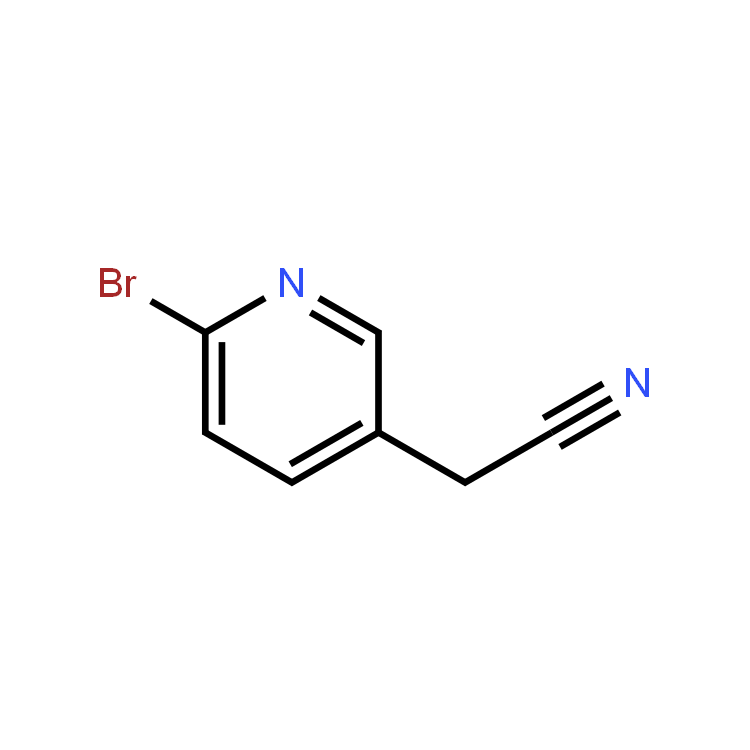
![6,8-Dioxo-5,7-diazaspiro[3.4]octane-2-carboxylic acid](https://eimg.pharmasources.com/image/product/20250403/02effeb5a7639bc84ff1f3add3c0c64fjpg)
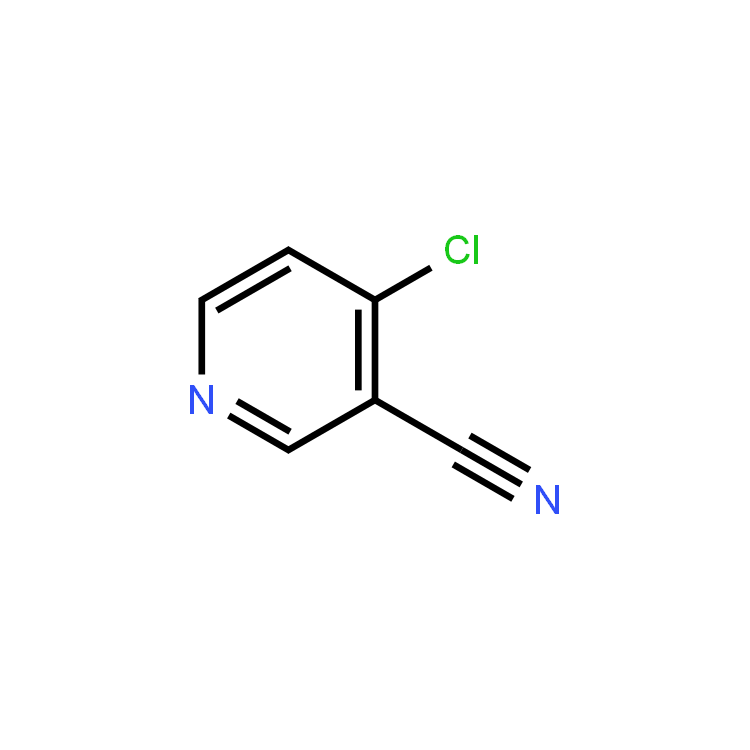
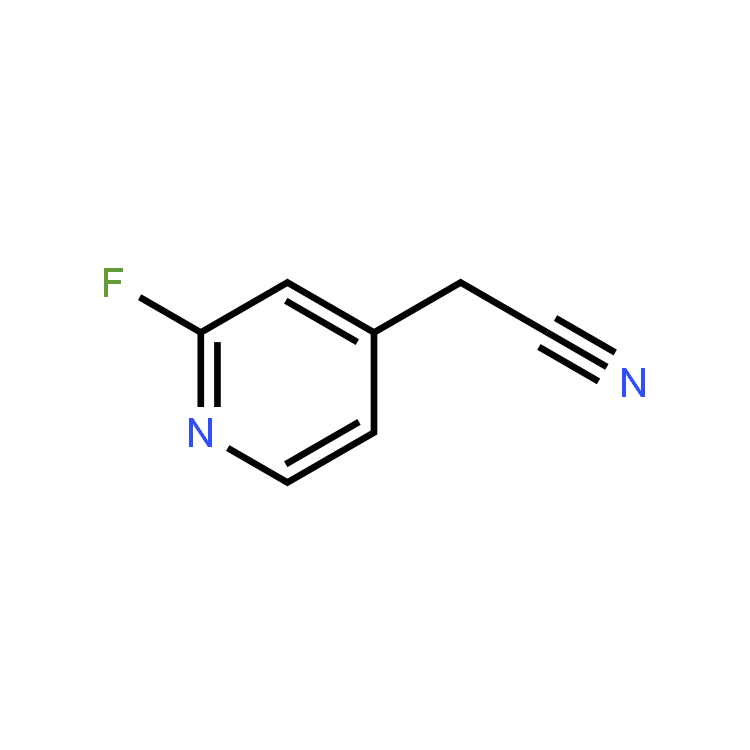
![8-Oxa-1,3-diazaspiro[4.5]decane-2,4-dione](https://eimg.pharmasources.com/image/product/20250403/60fa7223d5a34f24138486ceea0ffb15jpg)
![8,16-Diazadispiro[6.1.6.2]heptadecan-17-one](https://eimg.pharmasources.com/image/product/20250403/ca91cba8b87e53fc879f8d8764873a40jpg)
