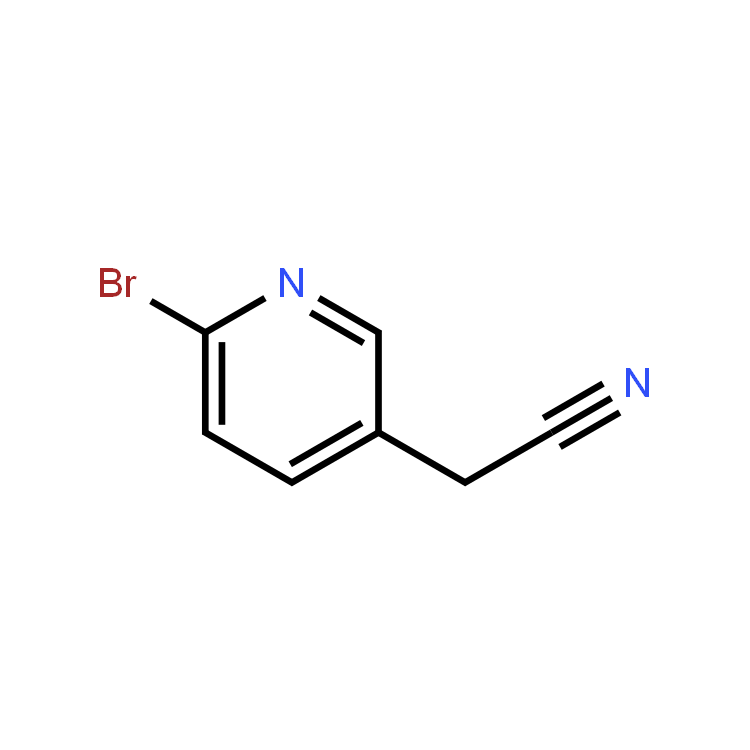
Product Description
Pharmaceutical
Raw Materials and Intermediates
AI Product Description
*The following content is generated by AI and is for reference only.
Triisopropylchlorosilane, chemically known as 1-chloro-2-propanol with three isopropyl groups attached to the silicon atom, is a specialized organosilicon compound widely utilized in advanced chemical synthesis and materials science. Its molecular formula is C9H21ClSi, and it is uniquely identified by the CAS Registry Number 638-49-7. This colorless liquid possesses distinct reactivity characteristics due to the presence of the highly reactive chlorosilyl group (-SiCl) bonded to bulky isopropyl substituents. These steric hindrances impart unique stability and solubility profiles compared to less substituted alkylsilanes, making it an invaluable reagent for precise functionalization reactions.
The primary application of Triisopropylchlorosilane lies in the semiconductor and microelectronics industries, where it serves as a critical precursor for depositing protective dielectric layers or modifying surface properties of silicon wafers. It is frequently employed in Chemical Vapor Deposition (CVD) processes to create hydrophobic coatings that prevent moisture absorption and enhance device reliability. Beyond electronics, this compound acts as a versatile silylating agent in organic synthesis, enabling the protection of alcohol and amine functionalities during multi-step reaction sequences. The resulting silyl ethers exhibit high stability against acidic and basic conditions, facilitating complex molecule construction in pharmaceutical research and fine chemical manufacturing.
Furthermore, Triisopropylchlorosilane finds utility in the production of specialized silicone polymers and elastomers. By controlling the cross-linking density and introducing specific steric bulk, manufacturers can tailor material properties such as flexibility, thermal resistance, and water repellency for high-performance applications ranging from aerospace sealants to medical-grade implants. Handling requires strict adherence to safety protocols, as the compound reacts vigorously with water and alcohols to release corrosive hydrogen chloride gas. Consequently, storage must be conducted under inert atmospheres like nitrogen or argon in dry, sealed containers. Overall, its unique combination of reactivity and steric profile ensures its continued importance as a foundational building block in modern industrial chemistry and nanotechnology development.




 (All Rights Reserved)
![8,16-Diazadispiro[6.1.6.2]heptadecan-17-one](https://eimg.pharmasources.com/image/product/20250403/ca91cba8b87e53fc879f8d8764873a40jpg)
![8-Oxa-1,3-diazaspiro[4.5]decane-2,4-dione](https://eimg.pharmasources.com/image/product/20250403/60fa7223d5a34f24138486ceea0ffb15jpg)
![6,8-Dioxo-5,7-diazaspiro[3.4]octane-2-carboxylic acid](https://eimg.pharmasources.com/image/product/20250403/02effeb5a7639bc84ff1f3add3c0c64fjpg)