Product Description
Pharmaceutical
Raw Materials and Intermediates
AI Product Description
*The following content is generated by AI and is for reference only.
Trifluoromethanesulfonyl chloride, commonly abbreviated as TfCl or triflic anhydride precursor, is a highly reactive and versatile organofluorine reagent widely utilized in modern organic synthesis. With the molecular formula CHF3O2S and a CAS registry number of 406-18-2, this colorless to pale yellow liquid possesses a distinct, pungent odor. Its chemical structure features a sulfonyl group attached to a trifluoromethyl moiety, endowing it with exceptional electrophilic character due to the strong electron-withdrawing nature of the three fluorine atoms. This unique electronic environment makes TfCl an indispensable tool for introducing the triflyl (trifluoromethanesulfonyl) group into various organic substrates.
The primary application of trifluoromethanesulfonyl chloride lies in the preparation of triflates, which are superb leaving groups in palladium-catalyzed cross-coupling reactions such as Suzuki-Miyaura, Stille, and Heck couplings. These triflate derivatives allow chemists to construct complex carbon-carbon bonds with high efficiency and regioselectivity, facilitating the synthesis of pharmaceuticals, agrochemicals, and advanced materials. Furthermore, TfCl serves as a critical reagent for converting alcohols, phenols, and amines into their corresponding trifluoromethanesulfonates or sulfonamides. In these transformations, the resulting triflyl groups significantly enhance the acidity of adjacent protons and improve the stability of intermediates.
Due to its extreme reactivity with water and moisture-sensitive nucleophiles, handling TfCl requires strict adherence to anhydrous conditions, typically employing inert atmospheres like nitrogen or argon. The compound is corrosive and can cause severe burns upon contact with skin or eyes, necessitating appropriate personal protective equipment during laboratory operations. Beyond synthetic chemistry, it plays a pivotal role in the development of ionic liquids and specialized electrolytes for next-generation batteries. As a cornerstone reagent in fluorine chemistry, Trifluoromethanesulfonyl chloride continues to drive innovation across multiple scientific disciplines, enabling the creation of molecules with tailored electronic and physical properties that were previously unattainable. Its versatility ensures its continued prominence in both academic research and industrial manufacturing processes worldwide.





 (All Rights Reserved)
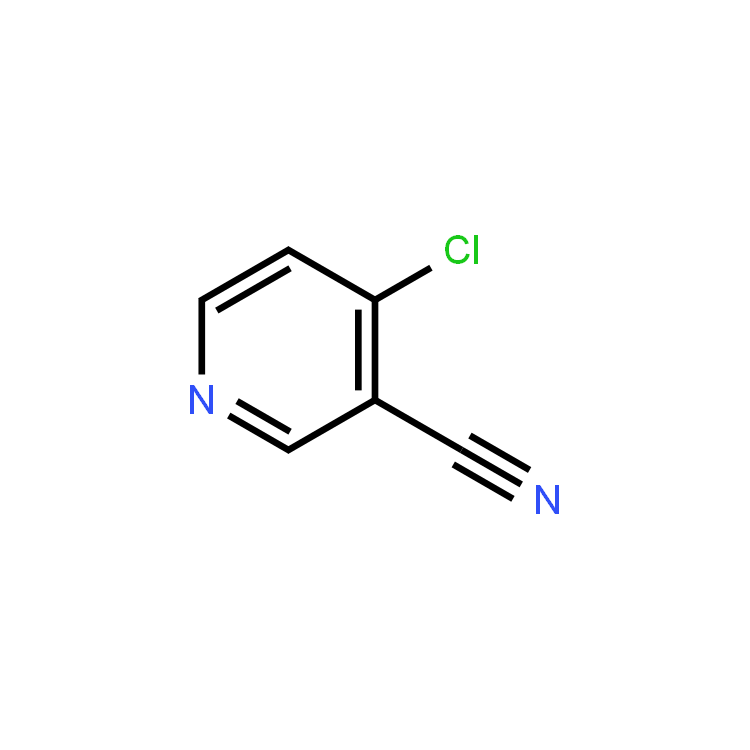
![8,16-Diazadispiro[6.1.6.2]heptadecan-17-one](https://eimg.pharmasources.com/image/product/20250403/ca91cba8b87e53fc879f8d8764873a40jpg)
![8-Oxa-1,3-diazaspiro[4.5]decane-2,4-dione](https://eimg.pharmasources.com/image/product/20250403/60fa7223d5a34f24138486ceea0ffb15jpg)
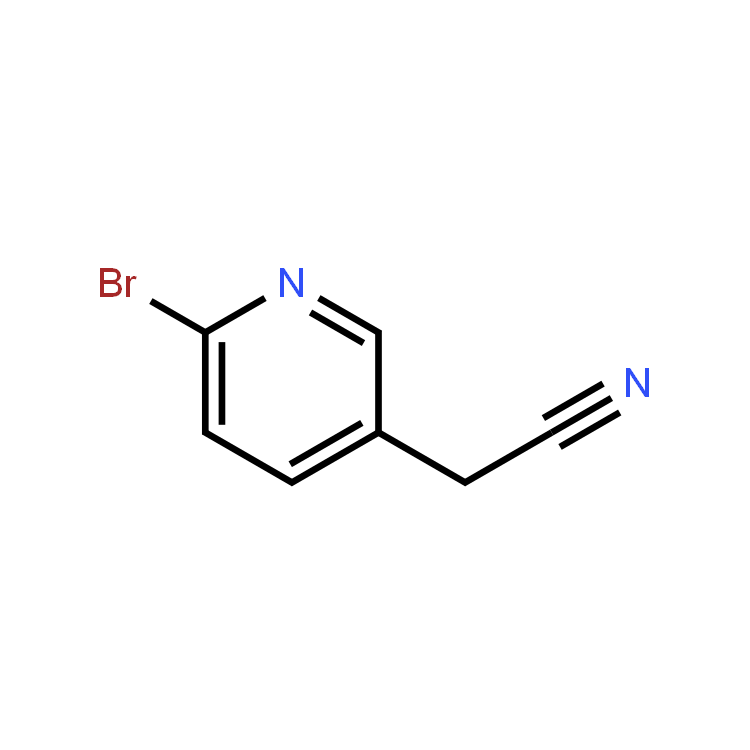
![6,8-Dioxo-5,7-diazaspiro[3.4]octane-2-carboxylic acid](https://eimg.pharmasources.com/image/product/20250403/02effeb5a7639bc84ff1f3add3c0c64fjpg)
