Product Description
Pharmaceutical
Raw Materials and Intermediates
AI Product Description
*The following content is generated by AI and is for reference only.
Trifluoroacetic anhydride (TFAA), identified by CAS number 407-25-0, is a highly reactive and versatile chemical reagent widely utilized in organic synthesis and industrial applications. Its molecular formula is C4F6O3, reflecting its structure as the symmetric anhydride of trifluoroacetic acid. This colorless to pale yellow liquid possesses a sharp, pungent odor and is characterized by its strong electrophilic nature due to the electron-withdrawing effect of the three fluorine atoms attached to the acetyl groups.
The primary utility of TFAA lies in its ability to act as a potent acylating agent. It is extensively employed to introduce trifluoroacetyl groups into various substrates, including alcohols, amines, and phenols, facilitating the protection of functional groups during complex synthetic sequences. In peptide chemistry, it serves as a crucial deprotecting agent and coupling reagent, aiding in the efficient formation of amide bonds while minimizing side reactions. Furthermore, TFAA is indispensable in the preparation of trifluoroacetate esters and salts, which are valuable intermediates in pharmaceutical manufacturing and agrochemical production.
Beyond acylation, this reagent plays a significant role in the synthesis of heterocyclic compounds and fluorinated polymers. Its high reactivity allows for mild reaction conditions, often proceeding at room temperature or with slight heating, which enhances selectivity and yield in sensitive transformations. Additionally, TFAA is used to convert carboxylic acids into their corresponding acid chlorides under specific conditions, streamlining downstream processes. Due to its moisture sensitivity, handling requires strict anhydrous conditions to prevent hydrolysis into trifluoroacetic acid. Safety protocols are essential, as TFAA is corrosive and can cause severe burns upon contact with skin or eyes. Despite these hazards, its unique chemical properties make it an irreplaceable tool in modern organic chemistry, driving advancements in drug discovery, materials science, and fine chemical production globally. Researchers continue to leverage TFAA for developing novel fluorinated compounds that exhibit enhanced metabolic stability and bioavailability.





 (All Rights Reserved)
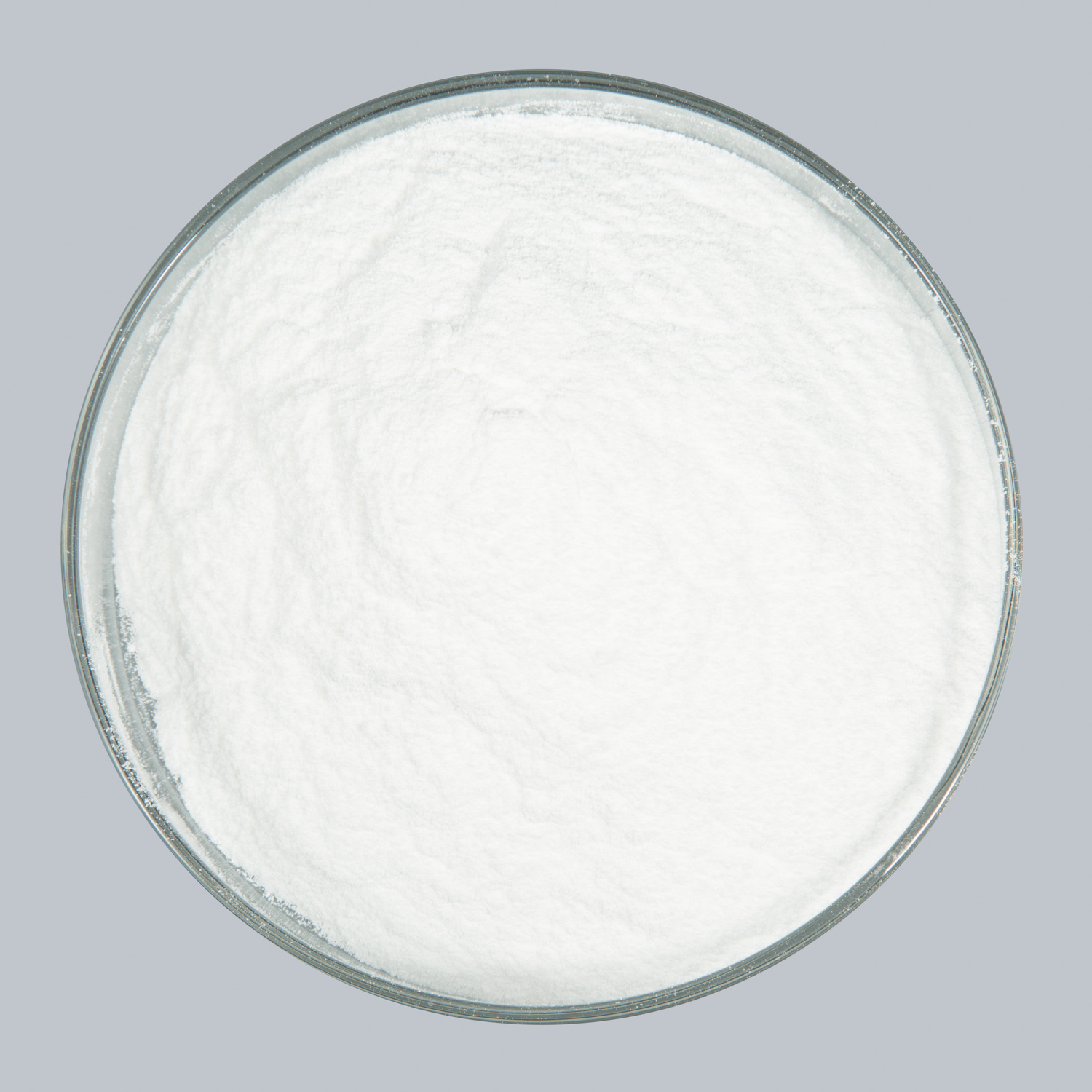
![8,16-Diazadispiro[6.1.6.2]heptadecan-17-one](https://eimg.pharmasources.com/image/product/20250403/ca91cba8b87e53fc879f8d8764873a40jpg)
![6,8-Dioxo-5,7-diazaspiro[3.4]octane-2-carboxylic acid](https://eimg.pharmasources.com/image/product/20250403/02effeb5a7639bc84ff1f3add3c0c64fjpg)
![8-Oxa-1,3-diazaspiro[4.5]decane-2,4-dione](https://eimg.pharmasources.com/image/product/20250403/60fa7223d5a34f24138486ceea0ffb15jpg)